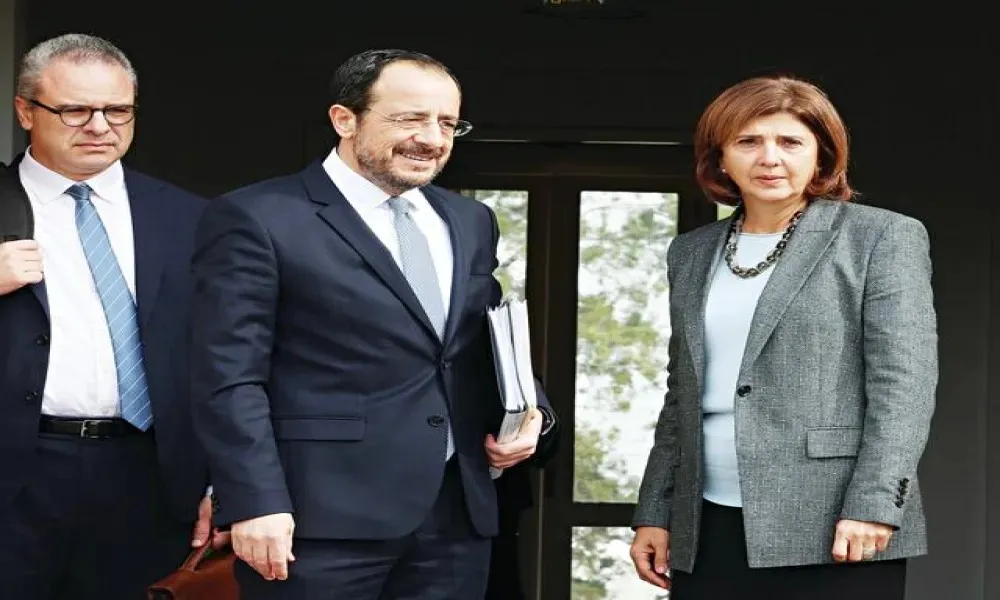
Statements by the two leaders – President Nikos Christodoulides and Turkish Cypriot leader Tufan Erhürman – suggest there is at least a willingness to explore new avenues for dialogue.
That said, expectations must remain measured. The extent of the differences and the positions of the two sides will become clearer in the coming days, regardless of the format the discussions take. A broad and objective assessment is that continued deadlock is not an option. Time entrenches a bleak reality on the ground – namely division – while further distancing the prospect of a mutually acceptable settlement.
The importance of the current moment lies primarily in the fact that the UN Secretary-General continues to invest political capital in efforts to restart negotiations. At the same time, discussions on confidence-building measures and positive signals on individual issues could help create a more constructive climate between the two communities.
The President of the Republic has for some time been referring to a serious round of talks aimed at bringing the sides closer across a range of issues.
For his part, Tufan Erhürman recently spoke of a possible ‘hot summer’ on the Cyprus issue. This should not be interpreted as a sign of imminent breakthroughs, but rather as an indication that increased diplomatic activity is expected. The crucial point, however, is not activity alone but whether it can be translated into meaningful progress.
Cyprus needs a new dynamic, grounded in realism, consistency and political will. If the leaders of the two communities make use of the opportunity now taking shape, the coming period could mark the beginning of more serious and productive negotiations. If not, the stalemate will continue to weigh heavily on the country’s future.