
Ahead of the webinar “Six Facts. One Future: The Eastern Mediterranean”, Part I: Water: When systems fail, people move, Professor Fadi Comair of the University of Balamand and The Cyprus Institute shares with Politis to the Point his insights about water scarcity, regional cooperation, and resilience across the Eastern Mediterranean.
Organised by the Mediterranean Growth Initiative (MGI), the Friedrich-Ebert-Stiftung Cyprus Office and the PRIO Cyprus Centre, with Politis to the Point as media partner, the first webinar will examine how water is no longer just an environmental concern but a key driver of instability, competition, conflict, and migration across the region.
Professor Comair highlights the strategic choices facing policymakers and how water resilience can be transformed into a priority for the Eastern Mediterranean. The webinar will take place on Wednesday, 11 February 2026, from 4 to 5 pm (Nicosia time) / 3 to 4 pm (Berlin time).
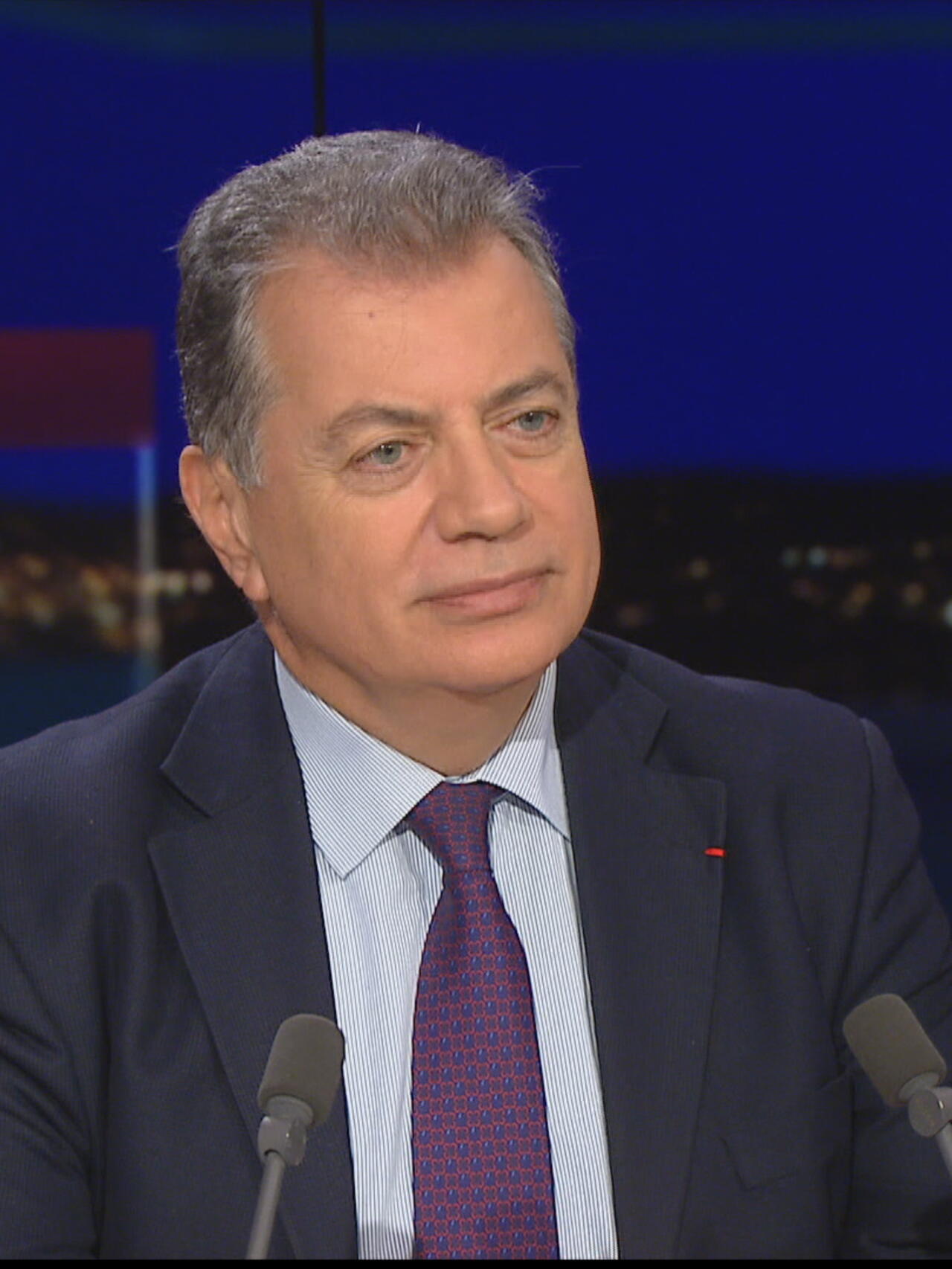
Professor Fadi Comair notes that the Eastern Mediterranean is
among the most water-stressed regions globally.
Why the Eastern Mediterranean matters
What makes the Eastern Mediterranean so strategically important today?
“The region has shifted from a geopolitical periphery to a strategic core,” says Comair. “It is central to European energy diversification, global trade connectivity, and climate risk transmission. Yet despite this, only around 12 per cent of trade occurs within the region itself, reflecting deep structural fragmentation.”
He adds that the region’s resilience will not be determined by geography alone. “Potential is not enough. Integration is the missing link between what the Eastern Mediterranean could achieve and what it actually delivers particularly as climate change accelerates faster here than the global average.”
Energy Systems: Assets without Security
Comair highlights the asymmetry of energy systems in the region. “Some countries import nearly all of their energy, while others depend heavily on fossil fuel exports. Both are highly vulnerable to price volatility and geopolitical shocks.”
So how should energy security be approached?
“Security cannot simply be about supply volumes. We need diversification, interconnection, and investment in clean energy. Electricity interconnectors and regional energy markets are tangible solutions but only if governance frameworks are aligned. This matters because water utilities are frequently the single largest consumer of electricity in cities across the region, making water security inseparable from energy policy.”
Water Scarcity: A Binding Constraint
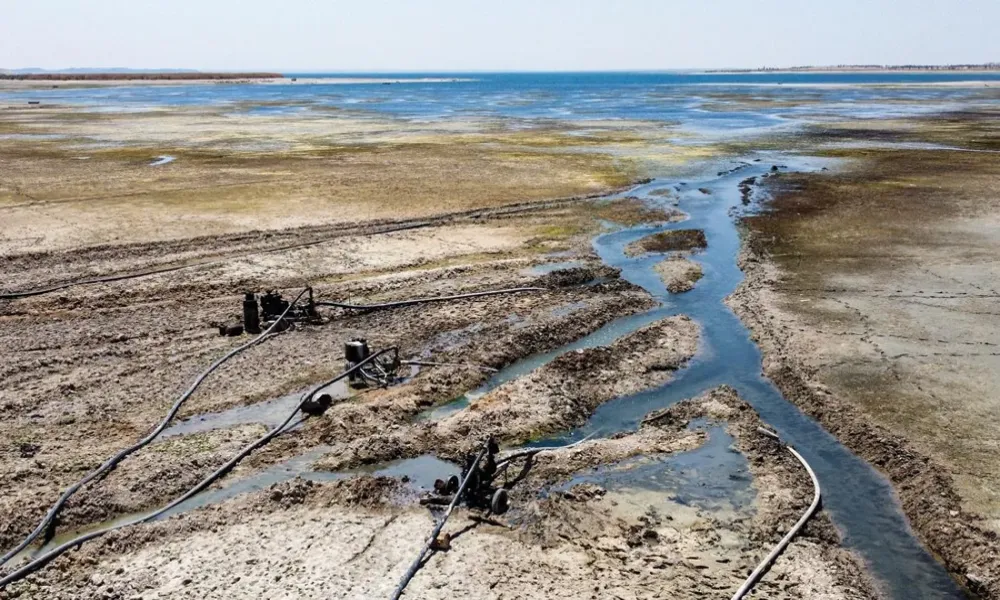
Water scarcity is at the heart of the region’s challenges. Comair notes that the Eastern Mediterranean is among the most water-stressed regions globally.
“Most countries are withdrawing over 80 per cent of their available freshwater, placing them in the category of extreme water stress. Once withdrawals exceed this level, the system has virtually no buffer left. Without water security, energy systems, food production, ecosystems, and social stability are all at risk.”
He warns that warming trends are compounding this pressure. “The Mediterranean is warming around 20 per cent faster than the global average, with regional temperatures projected to rise 1.5 to 2°C for every 1°C increase globally. This accelerated warming is rapidly drying freshwater resources and increasing the frequency of droughts.”
Is desalination a solution?
“Yes, in countries like Cyprus, the Gulf counties, Israel and Egypt in the near future, desalination is essential. But it is energy-intensive, costly, and has environmental impacts. That is why we emphasize the Water–Energy–Food–Ecosystems (WEFE) Nexus. You cannot manage one system without considering the others.”
The WEFE Nexus and Hydrodiplomacy
Comair is a strong advocate for a holistic approach to resource management.
“The WEFE Nexus helps policymakers understand how deeply interconnected these systems are. Decisions in one sector inevitably affect the others. By managing trade-offs and synergies, we can move beyond sectoral silos and build more resilient and sustainable solutions.”
He notes that water scarcity is already acting as a drag on economic growth. “Simulations show that a 20 per cent increase in water scarcity can reduce GDP by 5 to 10 per cent if no policy action is taken. In some countries, climate-driven water scarcity alone could reduce economic growth by more than 6 per cent. These are large impacts yet water is still rarely considered in economic assessments.”
Shared water basins, such as the Jordan and Orontes rivers, provide both risks and opportunities. “Nearly 60 per cent of global freshwater flows through international river basins, supporting around 40 per cent of the world’s population. In the Eastern Mediterranean, increased variability in rainfall, more frequent floods and droughts, and outdated agreements are intensifying pressure on shared waters.”
“Through science-based hydrodiplomacy, we can replace zero-sum rivalries with technical cooperation, shared data, and confidence-building measures. The Nexus approach allows countries to coordinate water, energy, and food policies in a way that benefits both people and ecosystems.”
Human Capital, Inclusion
How do social factors influence resilience?
“Resilience is not just infrastructure, it is human,” says Professor Comair. “Youth unemployment averages around 20 per cent, and female labour-force participation remains below 40 per cent in many countries. These gaps directly undermine food security, water management capacity, and agricultural adaptation.”
He stresses that inclusion is an economic imperative. “Estimates suggest that closing gender employment gaps alone could increase GDP per capita by up to 50 per cent in some countries. Inclusion is not a social add-on; it is a core resilience strategy.”
Science and Capacity Building
Comair points to initiatives such as the ECOMED Academy and the Mediterranean WEFE Nexus Community of Practice.
“Science provides a common language. Shared expertise in hydrology, climate modelling, and risk management builds trust and bridges political divides. This is especially important as population growth and climate change push more countries below absolute water scarcity thresholds.”
What is the role of regional collaboration?
“It is essential. Joint regional efforts to address water scarcity are among the most promising avenues to adapt to climate change, reap economic gains, and advance regional cooperation. This is not only about funding it is about integrated governance and collaborative decision-making.”
Turning Vulnerability into Resilience
What is the main takeaway for the Eastern Mediterranean?
“The region concentrates both risks and solutions. Water scarcity cascades into agriculture, ecosystems, energy systems, and economic performance. Efficiency gains alone are not enough without regulation, proper water accounting, and complementary policies beyond the water sector.”
“Resilience will depend on integrated governance, regional cooperation, and investment in people and systems. By embracing the WEFE Nexus and coordinating action, the Eastern Mediterranean can become a model of sustainable and inclusive resilience.”
Professor Comair concludes with a note of optimism. “Peace and prosperity will be built not on isolated assets but on the equitable and cooperative management of natural and human resources. That future is within reach if the region chooses foresight over short-termism.”