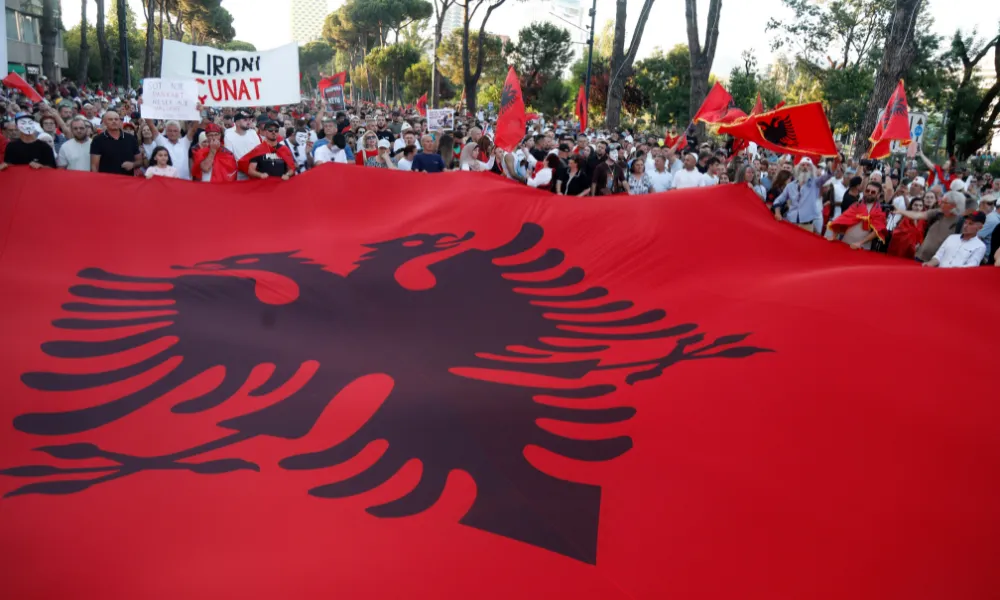

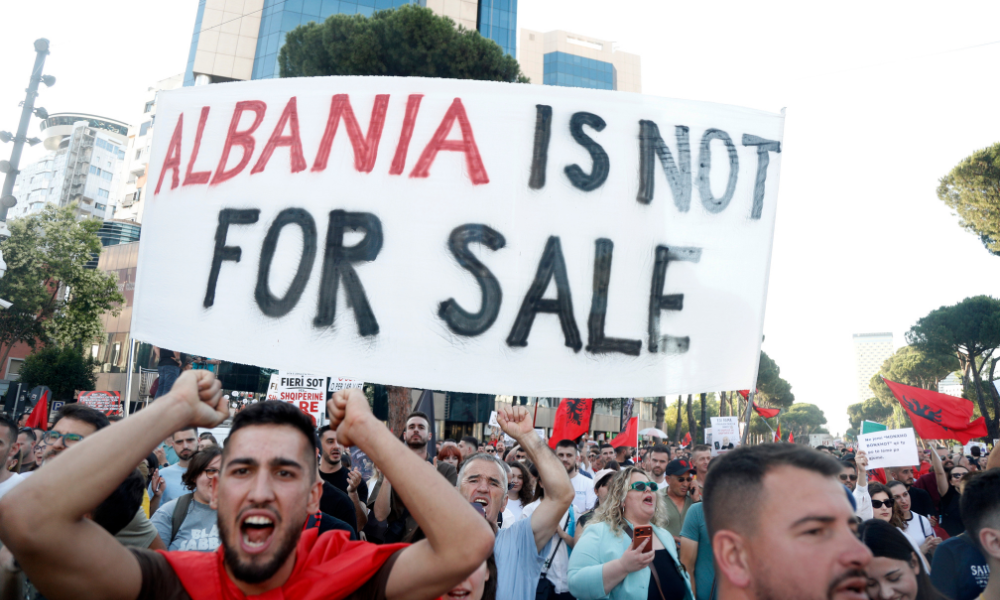
For the first time in his almost 13 years as Prime Minister, Edi Rama is under serious pressure. Thousands of Albanians take to the streets daily demanding his resignation. They accuse him and his government of nepotism and corruption. The protesters believe the Albanian government long ago stopped taking decisions in the interest of its citizens. Mass marches take place every day on the avenue in front of the Albanian Prime Minister's official residence, with the slogan: "Rama, resign". The avenue carries powerful symbolism. During the dictatorship, people were killed by the Albanian regime on these same streets.
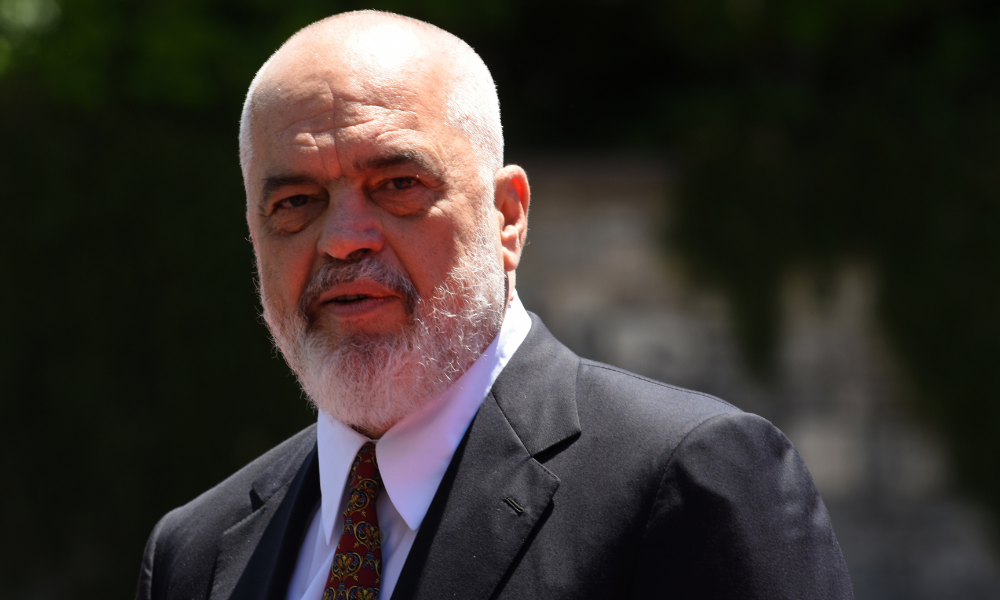
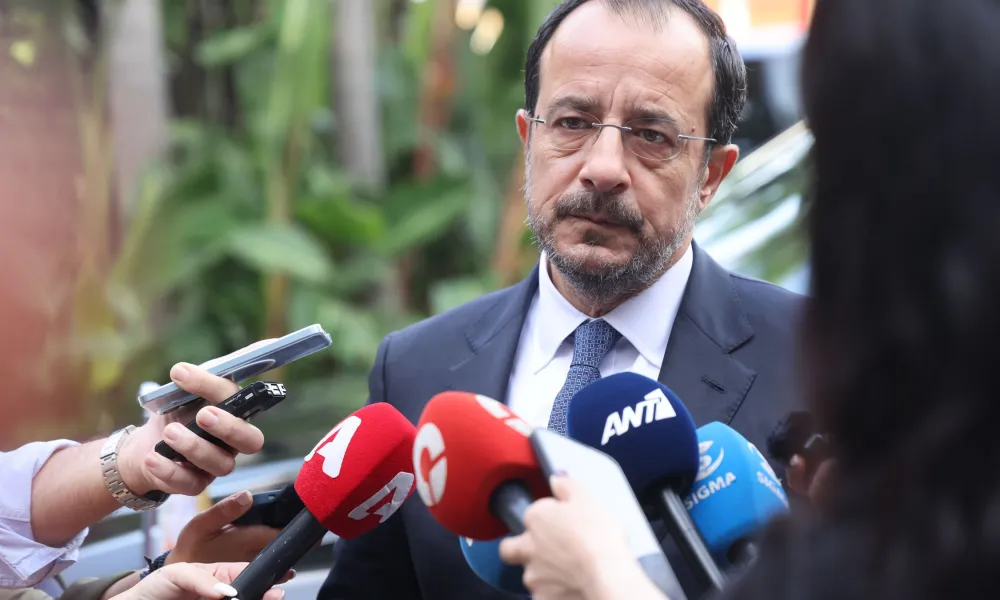
In an interview with DW, on the sidelines of the recent r26 Entrepreneurship and Innovation Conference in Bochum, Rama stated explicitly: "There is no loss of trust in Albania." The demonstrations "are not a problem for Albania" but "a wonderful example of freedom and democracy in action".
"I am fighting to bring investment"
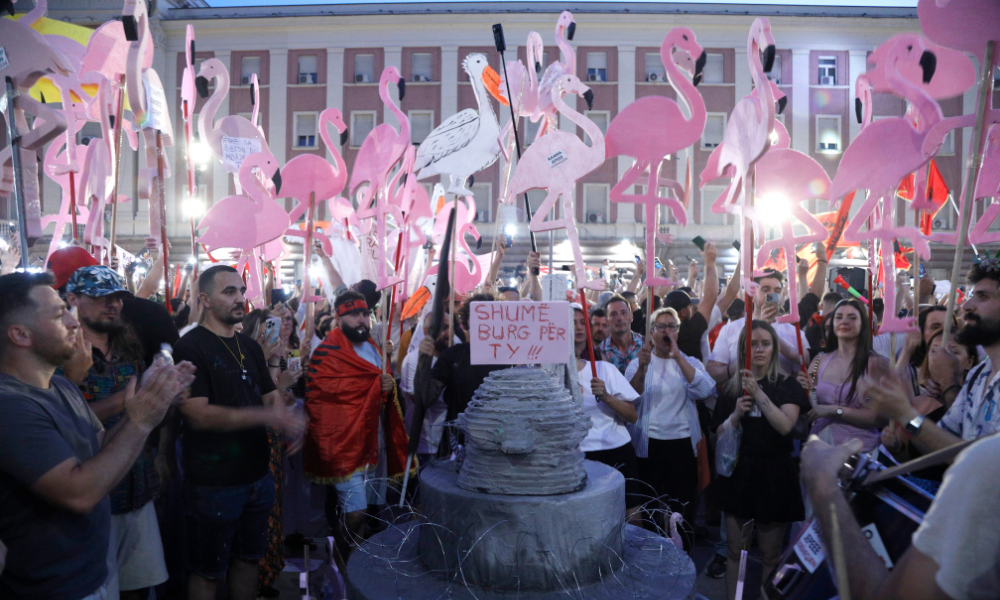
The trigger for the recent protests was the planned construction of luxury residences by the Trump-Kushner family in the Vjosa-Narta area. This largely protected stretch of the Adriatic coast is a resting place for millions of migratory birds and hosts rare birds and mammals, such as seals and flamingos. Hence the "Flamingo Revolution", as the recent marches have been dubbed.
Yet the fact that the "Albanian Riviera" remains untouched is precisely what makes it attractive to foreign investors. More than four billion euros of foreign investment is set to flow into the region, beyond the Trump investments. "I am fighting to bring projects that benefit not only Albania but also Europe," Rama tells DW. The construction of the contentious resort was first made public in 2024. Even then it met with criticism, especially from environmentalists.
The protesters accuse Rama of placing the interests of foreign investors above those of his compatriots, proceeding with reckless privatisations of public land. Rama rejects the accusation to DW: "Public spaces are not being privatised. It is that simple, it is not happening. It is a lie."
Visibly irritated, he says he does not need to give "any guarantee that public spaces will not be privatised", because even the question is wrongly framed. "There is nothing to show that any such thing is planned." It should be noted that a central slogan of the marches is: "Shqipëria nuk është në shitje!", that is, "Albania is not for sale". In recent years, tourism has become a significant pillar of the Albanian economy.
According to international bodies, tourism represents roughly a quarter of Albania's GDP. In his interview, Rama stresses how important construction projects have been during his almost 13 years as Prime Minister for the further development of tourism: "The transformation of public spaces and urban areas has been part of my tenure (as mayor of Tirana, as Minister of Culture and as Prime Minister). And if Albania receives twelve million tourists today, it is thanks to these efforts."
The Trump investment
The numerous construction projects became possible only through an amendment to the law on protected areas, in February 2024. Through this legislative reform, "strategic investments" and the construction of luxury hotels are now possible in previously inaccessible areas.
Environmentalists criticise the government for creating a lever with which it can bypass the preservation of natural beauty at will. In the EU's progress report on Albania, the Commission warns that the law has led to a "deterioration in the protection of natural wealth". Rama sees it differently: "Yes, we have made changes to the law. But we have not changed the core of the law, and the changes do not violate European standards and criteria," he says.
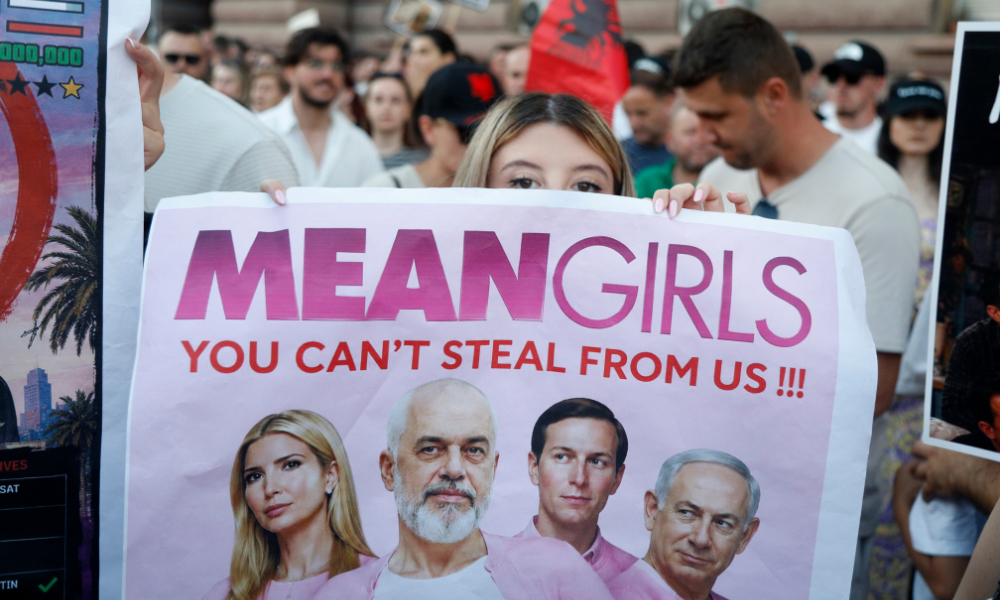
Rama believes that much of the criticism from abroad over the interventions in the natural environment has less to do with Albania and more to do with a specific name: Trump. The fact that the US President's son-in-law wants to invest in Albania appears to bother many abroad. "Albania has become a stage for all kinds of anti-Trump forces to gather and express their views," Rama says. Nevertheless, he says he cares about the ordinary citizens demonstrating: "They have something to tell us and we have a duty to listen to them."
Young people reject the Rama political code
Jonila Godole, a researcher in political communication and collective memory at the University of Tirana, argues that Rama's interpretation of the protests reflects a familiar communication strategy: shifting the focus from the protesters' demands to the supposed forces hiding behind them. "When a citizens' protest is presented as Iranian, anti-Israeli or directed by Trump's opponents, attention is drawn away from what the protesters are asking for. The discussion shifts, instead, to the supposed creators of the protest, to an external enemy," the expert told DW.
She also sees echoes of Albania's communist past in Rama's rhetoric. During the country's communist period, political dissent was systematically presented as the work of hostile foreign powers. The expert argues that the language of external enemies keeps resurfacing whenever those in power face prolonged domestic pressure. "Fear was the political capital of the communist regime," she explains. "It kept society under control and concentrated power around the leader. Today this language no longer works in the same way. Young people no longer recognise this political code; they reject it."
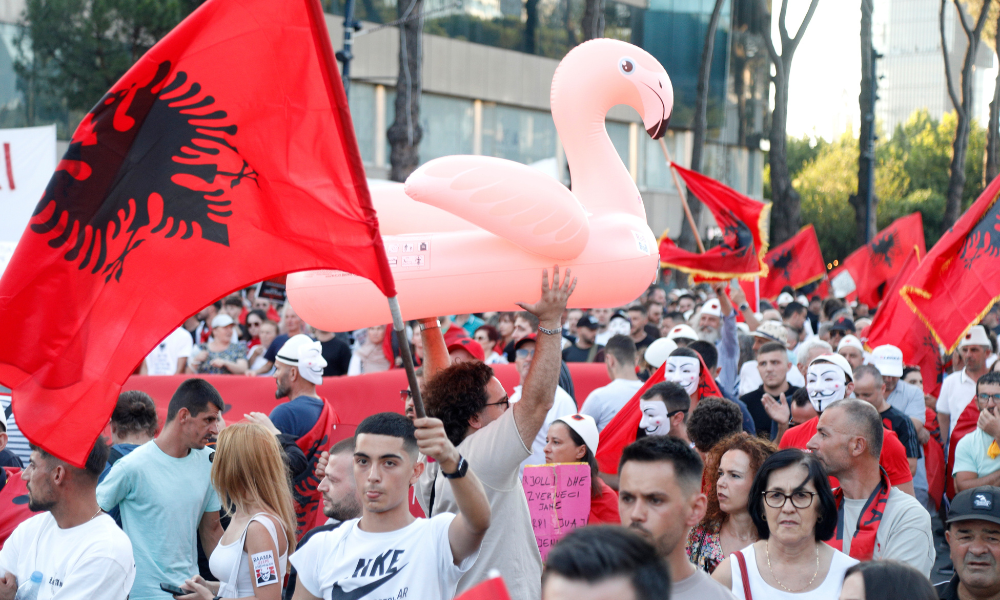
Political scientist Blendi Kajsiu takes a similar view, arguing that what unites the protesters is not a shared ideology but a shared rejection of Albania's political model. "We are witnessing a deep crisis of the democratic model in the country. What unites these protesters is no longer ideology, but the conviction that the country's political system no longer represents them," he explains to DW.
The EU takes notice
Developments in Albania also concern the EU. In its most recent progress resolution on Albania, the European Parliament expressed "serious concern" over developments in the protected Vjosa-Narta area and called for a halt to the issuing of new building permits in protected areas. The resolution further points out that environmental protection and the rule of law remain part of Albania's commitments for EU accession.
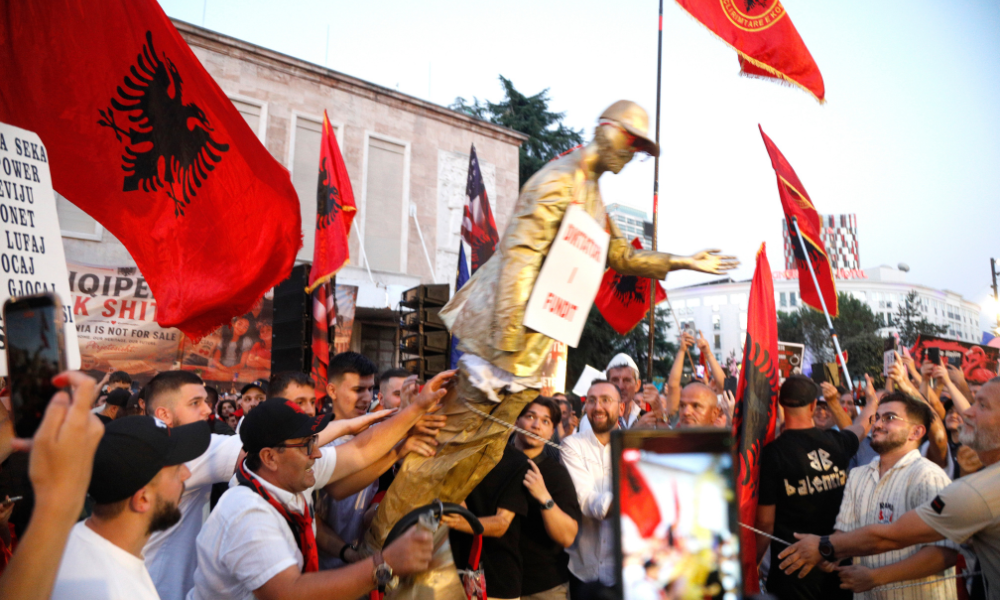
Godole believes the European Parliament's resolution shows that European institutions have recognised the dimensions of the dispute regarding both the environment and the rule of law. However, she stresses that presenting the demonstrations in the language of hybrid threats and foreign interference risks shifting international attention away from the protesters' democratic demands and towards questions of security and stability.
"For years Europe was calling for a stronger civil society to strengthen democracy," she says. "Today Albania has a strong civil society, mobilised on an unprecedented scale, yet there has been minimal international reaction in support of this mobilisation. The question is whether civil society is welcome only when it is weak, and not when it establishes itself as a genuine political actor."
Source: DW