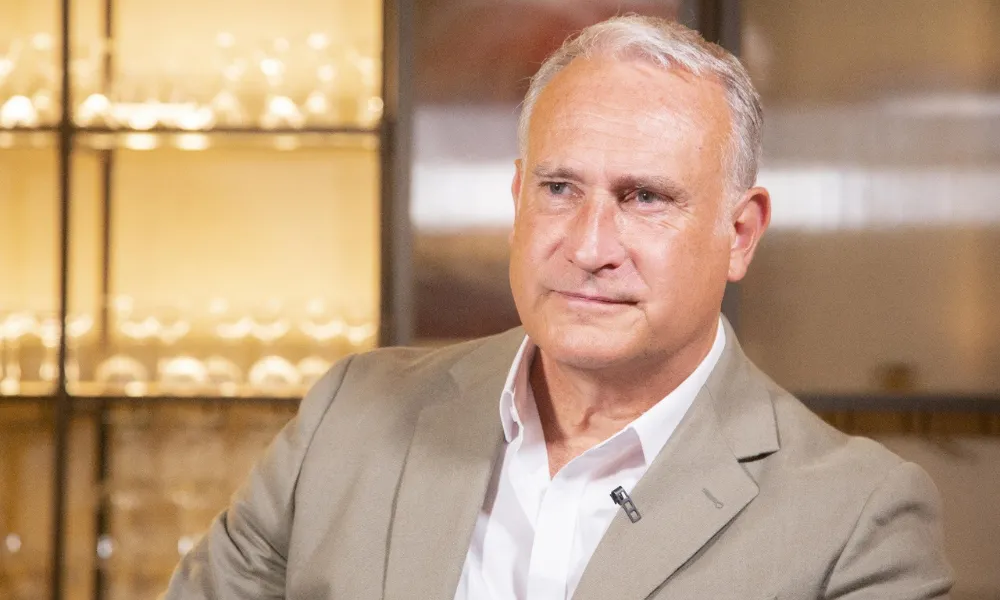
Ten years after Cyprus legalised cremation, the island is finally preparing to see its first crematorium rise near Agia Varvara in the Paphos district. Behind the project stands Barry Floyd, Chief Executive Officer of Golden Leaves, the UK funeral plan provider that has been quietly operating in Cyprus for more than two decades. In a conversation that ranged from business strategy to his rescue dog from Cyprus, one word kept returning: choice.
'You Can Have Many Weddings but Only One Funeral, So You Want It Done Well'
At one point, when the discussion turned to why anyone would invest millions in a service each of us will only ever use once, Floyd did not miss a beat. "You can have lots of weddings, but only one funeral. So you want it done well." He was informed on the spot that he had just gifted the title of this interview.
The vision: another option, not a replacement
For Mr. Floyd, the case for a crematorium in Cyprus is not a commercial pitch but a generational shift. "We live in a generation where people expect choice throughout the entirety of their life," he says. "What they buy, what they wear, where they eat, where they take their children to school, what car they drive. They can make informed choices throughout every aspect of their lives. Why should their funeral services be any different?"
He is emphatic about what the project is not. "This isn't meant to replace traditions. Far from it .It's not meant to upgrade or revolutionise religion. You can have a religious ceremony before the service. Whether someone is Catholic, Church of England, Orthodox, whatever religion they may be, they can have a service, and then the deceased can be cremated. It really is all about providing choice to people."
It is a choice many residents of Cyprus have long been exercising the hard way. Currently, those who wish to be cremated must be flown to Athens, Bulgaria or Malta, often after a religious service held in Cyprus, with the ashes returned afterwards. "It's incredibly expensive," Floyd says plainly. "Quite clearly, that isn’t the best outcome for anyone involved."
The connection to Cyprus
Golden Leaves is not arriving on the island as a stranger. The company has been trading in Cyprus for more than 20 years, selling funeral plans, products that allow individuals to finance and organise their funeral in advance. The majority of those policies, Mr. Floyd notes, are bought by expatriates, and a large proportion of them want cremation.
'This Is All About Giving People Choice'
The connection runs deeper than business. His brother has lived in Cyprus for some 20 years. And then there is the newest member of the family. "I adopted my dog from Cyprus," he says. "We rescued him and brought him over in November. The process took about four months. Then we DNA tested him and found out he was approximately five per cent wolf, which became clearer when he just kept growing and growing. He's absolutely adorable. The only problem is that I can't speak Greek, so he doesn't understand what I'm saying half the time."
Mr. Floyd is keen to stress that the facility itself will be Cypriot to its core. "This is a Cypriot crematorium. It's built by Cypriots, engineered by Cypriots, designed by Cypriots, and it will probably be staffed by Cypriots. A Cypriot facility for the people. They should be interested in it, because it's theirs. We want to bring them all along on that journey with us."
The background in England
Golden Leaves has been trading since the early 1980s and operates across the UK and several European territories. In the United Kingdom, funeral plans are a financially regulated product overseen by the government, and Mr. Floyd describes Golden Leaves as one of the biggest companies in the sector, "probably the fifth largest".
He points out that even Britain, where cremation is now the norm, once stood exactly where Cyprus stands today. "I think it was in the 1880s that cremation became a choice in the United Kingdom. Before that, probably everyone was against it, because it didn't exist. There has to be an evolutional point where something new is introduced, it’s the same the world over."
The legislation changed in 2016. Why did it take ten years for this project to happen? Were you simply not interested before?
"We haven't been thinking about this for ten years. We arrived on this project when we were approached, at a point when the previous effort had become somewhat stalled. You need a bigger operation to drive something like this forward, and you need a lot more money. Facilities like this don't come to be without considerable levels of funding. As a board, we decided to do this about five years ago. We then had to set up a company in Cyprus, and all that bureaucracy took a good deal of time."
How much are you investing, and where is the money coming from?
"It's going to be around four or five million euros. We're a private limited company and we haven't had any outside funding for this. It's money we have held in our reserves. Like all capital expenditure projects, it won't make money in the first few years. Of course it won't, that's how capital investment works. But it will make money in time."
Is a crematorium in a country the size of Cyprus a feasible business? We may have three or four weddings, but we only die once.
"Cyprus has one of the biggest expat populations in Europe in proportion to its size, and the majority of those expats want cremation. We could have built a facility with a single cremator unit and it would make be profitable in time, because it isn't just about the cremation itself. There's the whole service, the memorialisation, everything that surrounds it. But we're building a facility with two cremator units, because of its size it can now serve the whole island."
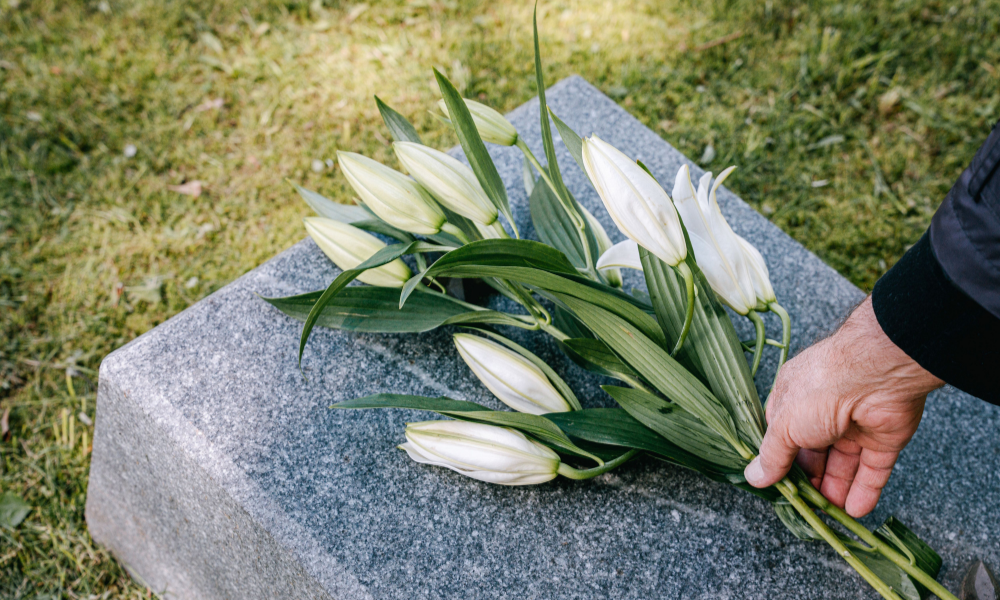
What percentage of your clients do you expect to be Cypriots, given that you will need to change mentalities here?
"In the first year or two, we think probably 80 per cent of our customers will be non-Cypriots. But after that, we think it will grow to include a significant number of Cypriot locals. People want to see a facility up and running. They want to visit it and see that it's a beautiful location, beautifully constructed, with managed gardens. Expats have already made those choices. We know for a fact that there's demand. We've seen it heavily for the last ten years, and epically for the last two. And when local Cypriots decide they now have a choice they didn't have before, we will certainly be able to scale."
Why Paphos?
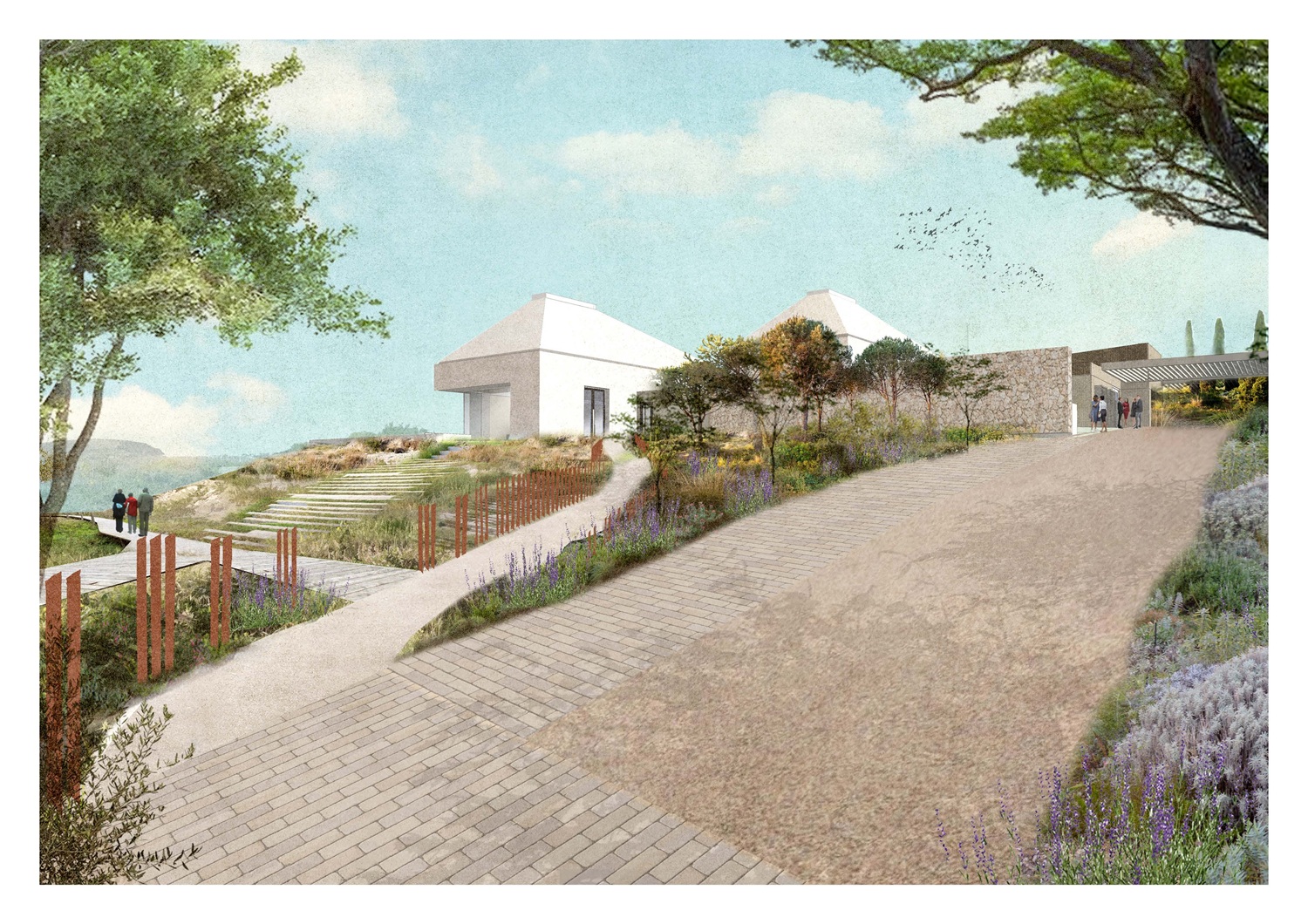
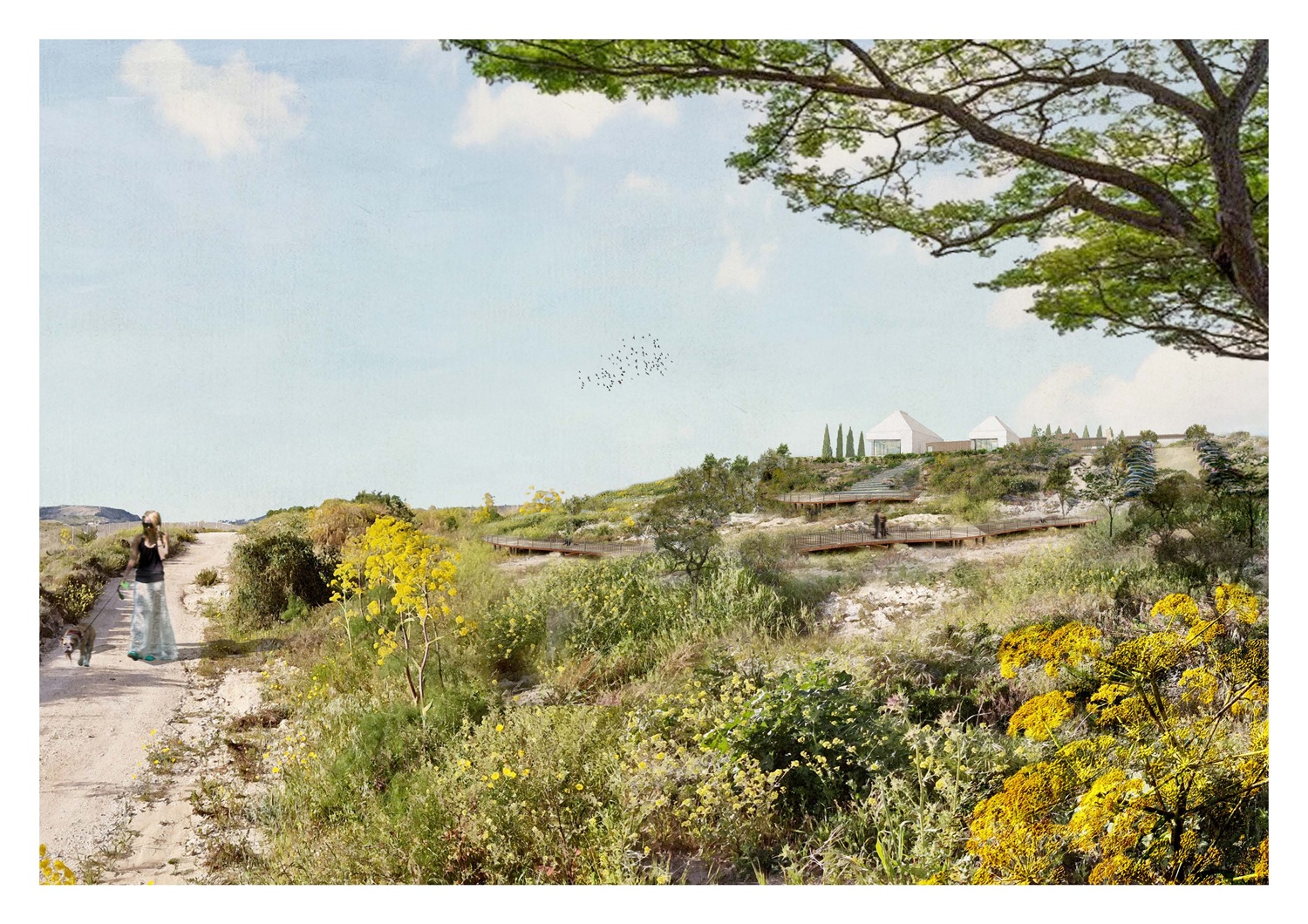
"Three reasons. Firstly, one of our directors, Maureen Watt, had earmarked a piece of land for a previous incarnation of this project which didn't come to fruition, and that land was still available. Secondly, the Paphos area has a very large expat population which would provide an immediate flow of services. And finally, we'll be shipping in large pieces of equipment, and Paphos offers easy access, rather than putting the facility in the middle of the country. When we saw the land, it had great views of the sea. We felt it had the right kind of feel about it."
How did the representatives of God in Cyprus welcome you?
"Obviously we didn’t think the Orthadox Church would be particularly enamoured with the idea at outset, and they're not. But at the end of the day, we're not trying to change tradition. We're giving people an alternative option. If the Church doesn't like that, there's not much I can do about it. Most countries with a solid religious base had a slight issue with cremation at the start. In all the countries where it evolved as a service option, things changed over time. That's the nature of life. Change is inevitable. But this is change for the right reasons, for the benefit of the populace, so it should be embraced. If some individuals don't want to use the facility, they don't have to. It's just providing the population with a dignified, professional alternative choice, and that choice is theirs to make."
How much is it going to cost us?
"Purely the fee for the cremation itself will be between 900 and 1,000 euros. The service on top of that will depend entirely on what the family desires, the memorialisation and everything else. It will be whatever the individuals request."
Do you expect competition?
"We know there are other entities out there talking about potentially building a facility. But thinking about building a facility and actually building one are two completely different things. The process is lengthy, complicated and incredibly expensive. If I were another entity, I would wait until the first one opens and see if it actually works before investing. Eventually, as is the case in all sectors, there will always be competition, and if there isn't, it's because we've done a bad job of it. I think competition is healthy, provided there's enough business to make two facilities viable of course."
When will you be up and running?
"This date moves around considerably. It's Cyprus. If it was the UK, I'd probably be able to give you the day. But, we should be able to commence ground works in September. In the United Kingdom, the build would take 12 months. Let's add a third on for Cyprus, so we're looking at probably 16 to 17 months to have it completed and operational."
'Sensationally Beautiful'
In the meantime, Golden Leaves is planning a sustained public campaign. "We have 18 to 19 months of communication time," Mr.Floyd says. "A lot of time to speak to people, get the messaging out there, educate people and bring them along the story of the build with us."
As for the facility itself, he makes no apology for the scale of the ambition. "That's the reason the project is the size and expense it is. We didn't want it to be just another functional building, another reasonable looking facility. We wanted it to be sensationally beautiful."
Having experienced both a traditional funeral and, more recently, a family cremation at the Ritsona facility in Greece, this writer needed no convincing about the dignity the choice can offer. But as Mr. Floyd himself acknowledged, it is not the converted he has to win over. "You don't have to convince me," he was told. His answer summed up the road ahead: "But you have to convince the populace."