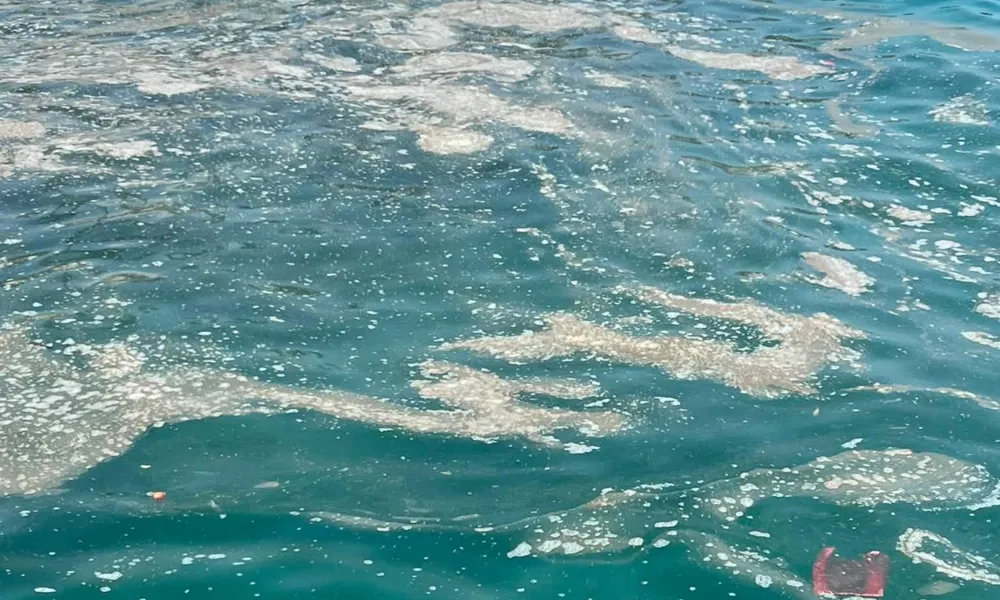

The fierce protests and public reaction over repeated, serious pollution incidents in Limassol's coastal waters have finally jolted the authorities into action, though only after the fact, as unfortunately tends to happen in this country. This past week, the issue was discussed at the House Environment Committee, where several uncomfortable truths were aired, exposing a lack of state coordination, gaps in inspections, and the ineffectiveness of efforts made so far to tackle the problem.
"The results of the analyses showed elevated microbiological load exclusively in the samples taken near the discharge point."
Politis spoke to Elena Stylianopoulou, Deputy Director of the Department of Environment at the Ministry of Agriculture, Rural Development and Environment, who explained that her Department "is responsible for monitoring bathing water quality in the Republic of Cyprus through the implementation of Directive 2006/7/EC and the relevant national legislation on bathing water quality management." She added that "the Department of Environment is also responsible for controlling and addressing marine pollution originating from land-based point sources, through licensing and inspection procedures."
Who's responsible?
Asked about responsibility for preventing and tackling marine pollution, Stylianopoulou explained that it "is currently spread across several state authorities and bodies, including the Deputy Ministry of Shipping, the Department of Environment, the Department of Fisheries and Marine Research (DFMR), the Cyprus Ports Authority, the Port and Marine Police, the District Local Government Organisations, and other involved services." She noted that "on the initiative of the Deputy Ministry of Shipping, a Committee for the Prevention and Management of Marine Pollutionwas established in 2023, bringing together all relevant bodies, with the aim of strengthening coordination, forming a unified strategy, and drawing up a comprehensive action plan to tackle marine pollution from both land and sea-based sources." In 2024, the Council of Ministers approved the creation of the Pollution Response Supervision and Coordination Group (OESAR), which operates under the supervision of the Deputy Ministry of Shipping to support the Committee's work and strengthen coordination among the relevant authorities.
Struggling to keep up
What's causing the pollution in Limassol's sea?
Identifying the exact cause of the recurring pollution incidents observed in Limassol's coastal waters isn't always possible. This is because most incidents are short-lived, and often recede or disperse before the relevant services can carry out an on-site investigation. Even though incidents are recorded at specific bathing areas, this doesn't necessarily mean the source of the pollution is located there or nearby. Pollutants can be carried by sea currents and scattered by waves, and as a result may end up along a different stretch of coastline from where they were originally released. Possible sources of pollution include illegal discharges of sewage or other liquid waste, such as bilge water, from vessels and ships, drainage water from the construction of high-rise buildings or other infrastructure, leaks or overflows from sewage treatment plants, and illegal discharges of sewage or other liquid waste through stormwater drains, among others.
Not what it looks like
What inspections were carried out?
Taking into account the complaints received recently regarding coastal areas in the Limassol district, the relevant state authorities carried out a coordinated investigation into the recurring pollution incidents, conducting targeted sampling and analysis, not at the standard monitoring points, but at locations where visible signs of pollution, such as foam or oil slicks, had been observed, in order to investigate the origin and nature of these phenomena. Specifically, from 1 August to the present, at least nine (9) targeted sampling exercises have been carried out in cooperation with the Department of Fisheries and Marine Research, involving both microbiological and specialised chemical analyses to investigate possible organic pollution and the presence of petroleum hydrocarbons.
And what did the results show?
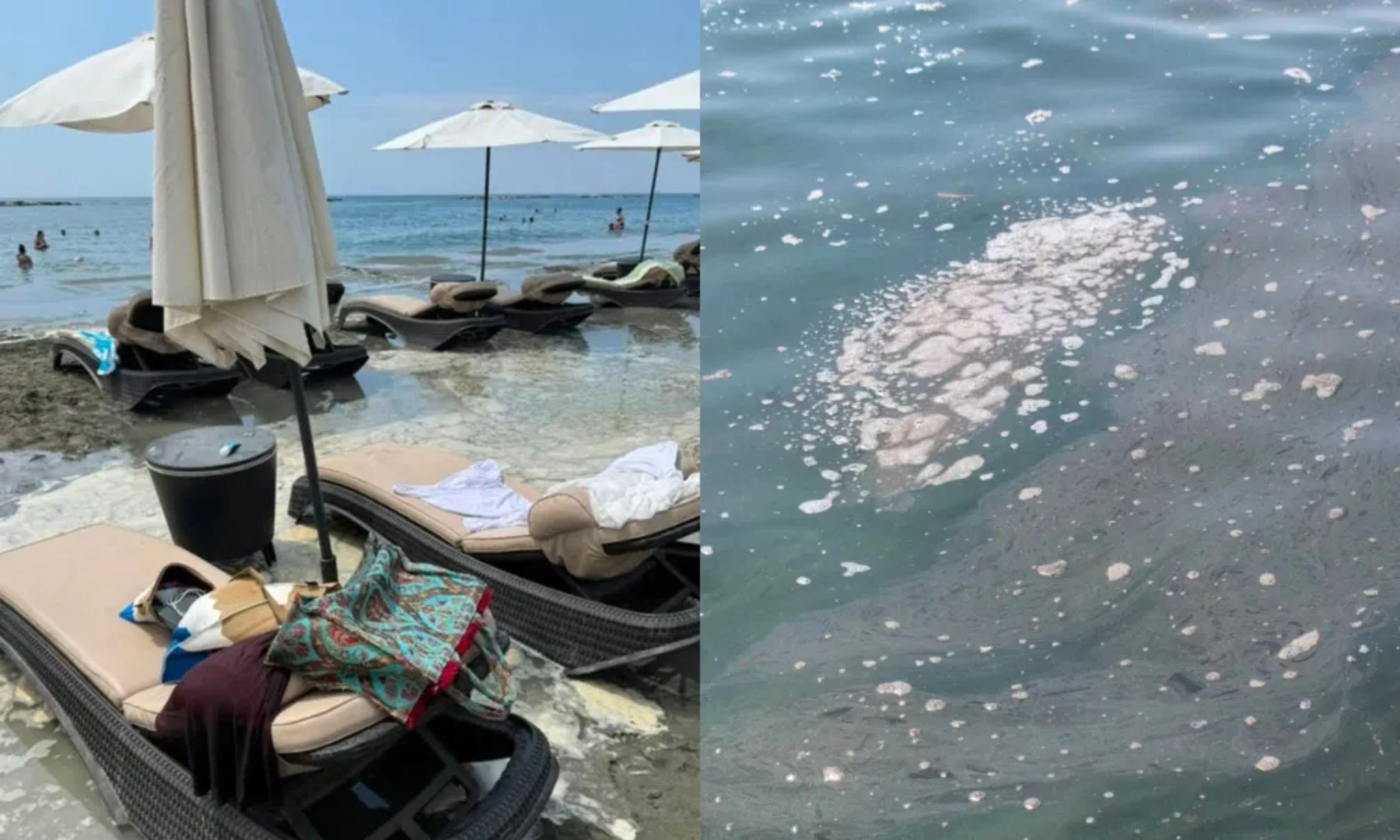
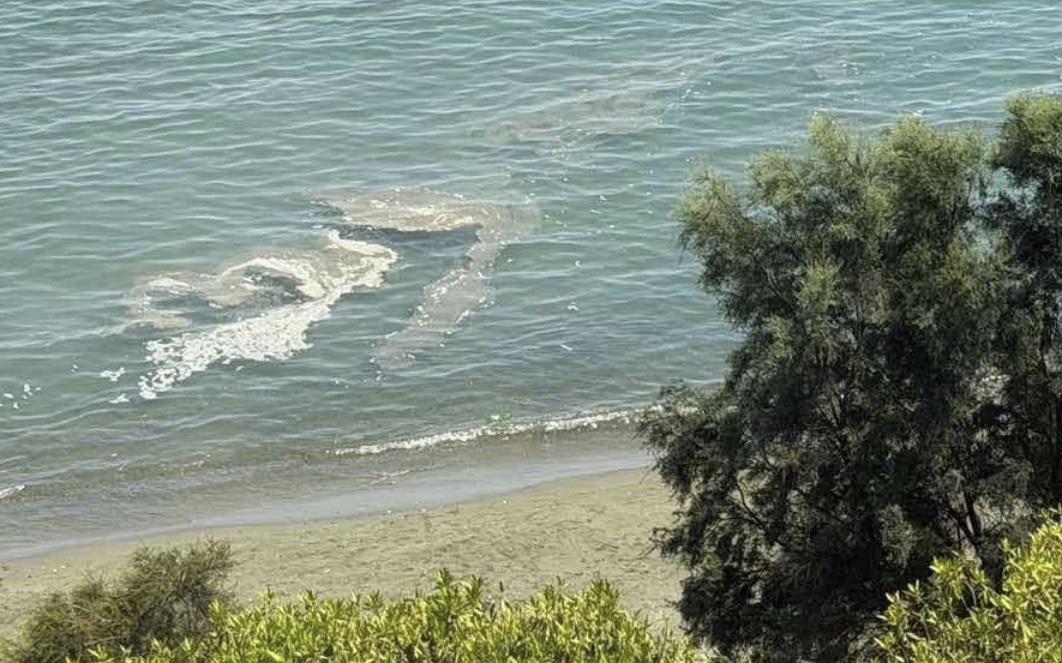
The results so far have shown that the white foam observed is not linked to the presence of sewage or other microbiological contamination. In addition, non-targeted GC-MS scanning has not revealed any indication of chemical compounds suggesting organic pollution. It is estimated that the phenomenon may be related to natural processes linked to high temperatures and the presence of organic matter originating from marine phytoplankton. As for the brown patches observed, in one case the presence of petroleum hydrocarbons was confirmed. The relevant services are continuing this coordinated investigation into the recurring pollution incidents, in order to gather sufficient data to draw scientifically sound conclusions that will allow the incidents to be linked to specific activities and their sources identified.
According to Elena Stylianopoulou, the Department of Environment recognises that the legislation governing bathing water monitoring covers only a specific type of sampling and analysis.
Waste in the sea from the Moni station
What happened with the Sewage Treatment Plant in Moni?
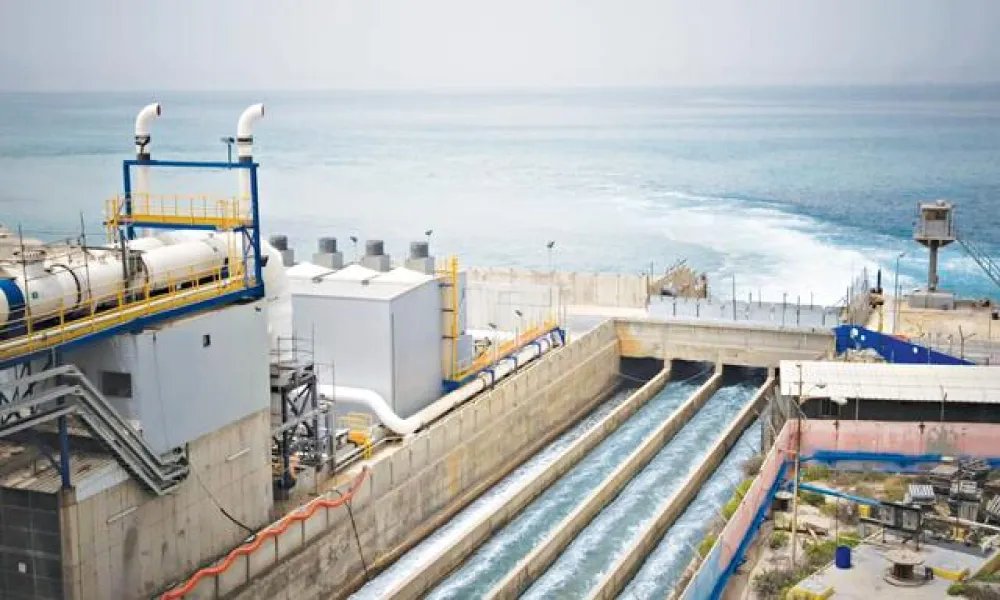
On 21 July, the Department of Environment was informed, following complaints from local authorities and media reports, of a possible discharge of liquid waste into the sea from an underwater pipeline located at the Sewage Treatment Plant in Moni. Responding immediately, the Department began investigating the incident and, the following day, 22 July, carried out sampling in the sea area next to the plant, the results of which showed no microbiological load. On the same day, scheduled sampling was carried out at all bathing water points across the Limassol district, which also showed no microbiological contamination. Subsequently, on 5 August 2026, the Limassol District Local Government Organisation informed the Department of Environment that, due to a technical fault in the plant's operating system, secondary-treated liquid waste had been discharged into the sea. The discharge was made through the underwater pipeline, 120 metres from the shoreline, which may only be used in an emergency, and only during the winter months, by the Water Development Department, under the terms of its discharge licence. The procedures set out in current legislation were applied to the incident, and the Limassol District Local Government Organisation was issued an out-of-court settlement of €20,000. Following this, the Department of Environment, working with all relevant services, carried out an emergency programme of sampling and analysis both at the discharge point and at five neighbouring bathing water areas: Kalymnos, Kyvernitis Beach, Agios Georgios Alamanou, Aoratoi and Panagies. Sampling near the discharge point was carried out on 5 August 2026 by the Department of Fisheries and Marine Research, during the discharge itself, while sampling at the bathing water points was carried out by the Health Services on the same day and the following day.
"A broader range of analyses is being planned for future sampling, so as to give a more complete picture."
What did the analyses show?
The results of the analyses showed elevated microbiological load exclusively in the samples taken near the discharge point. By contrast, no microbiological contamination was found at the neighbouring bathing water areas. This finding shows that the incident remained locally contained and did not affect water quality at nearby bathing areas. The Department of Environment, working with all relevant services, once again carried out an emergency programme of sampling and analysis, both at the discharge point and at the five neighbouring bathing water areas mentioned above. It should be stressed that the results of all sampling, both routine and emergency, carried out at the neighbouring bathing water areas during August confirmed that bathing water quality was not affected.
The Dasoudi pipeline
What was the outcome regarding the drainage pipeline from the high-rise building in the Dasoudi area?
This particular pipeline doesn't follow a straight course, it zigzags, in order to avoid the protected Posidonia seagrass species and the Ports Authority anchorage, in line with the environmental approval issued by the Department of Environment following consultation with the relevant authorities. It was observed that its construction had not yet been completed, in terms of final length and route within the sea, and that discharge was taking place in shallower waters and during the bathing season, in breach of the environmental approval. The Department of Environment was not informed of this illegal discharge by the operator of the Seamark high-rise building. Compliance letters have been sent to all high-rise buildings with pipelines running into the sea, and an out-of-court settlement of €20,000 was issued to the contractor who installed the pipeline for this particular building. Letters have also been sent to building operators requesting precise clarification of how many pipelines remain in the sea. Given that most of the drainage pipelines originally installed for high-rise buildings have since been removed following construction, it is estimated that three pipelines currently remain in Limassol Bay. This matter will be investigated further, in cooperation with the other authorities involved.
Half measures so far
Something isn't right here, Ms Stylianopoulou. The relevant authorities can't simply fail to "see" what citizens are seeing...
Recent months have shown that a large number of marine pollution incidents have occurred in the Limassol area. This should prompt every authority involved in managing this issue to reflect on the measures being taken, whether they're adequate, and whether they need to be revised where necessary. As the Department of Environment, we recognise that the legislation governing bathing water monitoring covers a specific type of sampling and analysis, and doesn't always reflect the situation as experienced by beachgoers. For this reason, we're planning a broader range of analyses for future sampling, in order to give a fuller picture, not limited solely to the microbiological condition of the water. In addition, monitoring and inspection of land-based facilities that could potentially discharge into the sea needs to be intensified and made more systematic. Cooperation with other departments, such as the Department of Fisheries and Marine Research, is important in this effort, given their role in marine environment inspections. The effort that has already begun needs to be a collective one, in order to tackle this multifaceted and complex issue.