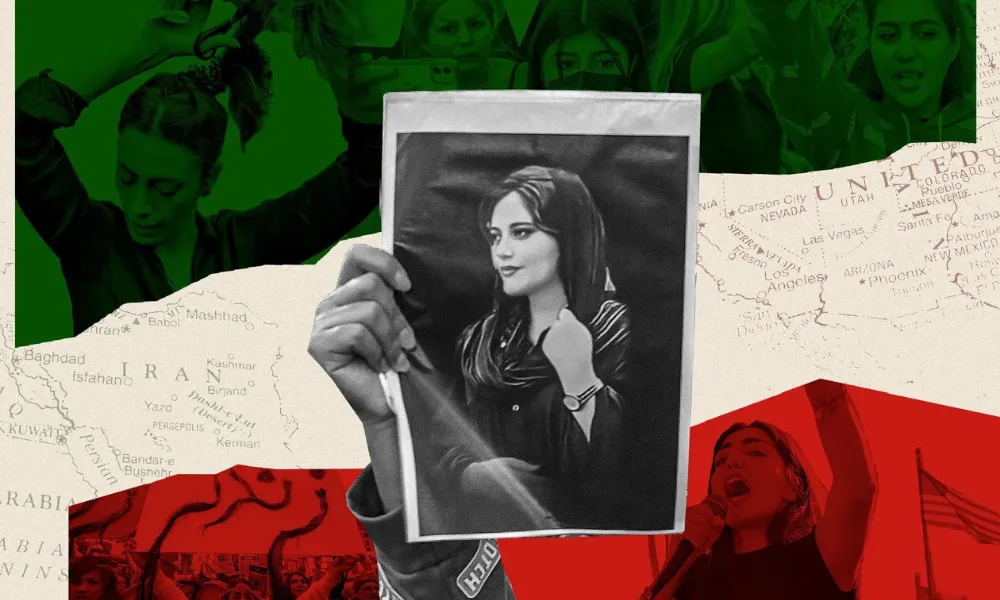

Four years after Mahsa Amini died in the custody of Iran's morality police, human rights organisations say the officials responsible for suppressing the mass protests that followed have not been removed from power. Businesses across Iran's Kurdish region, Amini's home area, closed on Wednesday in a coordinated strike, while the United Nations and the European Union renewed calls for accountability and the release of detained activists.
A strike across the Kurdish region
Shops and businesses in Saqqez, Sanandaj, Mahabad, Marivan, Baneh and Bokan closed their doors on Wednesday after Kurdish political groups called for a general strike to mark the anniversary. Footage shared on social media showed markets standing empty across the region.
This week marks four years since Jina Mahsa Amini died in the custody of Iran’s morality police.
— Mai Sato (@drmaisato) September 14, 2026
What followed her death was the Woman, Life, Freedom movement. It was made by women and men, across ethnicities and provinces, calling for equal rights for women and girls. The…
Amnesty points to unchanged leadership
In a report timed to the anniversary, Amnesty International said the individuals who oversaw the violent response to the 2022 protests continue to run Iran's security institutions today, and that the methods used against demonstrators at the time remain in use.
UN and EU add their voices
Mai Sato, the UN Special Rapporteur on Human Rights in Iran, said four years of state violence, including lethal force used against protesters in late 2025 and early 2026, had not ended public opposition. "The resistance Jina's death gave rise to has not been extinguished," she wrote, adding that women continue to insist on their right to choose "what they wear, where they work and how they live."
This is the story of Taraneh and Romina Rahimi. Twin sisters dragged from their beds, tortured, abused and sentenced by the Iranian regime.
— Roberta Metsola (@EP_President) September 15, 2026
They are two of many young people in Iran facing death or imprisonment for the crime of demanding to live free.
They will not go silently… pic.twitter.com/uRyRD9KlRa
Sato also pointed to an apparent gap between law and practice: although the Law on Protecting the Family through the Promotion of the Culture of Chastity and Hijab has formally been suspended since December 2024, cafes, restaurants and shops are still being shut down over hijab violations, and arrests continue to be reported in some cases.
European Parliament President Roberta Metsola (Malta, EPP) posted on X that the Parliament would continue backing young Iranians facing imprisonment or execution, naming twin sisters Taraneh and Romina Rahimi, who were sentenced by a Revolutionary Court following recent demonstrations. Metsola wrote that the Parliament would "keep their light shining until it breaks through the darkness."
What happened to Mahsa Amini
Amini, 22, was arrested by morality police on 13 September 2022 over Iran's compulsory hijab rules and died three days later after being severely beaten while in custody. A UN Independent International Fact-Finding Mission on Iran later concluded that she had suffered physical violence in detention and held Iranian authorities responsible for her death, a finding Iranian officials have rejected, denying she was physically assaulted.
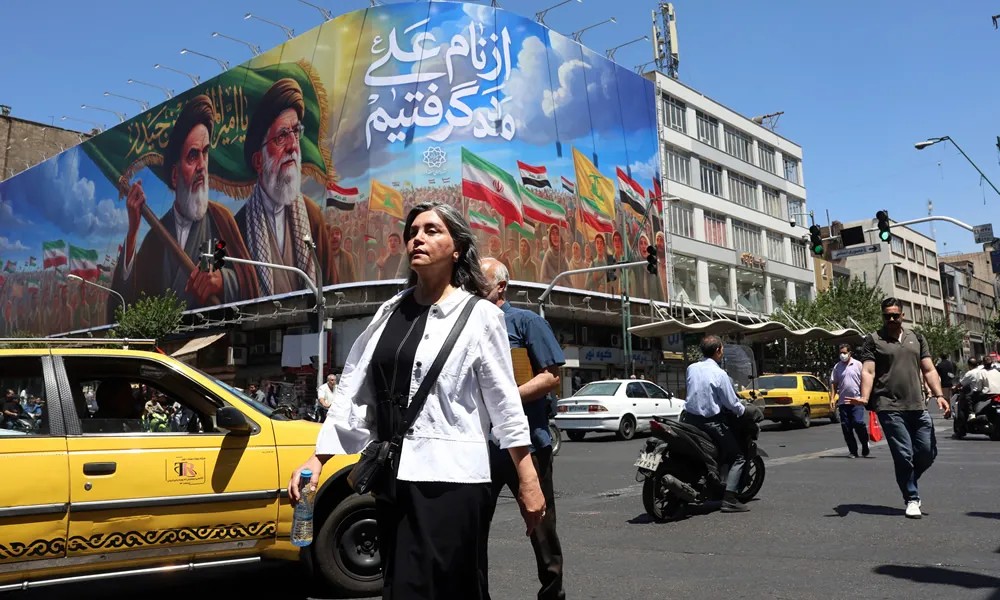
Her death triggered nationwide protests that, while sparked by hijab enforcement and women's rights, broadened into wider demands covering political freedoms, minority rights and economic grievances. The same fact-finding mission documented up to 551 deaths across 26 provinces, including at least 49 women and 68 children, and said some of the abuses recorded, including killings, torture and sexual violence, met the threshold for crimes against humanity. Iranian authorities have acknowledged detaining more than 22,000 people, according to Amnesty International, which has also documented enforced disappearances, unfair trials and death sentences linked to the crackdown.
From street patrols to surveillance technology
Compulsory hijab remains in force and Iran's political structure has not changed, with many former protesters now imprisoned, in exile or awaiting sentencing. Rather than relying on visible morality-police patrols, authorities have increasingly turned to cameras, facial recognition, drones and other digital tools to enforce hijab rules; police announced as early as 2023 that public camera networks would be used to identify women not wearing headscarves. A 2025 report from the UN fact-finding mission noted the use of facial recognition to monitor student dress at the entrance to Amirkabir University in Tehran.
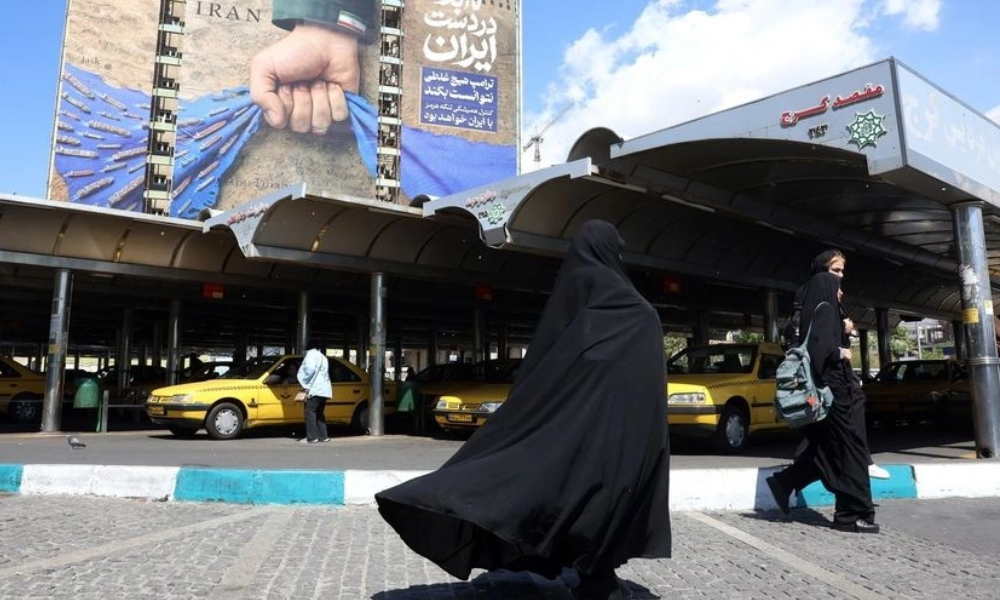
A 2025 academic study published in Iranian Studies at the University of Cambridge argued that the protest movement had produced lasting cultural change alongside its political impact, weakening the state's grip on public and cultural life even where the legal and political system remains unchanged. Researchers pointed to the continued visible presence of women without headscarves in public as evidence that conditions have not simply reverted to how they stood before September 2022.
Source: Euronews