
Last Monday’s trilateral fell short of expectations, dampening the optimism built up in the days preceding. Some important initiatives were agreed, and the process was kept alive, but the most important crossing points that the sides have been negotiating since 2025 – Athienou-Pyroi-Aglandjia and Mia Milia – did not come to fruition. Nor did the proposal on demining.
The two leaders spent three and a half hours discussing confidence-building measures (CBMs), methodology and substance, resulting in a package of CBMs that failed to meet the modest expectations set by UN Personal Envoy María Ángela Holguín in her interview with Politis the day before.
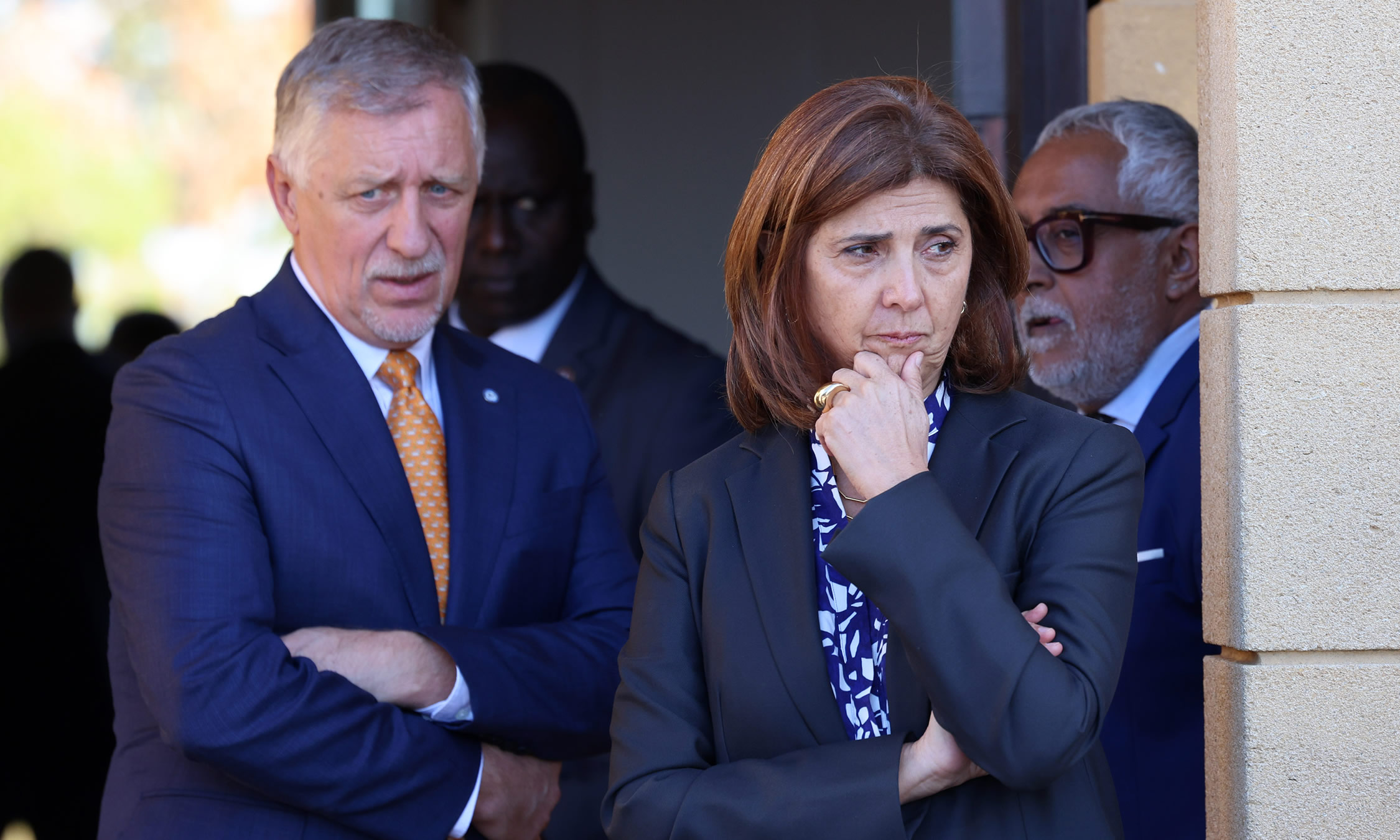
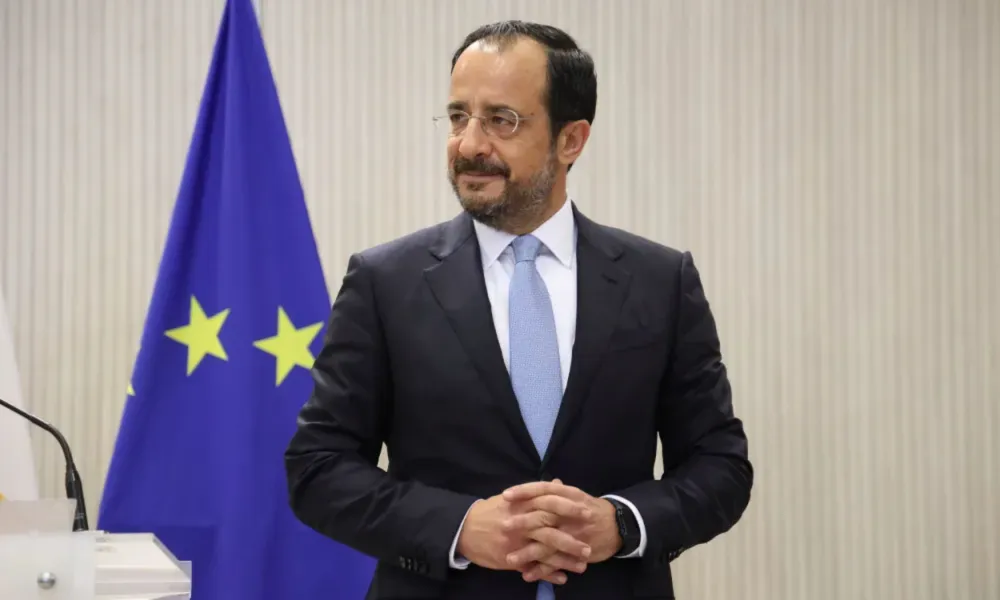
Speculation was rife that the last-minute visit by Turkish Foreign Minister Hakan Fidan to the north, three days before the trilateral, played a role in the deflated outcome. President Nikos Christodoulides agreed the results could have been better and more extensive, noting that Fidan’s visit “certainly influenced” developments.
CBMs and tactics
It seems Turkish Cypriot leader Tufan Erhürman went to the trilateral with a proposal to provide the Turkish Cypriots with access to the Arsos-Pyla road in the buffer zone, in exchange for approving buffer zone access for the final part of the Athienou-Pyroi-Aglandjia road. He knew in advance what Christodoulides’ response would be, but he tabled it anyway. This had the knock-on effect of the Greek Cypriot side taking Mia Milia off the table, following the ‘principle of reciprocity’.
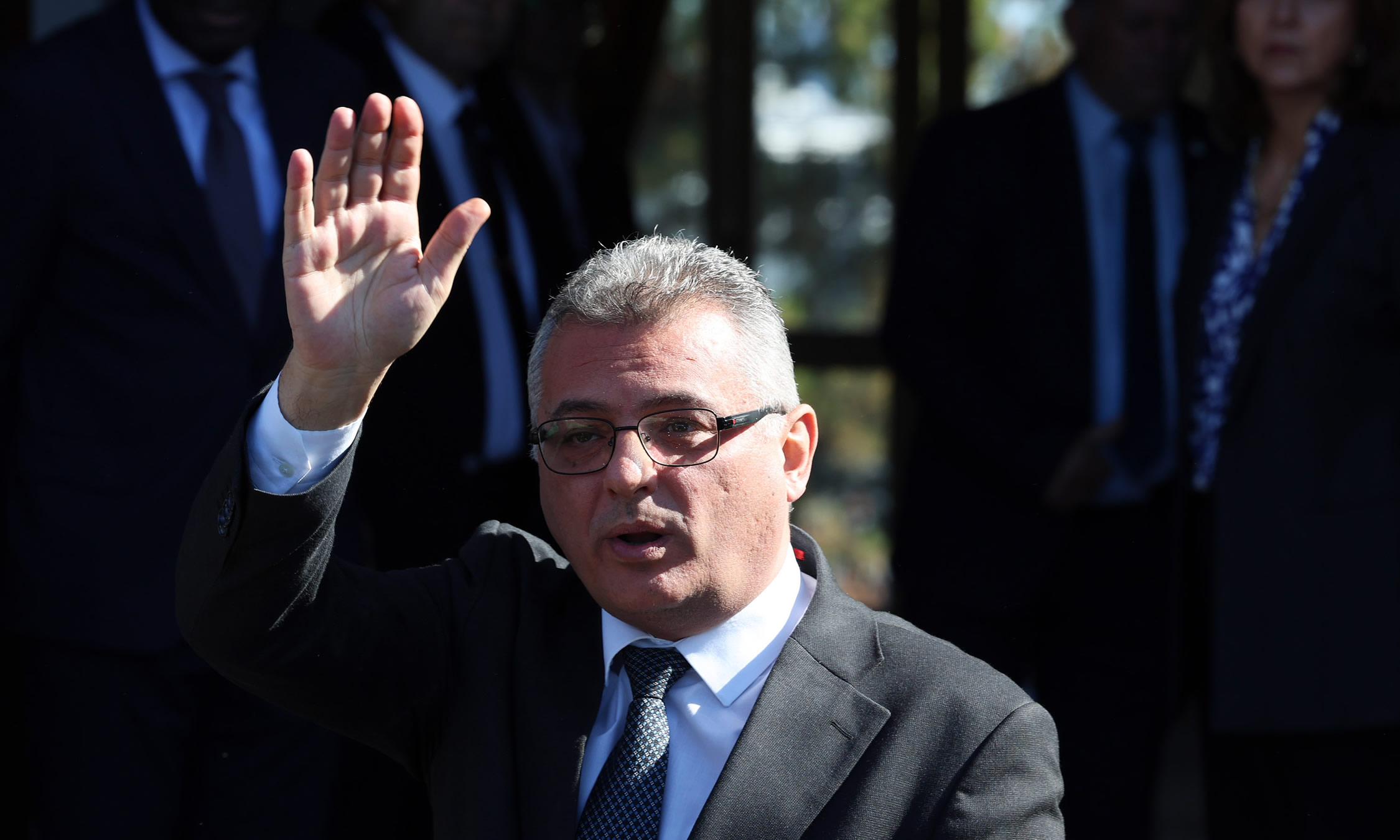
The president sees Mia Milia as mainly benefiting the Turkish Cypriot community, despite the fact Agios Dhometios is overburdened and Mia Mliia has the potential to increase Green Line trade between the two sides, in turn creating economic interdependence, building trust and chipping away at Turkish Cypriot dependence on Turkey.
At the same time, opening Athienou, according to its local council, could reduce travel time to Nicosia from 45m-60m to 8m-10m. Erhürman sees it as a ‘transit’ crossing, but it’s one that would improve the daily lives of numerous Cypriots while also showing goodwill.
Both crossings have been on the table since March 2025 and are worth implementing. It remains to be seen what the leaders do next and Ankara’s position on the matter.
With the two main crossing points off the table, the leaders settled for two limited-use crossing points, one of which, Kampos-Karavostasi, was tabled recently by Christodoulides, effectively as an alternative to Kokkina.
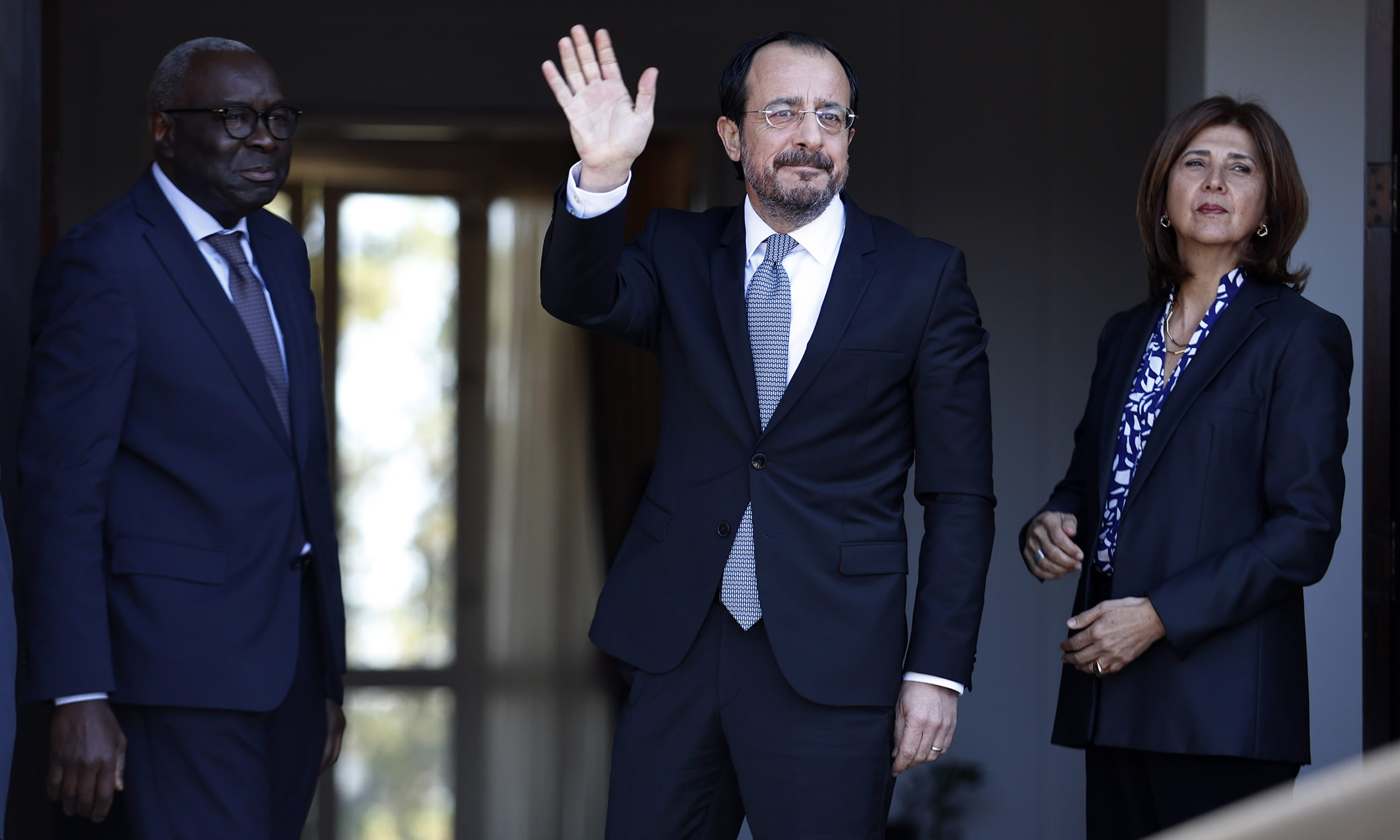
The Greek Cypriot side has every right to seek to improve the travel time to the capital of Tillyria residents through a transit crossing point at the Turkish military enclave of Kokkina. However, what’s harder to understand is why it spent so long tying Kokkina to a ‘four crossings’ package when it knew from the 2025 expanded meetings that the Turkish military would not budge on the matter. The president will have the chance to discuss the issue with Tillyria residents in a meeting this Thursday.
Demining
On demining, Erhürman proposed a coordinating committee that would handle mine clearance issues, comprising the National Guard chief and the head of the Turkish Cypriot security forces, a format consistently rejected by the Greek Cypriot side in previous efforts to set up a mechanism for military contacts between the two sides. The view of the Cyprus Republic is that any military contact should be with the head of the Turkish occupation forces on the island.
Should the sides wish to make headway on this, the UN has long experience in getting opposing forces to speak to each other without violating UN Security Council resolutions.
Varosha-Famagusta port
The return of the Varosha-Famagusta port proposal a few months before Guterres leaves office could be interpreted as: a genuine attempt to create a win-win situation that will act as a catalyst for talks; an effort to try something new since little else is working; or a move to show movement despite limited prospects.
While UN resolutions and high-level agreements have called for the return of the fenced-off part of Famagusta, Varosha has always been seen as a major bargaining chip by Turkey. One that it is unlikely to give up for the sake of what Erhürman describes as a ‘reversible’ EU decision on direct trade.
Guterres pushes on
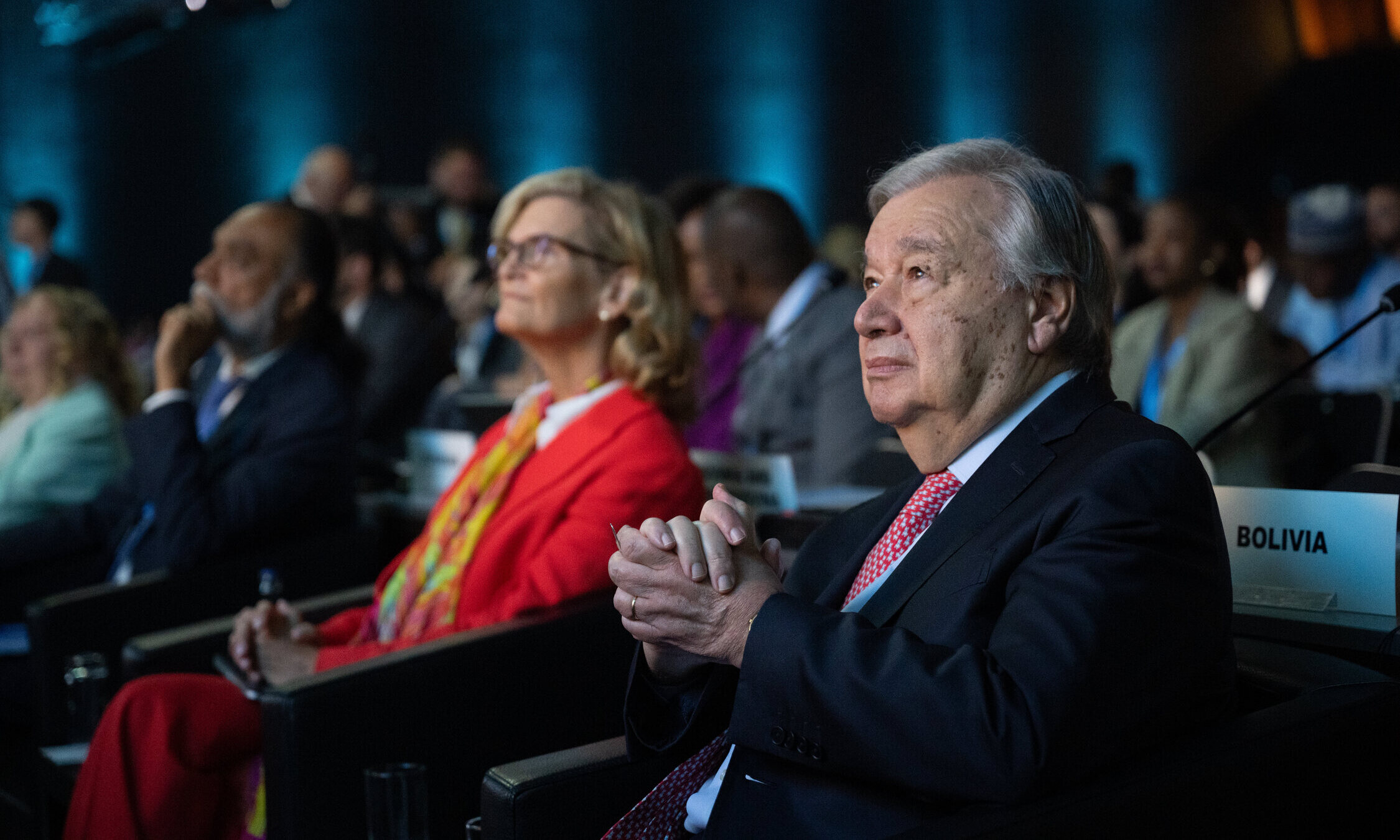
Despite the limited progress, UN Secretary-General António Guterres has agreed to meet with the two leaders and push for a more substantive breakthrough that could lead to an expanded conference and ultimately the resumption of talks.
It’s not clear what Guterres wants to see from the two leaders before convening a 5+1. Officially, he wants progress on CBMs, methodology and substance. Perhaps agreement on two more crossing points would be enough.
In Holguín’s interview with Politis, the UN envoy had suggested that if the leaders agreed to four crossing points last Monday, they could go to a 2+1 with Guterres to finalise ‘procedural steps’ on the framework of negotiations, effectively adopting a more constructive approach to methodology.
If the leaders can agree on a timeframe, how the talks will proceed, how deadlocks will be addressed, the agenda, etc., this would be a significant step forward. It would also divert them from Erhürman’s insistence on locking in issues of substance (rotating presidency) before talks begin while refusing to link it to security and guarantees.
Following the Annan Plan rejection and Crans-Montana’s collapse, Turkish Cypriots genuinely believe Greek Cypriots are not ready to share power. Greek Cypriots, meanwhile, are understandably keen on knowing what the degree of Turkey’s presence and influence will be on the island post-solution. These issues cannot be ignored and must be addressed. One option is to somehow forge a relationship of trust, cooperation and mutual benefit between the two communities that removes fears of domination and the purported need for external ‘protection’.
Perfect agenda
In the meantime, Holguín argues the “perfect agenda” for formal negotiations would be to start with the six fundamental issues raised orally by Guterres at Crans-Montana, proverbially known as the Guterres Framework.
If you start with those and decide what your “port of destiny” will be, as the UN envoy put it – with the UN-compiled convergences document in support – the road to the finish line becomes that much clearer.
Can EU break the ice?
A new element in the drawn-out talks on starting talks is the EU Special Representative on Cyprus Raffaele Fitto’s planned meeting with Hakan Fidan on 20 November in Ankara. Reports suggest Italian Prime Minister Georgia Meloni helped orchestrate the meeting. It’s worth noting Ankara avoided publicly disclosed meetings with Fitto’s predecessor Johannes Hahn.
“We want to see positive developments in EU-Turkey relations,” said Christodoulides on Friday, adding this can only come about through the resumption of talks from where they left off in Crans-Montana.
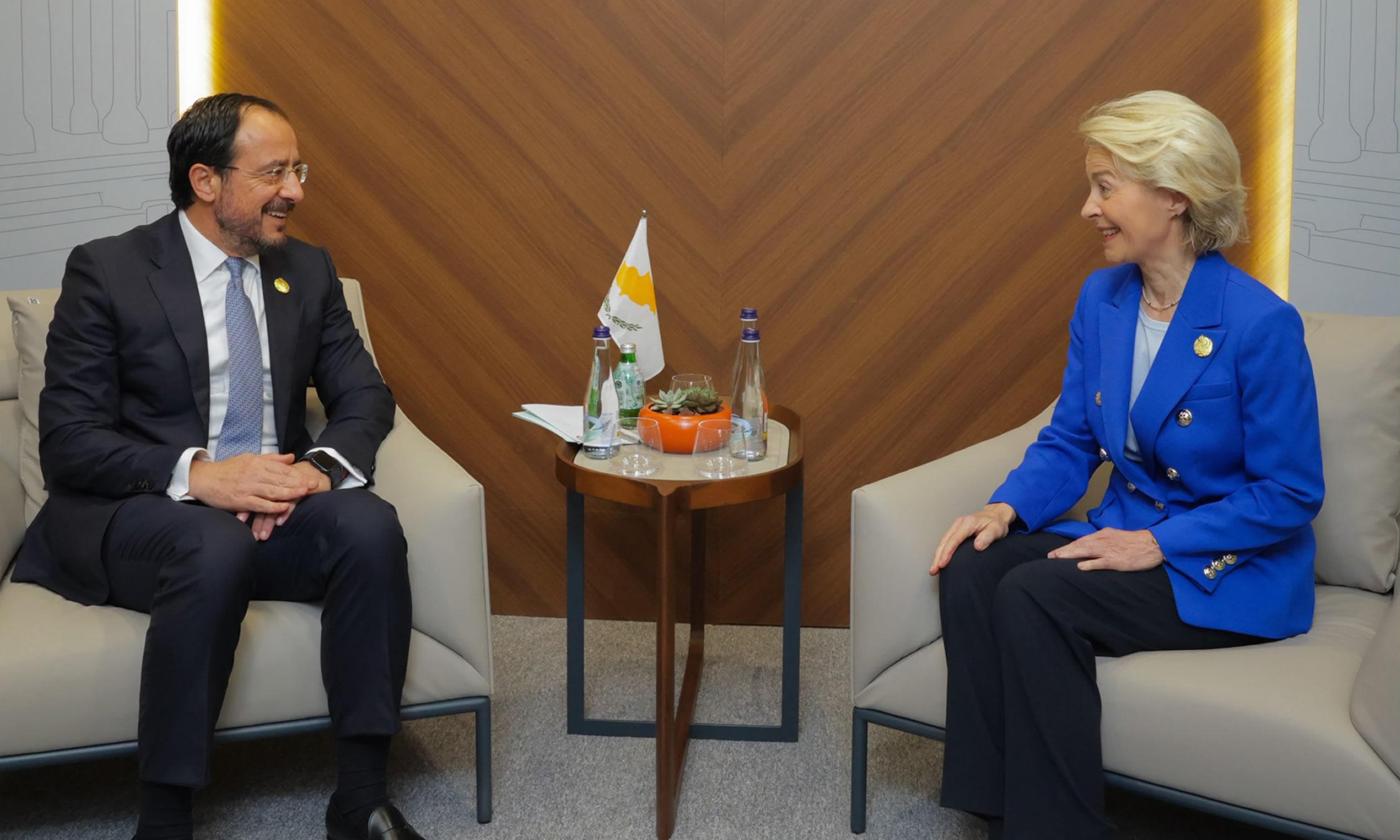
With pushback from certain EU member states on Turkey’s participation in the EU’s SAFE programme and on visa liberalisation for Turkish nationals, Fitto’s only carrot might be to launch talks on an EU-Turkey customs union upgrade. Cyprus will not block the start of those talks if they coincide with progress on the Cyprus issue, that is, a resumption of negotiations.
Should Fitto offer this to Fidan, the chances of a 5+1 increase, while resuming peace talks becomes a real possibility.
If, however, Fitto goes with little in his hands, and Ankara’s assessment of the pros and cons of peace talks remains unchanged, then the next trilateral with the Secretary-General could end up being a ‘farewell and good luck’ encounter. Unless Guterres throws caution to the wind and calls a 5+1 in the hope something changes to produce a tangible result for his successor.
Next generations
Should the current effort fail, there are youth in Cyprus presently engaged in intercommunal dialogue and cooperation, achieving results. The Technical Committee on Youth is a case in point. They are a breath of fresh air.
There are also youth who are moving increasingly towards seeing the island’s division as insurmountable, which in the long run, somewhat ironically, normalises partition.
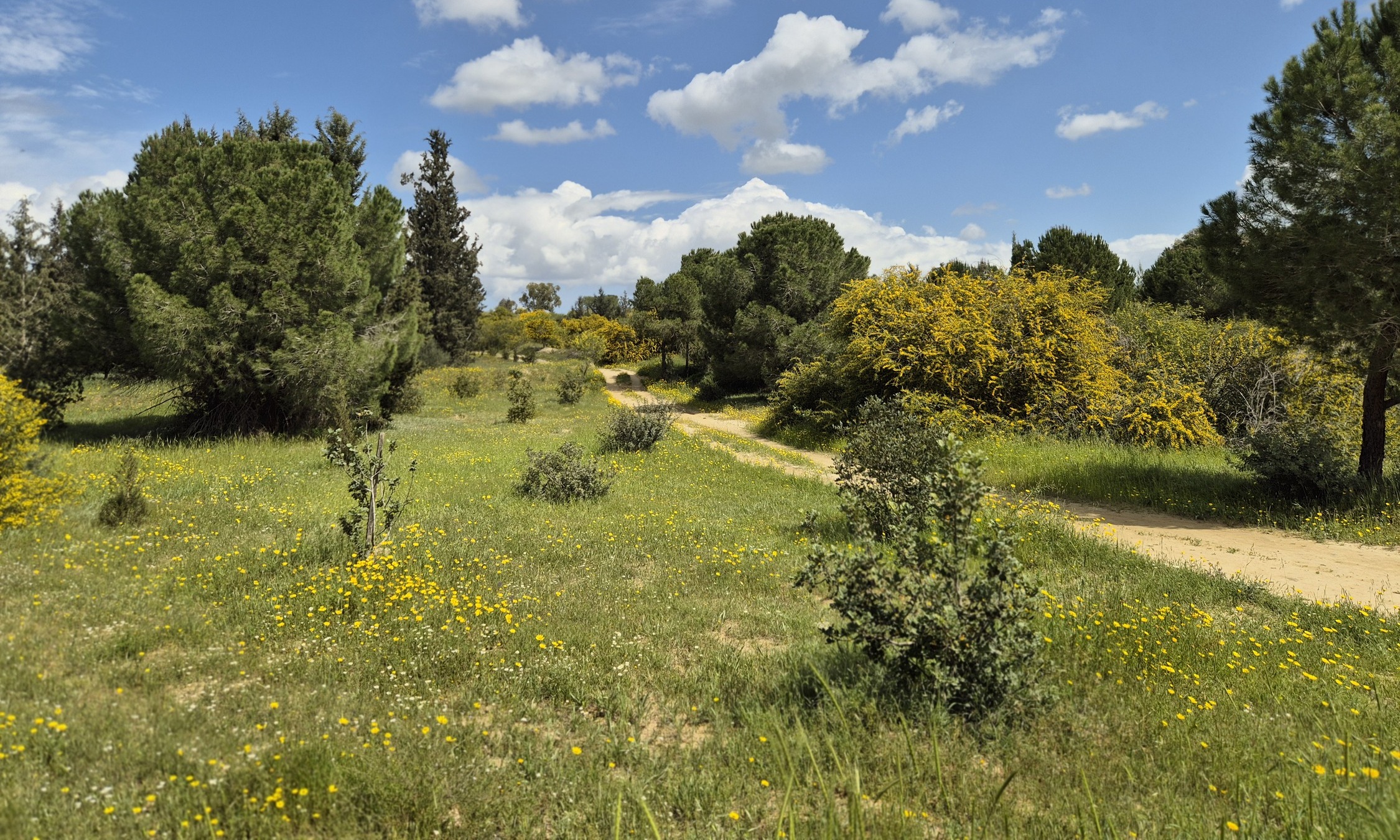
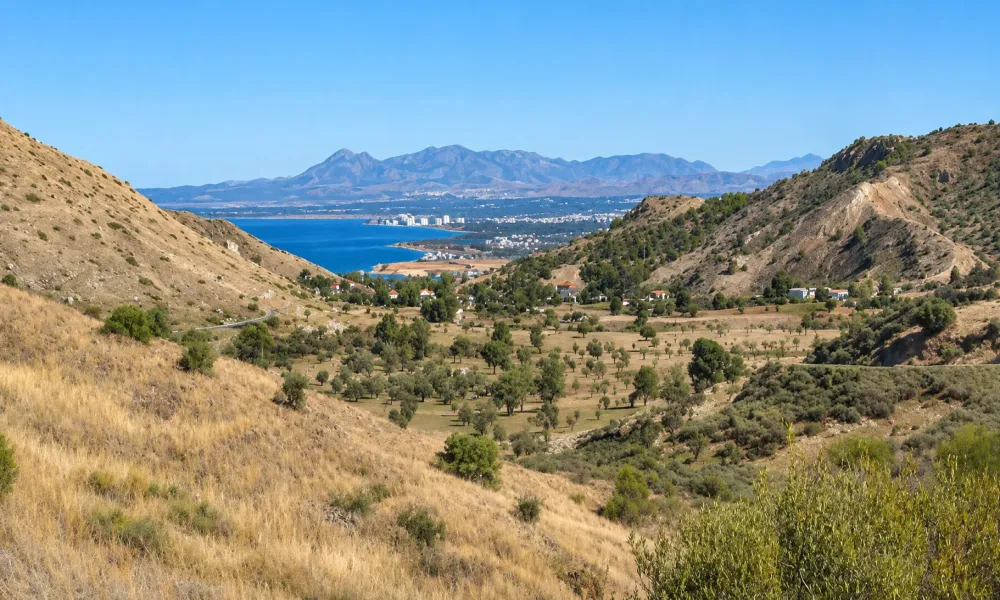
Depending on which trend prevails, the coming years and decades could see a permanent rupture on this ancient land that first began to form some 90 million years ago when molten rock pouring from the seafloor solidified, building new oceanic crust.
“Over time, portions of this oceanic rock were wrenched upward by tectonic forces, eventually emerging as a rugged island made of ophiolite, a type of rock with a mottled green appearance,” according to NASA.
A lasting fracture on this ‘golden-green’ island would be a great tragedy indeed.