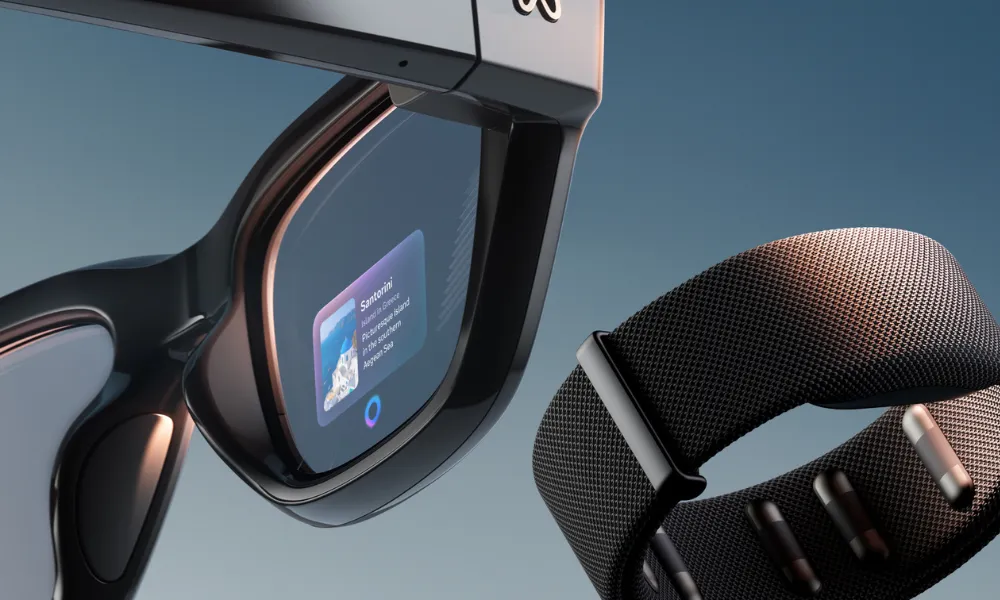

Smart glasses are becoming a market with enormous momentum. The newest models look increasingly like ordinary sunglasses or prescription glasses, while evoking a distinctly James Bond feel.
According to Meta, considered one of the leading manufacturers, more than seven million pairs were sold worldwide in 2025, and more are expected to follow, a marked contrast to Google's 2013 attempt, which was withdrawn from the UK market just seven months after launch. Back then, the high price and fierce backlash over data privacy stood in the way of wider adoption. Now, however, Google is making a determined comeback, while Samsung and Apple are both preparing their own entries into the smart glasses market.
What the glasses can do
The capabilities on offer are genuinely impressive: phone calls, photos, video recording, music and podcast playback, real-time text translation, and answers to questions about anything in front of you, all without touching your phone or being trapped behind a screen. Travel journalist Laura Hall, who writes for the BBC, spent three days in Paris testing the experience for herself. As she found, wearable AI promises to transform the way we travel. It can guide you through the streets of an unfamiliar city, translate restaurant menus, and make exploring a destination easier than ever. For anyone who has spent countless hours in unfamiliar cities staring at Google Maps, the appeal is obvious, sparing travellers the awkward look of a lost tourist glued to their phone.
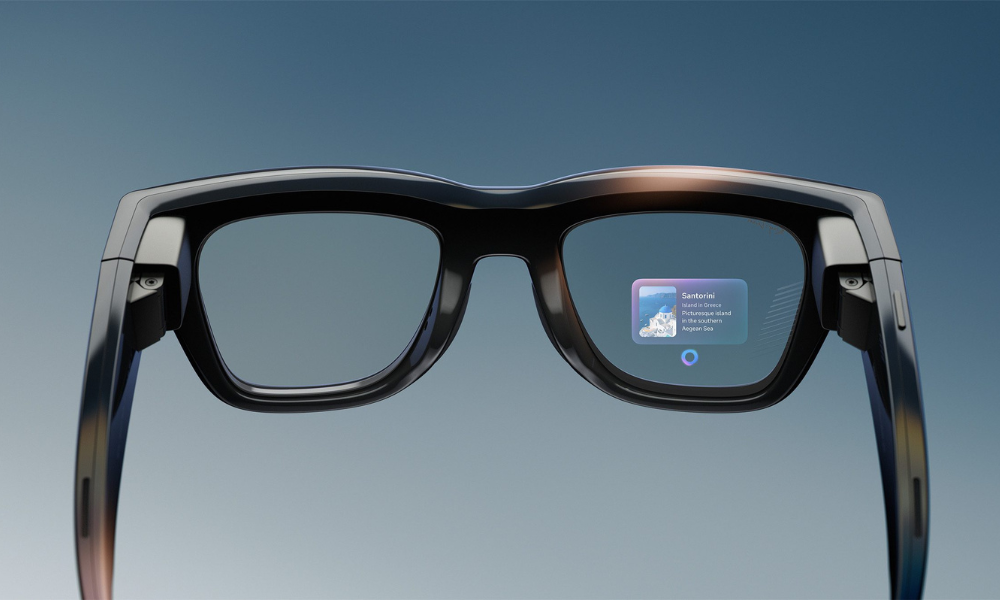
Ray-Ban Meta AI glasses resemble an ordinary pair of frames, letting the wearer speak commands into thin air, however strange that may sound. Unlike the Even Realities G2, which feature a discreet head-up display and are the official gadget of James Bond in the video game "007 First Light" by IQ Interactive, Meta's glasses do not project information onto the lenses. Instead, they rely on cameras, microphones, speakers and voice-activated AI, simplified to the point where you might wonder whether a pair of glasses could become an accessory to your phone, or eventually replace it altogether. A simple question gets you 800 years of history about the Louvre; a single glance lets you translate anything your built-in camera captures, even the 300-metre height of the Eiffel Tower.
A booming market in China
In China, many consumers choose to rent AI smart glasses for around five euros a day, to explore the technology's new capabilities without buying the device outright. University student Vivian, from Hebei province, loves her Rokid AI glasses. When she rides her electric scooter, she wears them for navigation. When shopping for clothes, she uses the built-in camera to photograph price tags, so she can later check whether the same items are sold cheaper online.
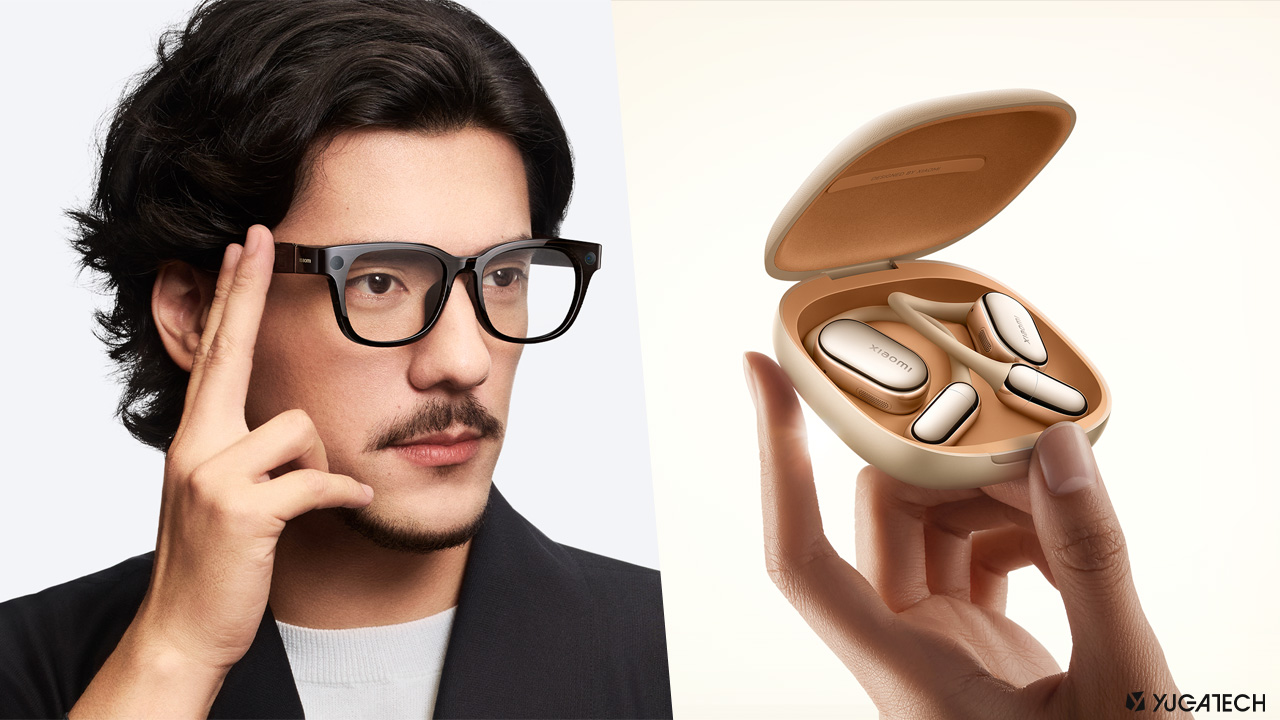
But there are moments when their use crosses well beyond simple convenience. Vivian admits she has used her glasses to cheat during exams, the device scans the questions and displays the answers on the lens. She revealed that some of her classmates have even rented her glasses specifically to cheat with them. As a result, bans during major exam periods began appearing within a short space of time.
Meanwhile, Chinese companies are offering strong incentives. Since last year, Xiaomi, Alibaba and electric carmaker Li Auto have all launched their own smart glasses models. Since 2026, the Chinese government has included smart glasses in a national subsidy programme aimed at boosting consumption, offering a 15% discount capped at 500 yuan (around €64). Sales growth is expected to be rapid, building on the 2.5 million units sold last year.
The dark side of the technology
So far, so good. But what about the ethical consequences? The built-in camera, which allows for discreet photos and video recording, keeps landing the technology in controversy. There have been documented cases of AI glasses being used to secretly film women without their knowledge or consent. These incidents were serious enough that the glasses earned the unflattering nickname "pervert glasses" online. A Swedish newspaper investigation also found that Kenyan contract workers reviewing footage from Meta's smart glasses had seen users' recordings of people undressing or using the toilet, along with footage of intimate encounters that the wearers did not appear to know had been recorded. The debate over the boundaries being crossed is far from over, and at some point a line will have to be drawn, though no one can predict exactly where.
Banned in New York's courts
Tellingly, the New York State Court System decided, from 20 July, to ban the use of smart glasses fitted with a camera, microphone or built-in computer in all of its courthouses. The reasoning is that covert filming or recording violates New York State's Civil Rights Law. The rule applies to everyone entering a state courthouse, regardless of role, from lawyers, litigants and witnesses to court staff and members of the public. Anyone wearing smart glasses must hand them over to uniformed court officers before entering the courtroom. Concerns intensified earlier in the year, when members of Meta founder Mark Zuckerberg's security detail were seen wearing such glasses during his trial in California. California Superior Court Judge Carolyn Kuhl warned that no recording of any kind would be permitted, making clear that violators would face contempt of court sanctions.
Now banned in England and Wales too
New York is no longer alone. According to a report by The Guardian, courts across England and Wales have followed suit, banning Meta's AI-powered smart glasses over the same privacy concerns and their capacity for undetected recording. His Majesty's Courts and Tribunals Service (HMCTS), which oversees courts in both regions, confirmed that Meta glasses will be confiscated from anyone entering its judicial buildings and returned only once they leave. "There are clear restrictions on taking images or videos within courts and tribunals, which is why the use of Meta glasses is prohibited," a court spokesperson told the Guardian. While smartphones remain allowed on the basis that they will not be used to record proceedings, Meta's smart glasses conceal a camera within the frame, making unauthorised recording far harder to detect. Taking photos or video inside UK courtrooms without official permission is already a criminal offence, and breaches can be prosecuted as contempt of court. In one High Court case earlier this year, a man was accused of wearing smart glasses to receive coaching during cross-examination, effectively having answers fed to him through the built-in speakers while under questioning; he denied the accusation, saying the glasses were not connected to his phone. Courts are not alone in cracking down: a growing number of UK pubs, restaurants, members' clubs, theatres, music venues and comic conventions have also begun banning the devices.
At a crossroads
AI smart glasses now stand at a critical crossroads. On one hand, they could evolve into a genuine personal digital assistant, changing the way we work, travel and communicate. On the other, they are raising increasingly difficult questions about privacy, education and the limits of the technology itself, questions the courts, workplaces and universities are only just beginning to grapple with.
Source: Meta, BBC, The Guardian