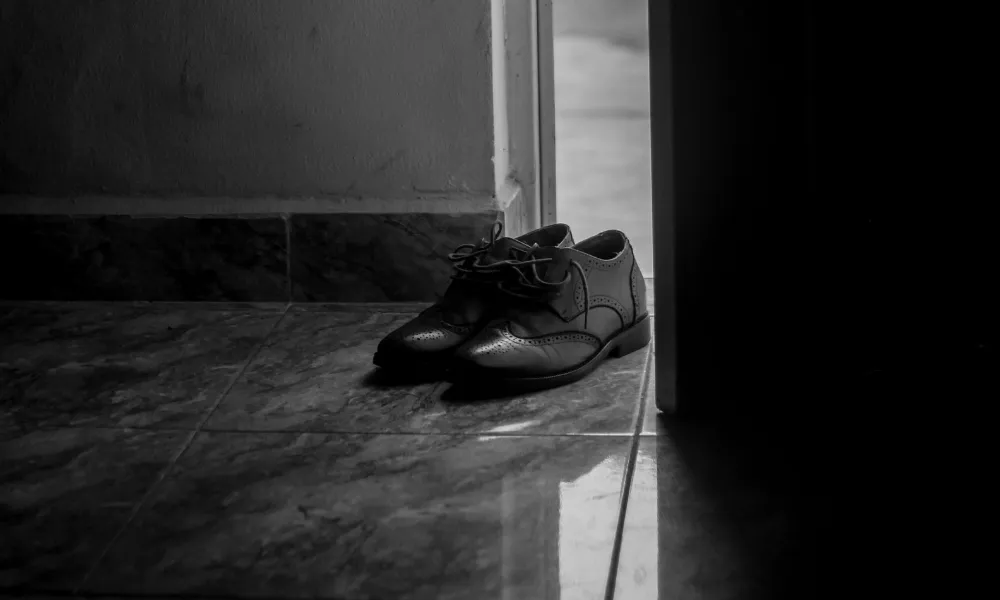

Every time someone walks into a house wearing outdoor shoes, they may be carrying in far more than dust and mud. That is the conclusion of a review published by Time magazine, which gathered findings from several of the limited number of studies conducted on shoe soles and the microorganisms they transport indoors.
Shoe soles come into daily contact with pavements, public toilets, parks and roads, picking up bacteria, chemicals and other pollutants that are then transferred onto household floors. A growing number of people now remove their shoes at the door, and scientists say the habit can meaningfully reduce a family's exposure to microbes and toxic substances.
What the research has found
Published research on shoe-related contamination remains limited, but several studies stand out, according to Time.
In a 2008 study, Charles Gerba, a professor of virology at the University of Arizona, examined 26 pairs of shoes that had been worn outdoors for three months and reached troubling conclusions. The shoes carried between 3,600 and 8 million colony-forming units (CFU) of bacteria, both inside and outside. E. coli, the bacterium associated with faecal matter, was the most frequently detected organism.
"About 80% of the shoes carried faecal bacteria," Gerba told Time. "Most pick it up from public bathroom floors, where such bacteria are always present. They can also be transferred from outdoor areas frequented by dogs and birds."
According to Gerba's data, shoes host considerably more microbes than public toilet seats, which carry an average of around 3,200 CFU.
E. coli is not the only pathogen shoes can carry. Researchers at the University of Houston found that 40% of the shoes examined carried Clostridioides difficile (C. difficile), an intestinal bacterium that causes diarrhoea.
Hospitals, farms and city streets
Healthcare settings proved particularly heavily contaminated. A 2016 meta-analysis published in the Journal of Applied Microbiology, which reviewed 13 separate studies, mapped the routes shoes take and the organisms they transport.
One of the studies found that after doctors completed rounds in hospital wards, 65% of their shoes tested positive for either antibiotic-resistant Staphylococcus aureus (MRSA) or Enterococcus faecalis, another gastrointestinal organism. A separate study found that 48% of shoes worn in operating theatres carried at least one pathogenic bacterium, most commonly Staphylococcus.
Rural areas, where livestock, birds and other animals are common, are sources of salmonella and other bacteria. Urban environments carry their own risks, largely because dogs are walked on pavements and in parks. Even in cities where owners routinely clean up after their pets, traces of faecal matter and pooled urine accumulate regularly along busy pedestrian routes.
The flooring bacteria prefer
In a 2023 study published in the journal Design, Architecture, and Ergonomics, researchers at Northeastern Universityin New York collected samples from pooled rainwater on pavements, from shoe soles, and from the floors of a university building.
On average, they found 30,000 intestinal bacteria per 100 millilitres of water in pavement puddles. Every shoe sole tested, worn by student and staff volunteers, carried traces of the same bacteria, and the researchers found that the building's interior had also become contaminated, particularly in carpeted areas.
More than bacteria
Shoes do not only carry bacteria. Scientists note they can also transport PFAS, so-called "forever chemicals," named for how long they persist in the environment and in the human body. These substances can adhere to shoes and are also used in the manufacture of some soles.
Shoe soles can also pick up lead dust, particularly after renovation work on older buildings, as well as pesticide residue used in both agriculture and home gardens.
In most households where residents do not remove their shoes at the door, the area beside the front door is the most heavily contaminated. Wherever these microorganisms spread through a home, they pose the greatest risk to family members who have the most contact with the floor — typically infants and young children who crawl and play on household surfaces.
Findings cited from a 2023 CBS News/YouGov poll: 63% of Americans regularly remove their shoes when returning home, while 24% ask guests to do the same. This year, the Indiana Department of Health launched an awareness campaign titled "Shoes Free Protects You and Me," promoting the benefits of a no-shoes policy at home, with particular focus on lead transferred indoors.
Source: Time