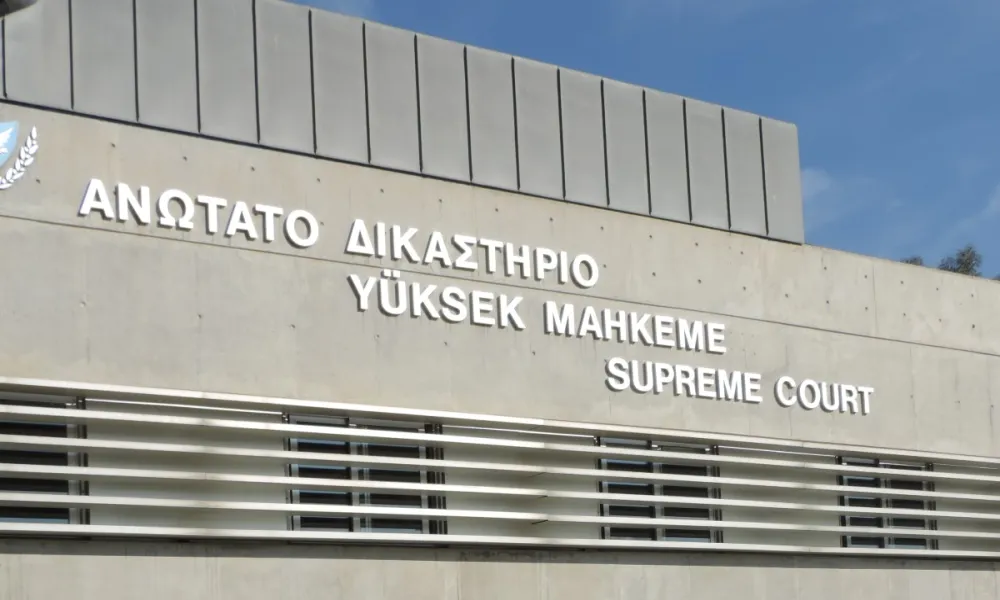

Cyprus' Supreme Court will refer to its full bench a case examining whether police can access telecommunications data held by service providers for commercial and billing purposes during investigations into serious criminal offences.
In a ruling dated 11 September 2026, a single-judge formation of the Supreme Court decided that an application seeking to overturn a Limassol District Court order authorising access to the applicants' telecommunications data should be heard by the court's Full Bench.
The judge described the matter as one of "exceptional importance and significance", noting that the outcome could affect a large number of cases.
The case stems from a March 2026 order issued by the Limassol District Court granting access to the applicants' telecommunications data. The applicants challenged the legality of the order and, in May, obtained leave from the Supreme Court to file an application seeking its annulment.
Serious legal issues raised
According to the ruling, both sides requested that the matter be referred to the Full Bench, citing "the seriousness of the legal issues raised", "the large number of cases that will be affected by the outcome" and "conflicting decisions" issued by single-judge formations of the Supreme Court in related cases.
At the heart of the case is whether, in light of the jurisprudence of the Court of Justice of the European Union, authorities may be granted access to data retained by telecommunications providers for a different purpose, namely "commercial purposes/billing purposes", when such data are sought for the investigation and prosecution of serious criminal offences.
In referring the case to the Full Bench, the Supreme Court said it agreed that the arguments advanced by counsel "justify the collective consideration and judgment of the Full Bench of the Supreme Court", while also strengthening "the element of binding authority for all through it".
The forthcoming ruling is expected to clarify a key legal question concerning privacy rights, data retention and the powers available to law enforcement authorities in serious criminal investigations.
Source: CNA.