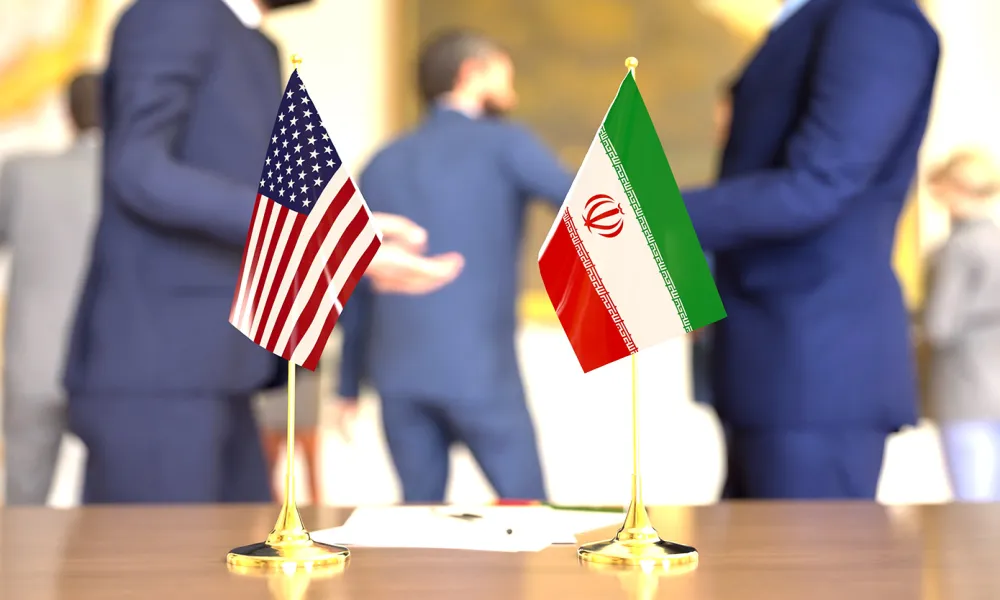

The United States and Iran are close to signing a memorandum of understanding that includes a 60-day extension of their current ceasefire, according to reports by the news website Axios citing an American official. Under the terms of the proposed draft, the strategically vital Strait of Hormuz would reopen to commercial maritime traffic, allowing Iran to freely resume its oil exports while bilateral negotiations take place regarding restrictions on Tehran’s nuclear programme.
However, the Iranian armed forces issued a statement emphasizing that Iran will maintain sovereign control over the Strait of Hormuz. The military declaration followed an announcement by US President Donald Trump, who stated on social media that the critical maritime artery could soon reopen completely.
Conflicting positions on maritime sovereignty
An Iranian military spokesperson clarified via social media that the shipping lane, which is essential for global oil and gas markets, will continue to remain under Iranian national sovereignty and management even if a formal agreement is finalized between Washington and Tehran.
Concurrently, the Iranian news agency FARS reported that the US President's assurances regarding a total return to the pre-war status quo do not correspond to the reality of the ongoing negotiations. Iran has previously suggested it intends to maintain oversight or potentially implement a toll system for certain vessels navigating the waterway.
Writing on Truth Social, President Trump affirmed that a framework agreement to end the war with Iran is largely negotiated and nearing completion. He noted that the proposed terms incorporate the opening of the Strait, though he added that specific aspects of the document remain to be finalized by the United States, Iran and other involved nations.
Pakistan prepares for next diplomatic round
In a separate development, Pakistan, acting as the primary mediator between the two countries, expressed its intention to host a new round of face-to-face negotiations in the near future. Prime Minister Shehbaz Sharif stated that Islamabad hopes to bring delegations from both sides together very soon to advance the peace process and secure a lasting resolution to the conflict in the Middle East.
The first round of direct and indirect talks took place in Islamabad on 11 April but concluded without a comprehensive breakthrough on the most contentious issues. That initial session was attended by US Vice President JD Vance and a senior Iranian delegation that included parliamentary speaker Mohammad Bagher Ghalibaf and Foreign Minister Abbas Araghchi.