
Britain has had six prime ministers in 16 years. Three resigned over self-inflicted crises, one lasted 49 days, one led his party to its worst-ever election defeat, and the last stepped down in June 2026 after his approval rating reached minus 57. As the Labour Party prepares to elect a new leader, the question now is whether the next occupant of Downing Street can break the pattern.
David Cameron (Conservative, 2010–2016)
David Cameron arrived in Downing Street in 2010 and, by 2015, had won an outright majority — a result few had predicted. The victory, however, set in motion his own downfall. Cameron had promised voters a referendum on European Union membership as a way of managing divisions within his own party. He campaigned for Remain. The country voted Leave. He resigned the following morning.
Theresa May (Conservative, 2016–2019)
Theresa May inherited what Cameron had left behind: the task of turning a referendum result into a negotiated reality. She reached a withdrawal agreement with the European Union. Parliament rejected it three times. With no path forward, she resigned in 2019, having failed to deliver the Brexit she was handed the job to implement.
Boris Johnson (Conservative, 2019–2022)
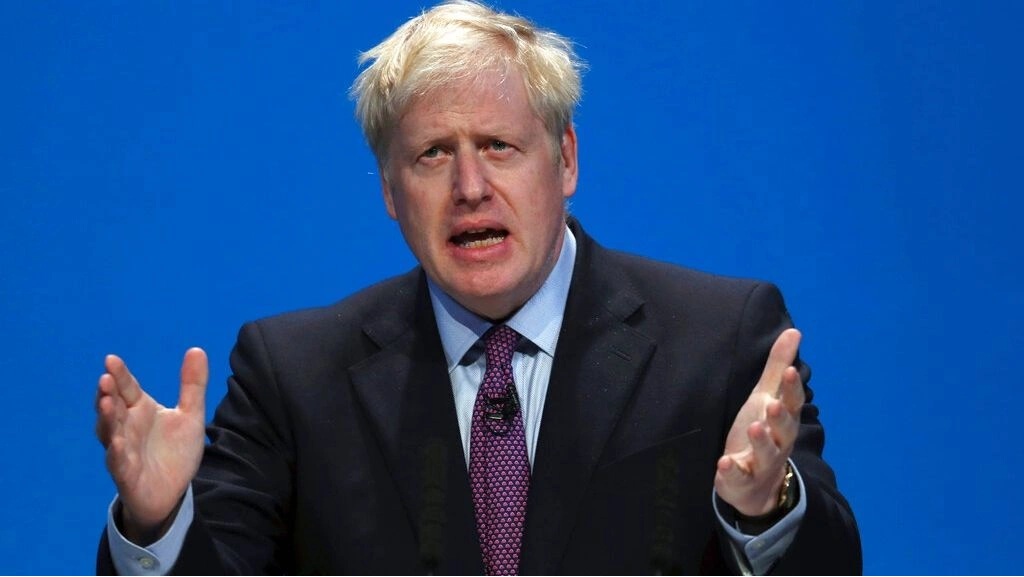
Boris Johnson succeeded where May had not, completing Brexit and winning a commanding majority in the December 2019 general election. His tenure also encompassed the Covid-19 pandemic. What ended his premiership was neither of those: it was Partygate. Gatherings held at Downing Street during national lockdowns triggered a wave of ministerial resignations. Johnson left office in 2022 with the support of his own cabinet having collapsed around him.
Liz Truss (Conservative, September–October 2022)
Liz Truss served 49 days — the shortest prime ministerial tenure in British history. Her government's announcement of unfunded tax cuts prompted immediate turbulence in financial markets, sending the pound to record lows and driving up mortgage rates. She resigned before passing any significant legislation.
Rishi Sunak (Conservative, 2022–2024)
Rishi Sunak took office with the explicit aim of restoring stability after Truss. He achieved a degree of economic calm but was unable to recover the Conservative Party's standing in the polls. In the 2024 general election, the party suffered its worst defeat in modern political history, losing more than 250 seats. Sunak was the only prime minister on this list to be removed by voters rather than by his own party.
Keir Starmer (Labour, 2024–2026)
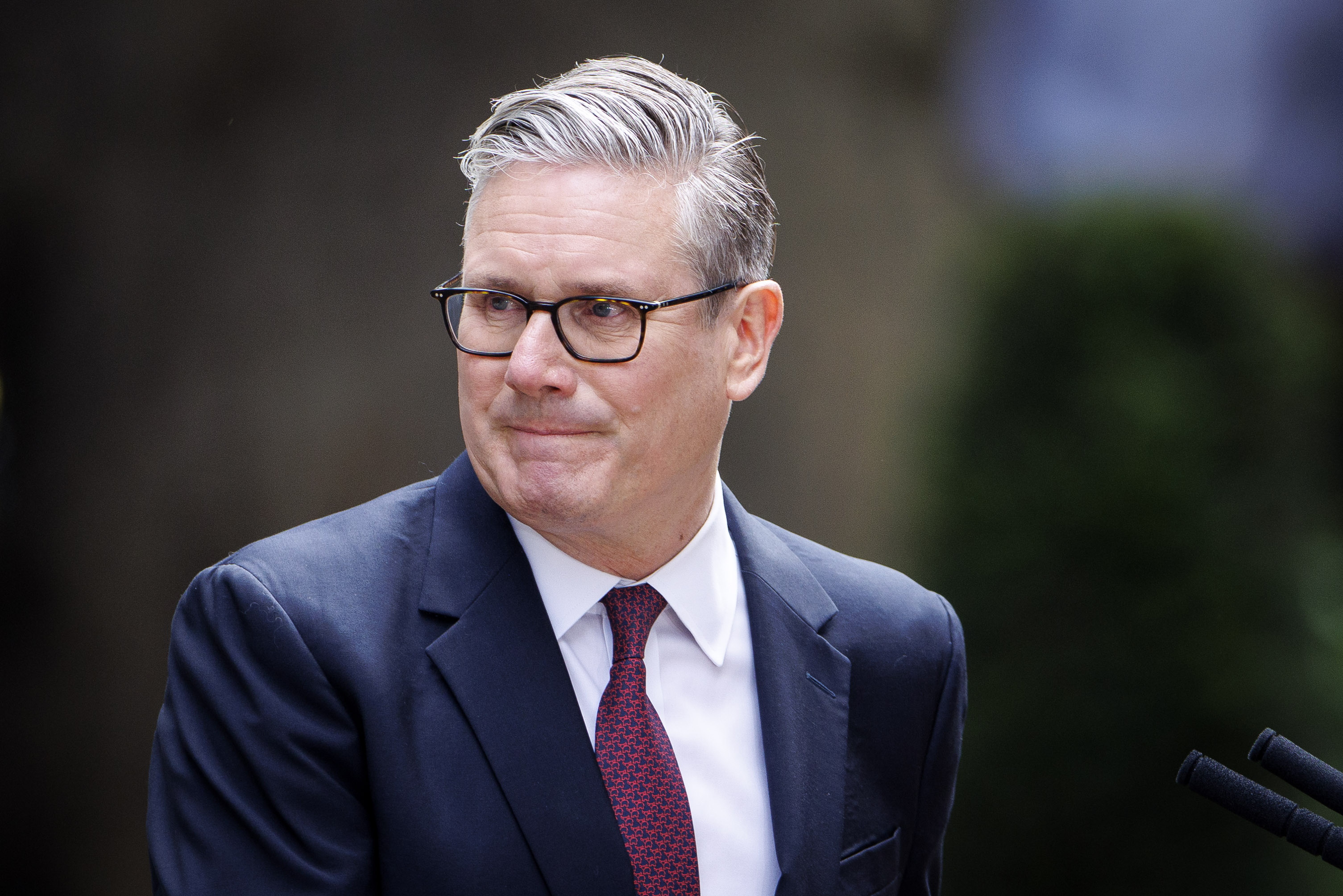
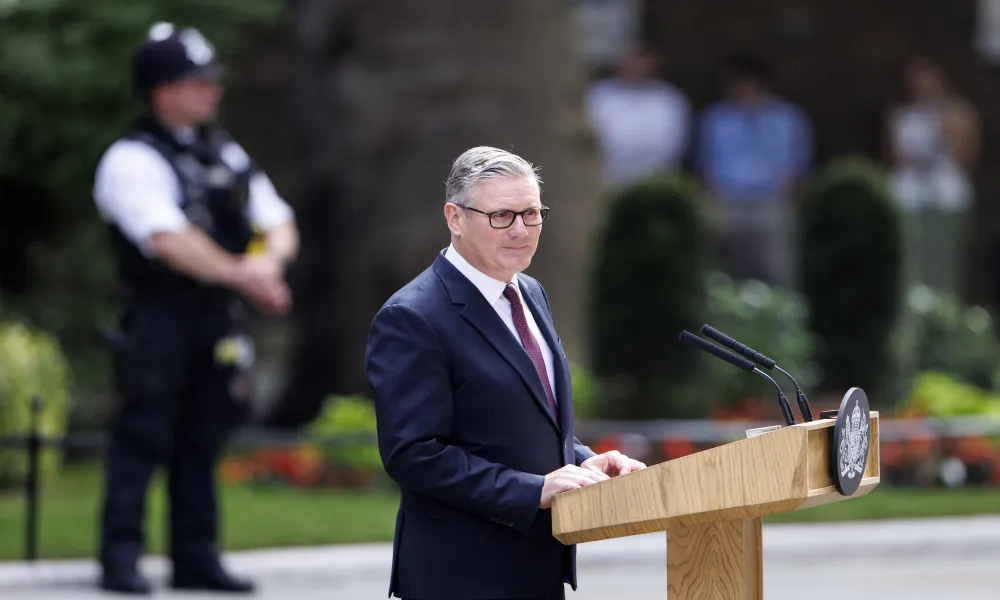
Keir Starmer won the 2024 election with one of the largest parliamentary majorities in Labour's history. Less than two years later, he resigned. His government was damaged by controversy surrounding the appointment of Peter Mandelson as UK ambassador to the United States and Mandelson's reported connections to Jeffrey Epstein — a scandal that prompted the resignation of his chief of staff, Morgan McSweeney. Labour's poor performance in the May 2026 local elections, combined with the continued rise of Reform UK, left Starmer politically isolated within his own party. He announced his resignation on 22 June 2026.
Who comes next?
The Labour Party leadership contest is now under way, with nominations scheduled to open on 9 July and close on 16 July. If more than one candidate qualifies, Labour aims to complete the election before Parliament returns on 1 September.
The frontrunner is Andy Burnham. The former Greater Manchester Mayor returned to Parliament on 18 June 2026 after winning the Makerfield by-election with a majority of over 9,000 votes, having been backed by more than 200 Labour MPs by 20 June. He was the first to declare his candidacy following Starmer's resignation announcement.
Wes Streeting, who had previously indicated he might stand, endorsed Burnham shortly after Starmer's resignation speech and called on the rest of the party to follow suit. Prediction markets currently place Burnham's probability of becoming the next prime minister at 98 per cent.
If Burnham is the only candidate to meet the nomination threshold of 20 per cent of Labour MPs, he would be elected unopposed — and could be in Downing Street as early as 17 July, according to political analysts.
Britain would then have its seventh prime minister in 16 years.