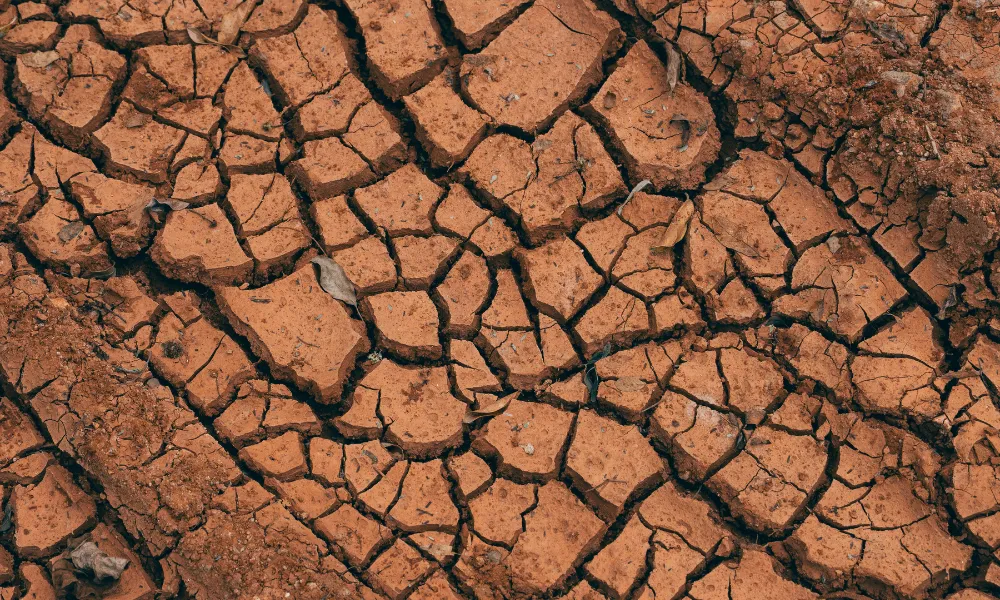

Cyprus farm organisations have warned of possible protest action unless more irrigation water is released, citing growing risks to crops and agricultural production.
In comments to CNA, Panagrarian Union secretary-general Tasos Giapanis said all farming groups had written to the agriculture minister requesting a meeting on water allocation for irrigation.
He criticised a three-year supply plan adopted by the Water Development Department, saying it falls short of farmers’ needs despite improved reservoir levels.
“We are at the end of June, and dam capacity stands at 47% compared with 20% at the same time last year. Given that water is available, we are calling for increased allocations, particularly for seasonal crops,” he said.
Trees need to recover after shock
Giapanis stressed that priority should also be given to permanent crops, such as trees and greenhouse production, which have suffered “shock” in recent years due to prolonged water shortages.
“These crops were given just enough water to survive. They now need sufficient quantities to recover and produce,” he said.
Seasonal crops, including melons and watermelons in Larnaca district, are also at risk, he added, warning that insufficient water could lead to shortages and higher prices.
“If the minimum required water is not provided, we will see reduced production and shortages on the market,” he said.
Concerns over potato production
Giapanis also highlighted concerns in the Famagusta district, a key potato-producing region. Potatoes are Cyprus’ second-largest export after halloumi.
He said farmers have requested additional water allocations from the Southern Conveyor Project, which supplies irrigation water from Paphos to the eastern districts.
“So far, not a single tonne of water has been supplied through the system,” he said.
He warned that without sufficient water for upcoming planting cycles in late August and early September, Cyprus could fail to meet export contracts, risking the loss of markets for years.
“It could take up to a decade for Cypriot potatoes to return to foreign supermarket shelves,” he said.
Farmers also face potential penalties under European Union programmes if they fail to meet production targets tied to approved cultivation plans, through no fault of their own, he added.
“We have asked the government to ensure that farmers are not fined or forced to return funding if they cannot meet obligations due to water shortages,” he said.
Relief or action
Despite limited capacity, Giapanis said some additional supply could come from desalination or recycled water, although infrastructure constraints and delays to planned projects limit their immediate impact.
He noted that legal challenges to a planned mobile desalination unit in Mazotos could delay additional water supply by several years.
Giapanis said the situation was “very serious” and warned that farmers do not rule out taking “dynamic measures” if their demands are not met.
Source: CNA