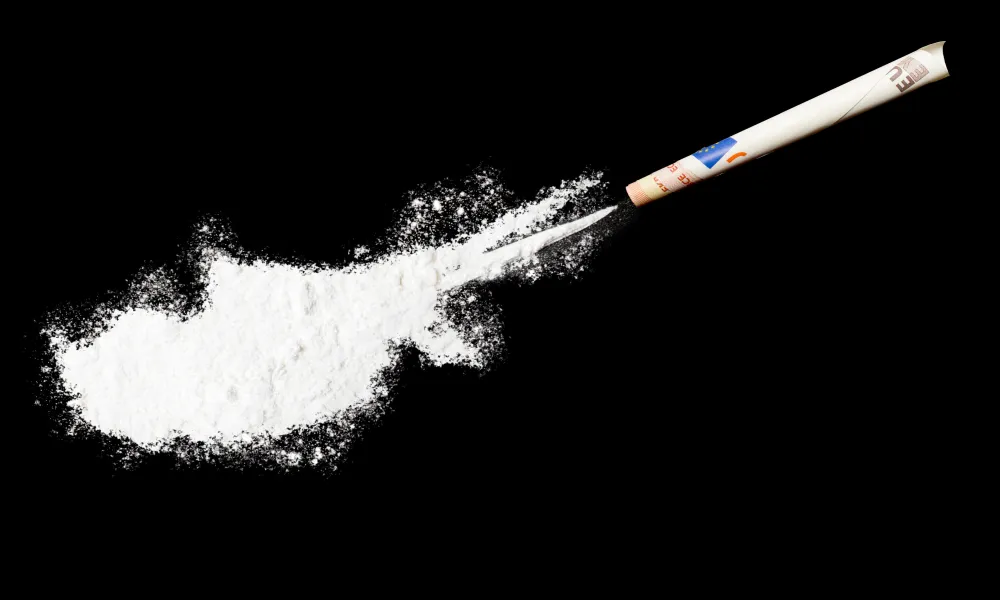

The wastewater flowing beneath Cyprus' cities is providing one of the clearest pictures yet of changing drug consumption patterns on the island.
While Cyprus continues to record lower overall levels of drug use than much of Europe, the latest data indicate a changing landscape, with increases in the use of substances such as cocaine, amphetamine and especially methamphetamine, particularly in tourism hotspots such as Larnaca and Ayia Napa.
At the same time, Tina Pavlou, now Deputy Minister of Social Welfare, warned that the situation has deteriorated in recent years. Speaking while still serving as clinical director of rehabilitation centre Agia Skepi, she pointed to severe psychosis and violence linked to methamphetamine use, emerging ketamine use and cases involving children who began using drugs at the age of 11 through school-based supply networks.
Cannabis remains most widespread
The latest European figures come from the European Union Drugs Agency's (EUDA) largest wastewater study to date, which analysed samples from around 115 cities in 25 countries.
According to the findings:
- Cannabis remains the most widely used illicit drug in Europe, with an estimated 24 million annual users. Overall levels remain relatively stable, with the highest concentrations recorded in countries including the Netherlands, Germany and Slovenia.
- Amphetamine use also remains relatively stable and is especially prevalent in northern and central Europe. Southern Europe, including Cyprus, records substantially lower levels.
- Methamphetamine, historically concentrated in countries such as the Czech Republic and Slovakia, is now appearing more widely, including in Cyprus, although usage remains comparatively low.
- In three out of four cities analysed, cocaine and ecstasy (MDMA) use increases over weekends, reflecting their close association with nightlife.
- Ketamine use also rises during the same periods in roughly half of the cities studied, while cannabis and amphetamines are distributed more evenly throughout the week.
Wastewater data from Nicosia, Limassol, Larnaca, Paphos and Ayia Napa reveal a more complex picture than the broader European trend.
Although overall levels remain lower than in many European countries, significant differences between cities and sharp year-to-year fluctuations highlight the influence of tourism, nightlife and local consumption patterns.
Cocaine records sharp rise
A significant increase in cocaine use was recorded in Larnaca in 2025.
Levels reached their highest point in five years, almost doubling compared with 2024.
Ayia Napa also continued to record elevated use, although below the peak levels seen in 2021.
By contrast, Limassol saw a noticeable decline, falling from nearly 100mg in 2022 and 2024 to below 40mg in 2025.
Nicosia and Paphos remained comparatively stable at moderate levels.
The figures suggest that the centre of cocaine consumption is shifting towards cities with strong tourism activity, with Larnaca emerging as a particularly significant hotspot.
Amphetamine use gradually increasing
Amphetamine use remains relatively low in Cyprus.
However, 2025 saw a clear increase in almost every city.
Limassol and Ayia Napa now exceed 30mg, compared with single-digit levels in 2024.
Paphos recorded substantial fluctuations, while Nicosia remained consistently the lowest-consuming city.
The data suggest that although amphetamines are not yet a dominant substance, their presence is steadily growing.
Methamphetamine shows periodic spikes
Methamphetamine recorded the greatest volatility.
Larnaca stood out in 2025, reaching 64.28mg, comparable to levels recorded in 2022.
Other cities remained at lower levels, although most showed moderate increases compared with previous years.
The overall picture suggests that methamphetamine has not yet become entrenched across Cyprus but is producing periodic spikes in specific regions and periods.
Ecstasy use declines
The data point to a clear downward trend in MDMA (ecstasy) use since 2021, when Ayia Napa recorded exceptionally high levels.
By 2024, consumption had fallen substantially across all cities.
Limassol continued to register the highest levels, but at a much lower scale than in previous years.
The trend mirrors the broader European decline in MDMA use.
Ketamine begins to emerge
Ketamine remains the least widespread substance detected in Cyprus.
In many cases, particularly in previous years, no traces were found at all.
In 2025, however, measurable levels appeared for the first time in cities such as Larnaca and Limassol, while Ayia Napa continued to record no detectable use.
The findings suggest the drug is gradually entering the market but has not yet established a sustained presence.
Tourism factor becoming increasingly visible
One of the clearest conclusions from the data is the variation between cities.
Tourist destinations such as Ayia Napa and, increasingly, Larnaca record higher levels of substances associated with nightlife.
Limassol, previously the leading city for several substances, appears to be losing some of that position.
Drug use in Nicosia remains more stable and relatively lower.
Although Cyprus remains below many European countries overall, the figures indicate a changing market.
Usage patterns are shifting between cities, some substances are becoming more prevalent and new trends are emerging.
The picture is not one of a widespread crisis, but rather of a market gradually following European developments with a delay and with local characteristics.
In other words, the situation remains comparatively moderate for now, but the gap between Cyprus and the rest of Europe may narrow in coming years.
Psychosis and violence raise concern
Pavlou described the emerging picture as deeply worrying.
“We are particularly concerned about the increase in methamphetamine use in areas such as Limassol and Ayia Napa. This substance is becoming a scourge both in Europe and in Cyprus.”
She said the scientific findings reflect trends already visible in treatment services.
“Beyond the results of the research, our experience and scientific work point to increasing substance use and a gradual deterioration in the situation over recent years.”
She devoted particular attention to methamphetamine.
“It is an extremely harmful substance. Beyond its highly addictive nature, it causes psychosis. We are seeing more and more users ending up in serious condition, including hospitalisation at Athalassa Hospital.”
Pavlou also reported an increase in violent behaviour among users.
“It is perhaps the worst substance we have seen in Cyprus to date.”
She also expressed concern about growing ketamine use.
Drug use beginning at age 11
Particularly troubling are findings relating to minors.
Pavlou revealed that Agia Skepi's programme for adolescents aged 13 to 19 includes a 12-year-old participant with a history of cannabis use dating back to the age of 11.
“We see many children beginning drug use at around 14 and remaining involved for one or two years.”
Access to drugs often occurs through peer groups.
“In almost every school there appears to be a circle through which drugs can be obtained. This creates an extremely worrying situation.”
‘Every year is worse than the last’
According to Pavlou, the overall picture continues to deteriorate.
“We can say that every year is worse than the previous one, while conditions have deteriorated significantly over the past three years.”
She described 2025 as the most difficult year in terms of the volume of cases.
Citing official figures, she noted that police recorded around 2,800 traffic offences involving drivers under the influence of substances in 2025, while drug seizures reached 850 kilograms, figures she described as unprecedented for Cyprus.
Pavlou concluded by calling for a coordinated response.
“First, we must recognise as a state the true scale of the problem and then act in an organised way. Policing is important, but it is not enough.”
She argued that greater investment is needed in prevention, demand reduction and coordination among relevant agencies.
Despite the growing challenges, she highlighted one encouraging statistic:
“Agia Skepi's residential programmes record a successful completion rate of around 72%.”
According to Pavlou, that figure demonstrates that effective tools already exist, provided they are properly utilised.