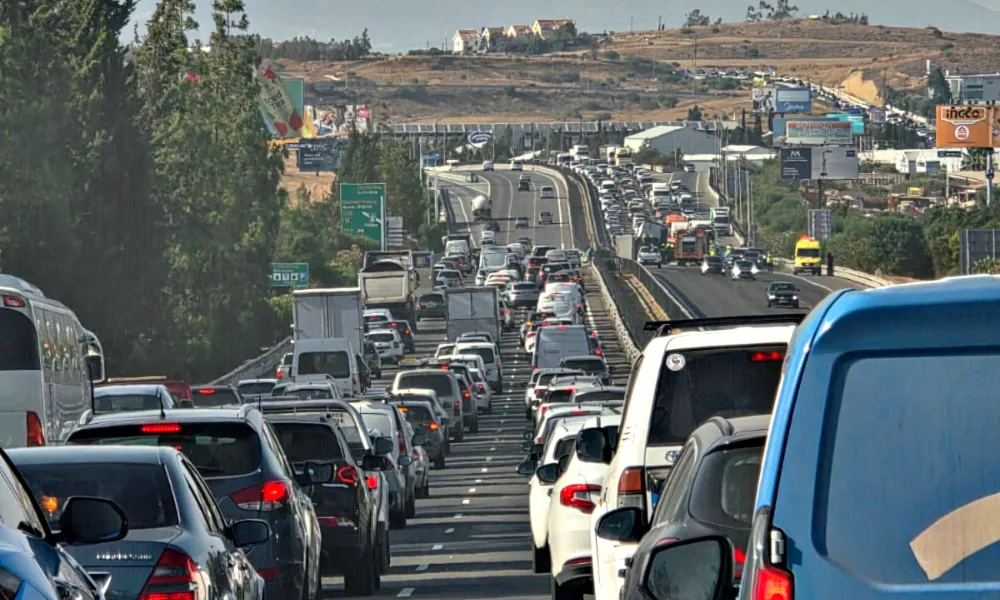

The government is moving to create a unified and comprehensive civil protection system, centred on the position of a National Civil Protection Coordinator, in an effort to fundamentally change the way the Republic of Cyprus prevents and manages major crises and disasters such as fires, earthquakes and floods.
Interior Minister Constantinos Ioannou will present the reform bills to the House Interior Committee at 9am today. The legislation provides for the establishment of a National Civil Protection Mechanism, through which all relevant state services will be coordinated in responding to both natural and man-made crises.
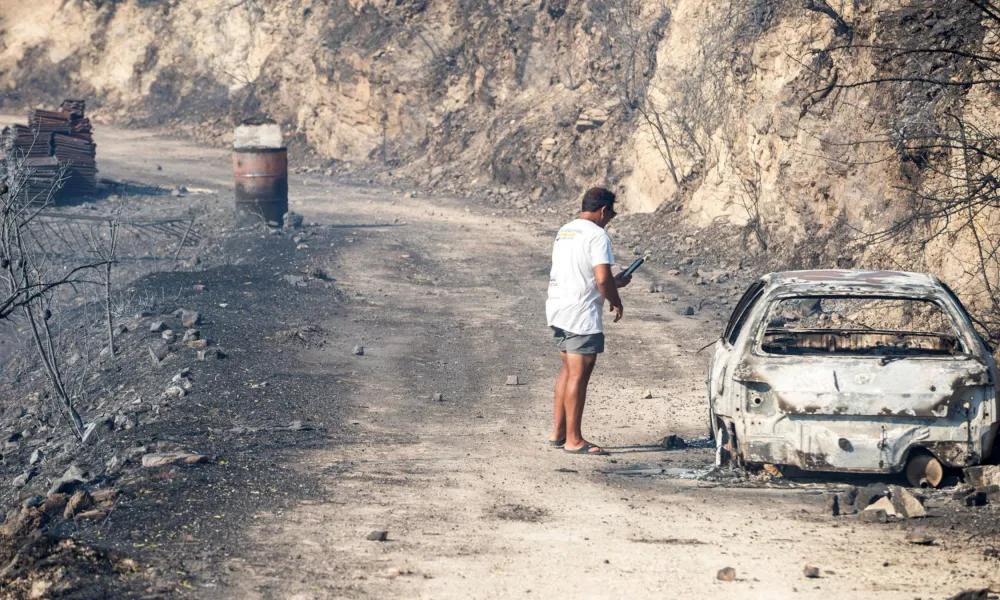
The deadly wildfires in Solea in 2016, Arakapas in 2021 and mountainous Limassol in 2025 demonstrated the need for a more cohesive and resilient civil protection system based on unified planning, clearly defined roles and a mechanism capable of rapidly mobilising and coordinating all available forces and resources on land, in the air and at sea.
Unified operations centre
The legislation will also formally establish the position of National Civil Protection Coordinator, who will head the National Civil Protection Mechanism.
The coordinator will have exclusive responsibility for coordinating the agencies involved during a crisis in relation to the deployment, movement and positioning of forces and resources, regardless of which department or organisation they belong to.
The aim is to replace the current model, under which individual services operate with separate responsibilities, with a unified system based on a common strategy, joint plans and centralised operational coordination.
Tzitzikostas earmarked for role
The Christodoulides government intends to appoint former National Guard chief Georgios Tzitzikostas, who served from 2023 to 2025, as National Civil Protection Coordinator.
His appointment will be made by the Council of Ministers once the reform bills have been approved and become law.
Interior Ministry to change name
Under the proposed legislation, the Interior Ministry will be renamed the Ministry of Interior and Civil Protection.
The Fire Service will be transferred to the new structure from the Ministry of Justice and Public Order.
The government had also considered transferring the Forestry Department, which is involved in forest protection through prevention, preparedness and firefighting operations. However, following strong opposition from employees, that proposal was reconsidered and the department will remain under the Ministry of Agriculture.
A new position of Director-General for Civil Protection will also be established within the Interior Ministry.
The Director-General will supervise all services transferred to the ministry, as well as the Civil Protection Directorate.
The aim is for services that are currently dispersed across different structures to operate under a single, centrally planned and coordinated operations centre.
Permanent scientific council
The reform will not be limited to managing disasters while they are unfolding.
Instead, it is designed to cover the entire cycle of crisis management, from prevention and preparedness to response and recovery.
The legislation therefore provides for the revision of the Special National Plans, stronger training and operational preparedness, and the establishment of a Permanent Scientific Council for Civil Protection.
The council will serve as the scientific pillar of the new system, allowing decisions to make greater use of scientific knowledge and risk analysis.
The government is also linking the reform to the modern European approach to civil protection, which places particular emphasis on prevention, early warning, preparedness, interoperability and cooperation between the relevant authorities.
Reform to be implemented gradually
The new structure will not automatically take effect as soon as the reform legislation is approved.
The date on which the new legal framework begins operating will be determined by a Council of Ministers decision, allowing sufficient time to prepare, staff and organise the new structures and ensure a smooth transition to the new system.
The creation of the National Civil Protection Mechanism is the next step in a reform process that began in October 2023, when the European Commission's DG REFORM approved funding for the project Reform, Development and Strengthening of the Civil Protection System in Cyprus.
The project is being implemented with technical support from the French organisation Expertise France.
Based on recommendations contained in the Expertise France report, the first steps towards developing the mechanism and strengthening the responsibilities of Civil Defence were approved in June 2025.
Under the new decision, all Special National and Operational Plans for natural disasters will also be updated.
The objective is to ensure that they reflect present-day conditions and needs and are incorporated into the new institutional framework being established.