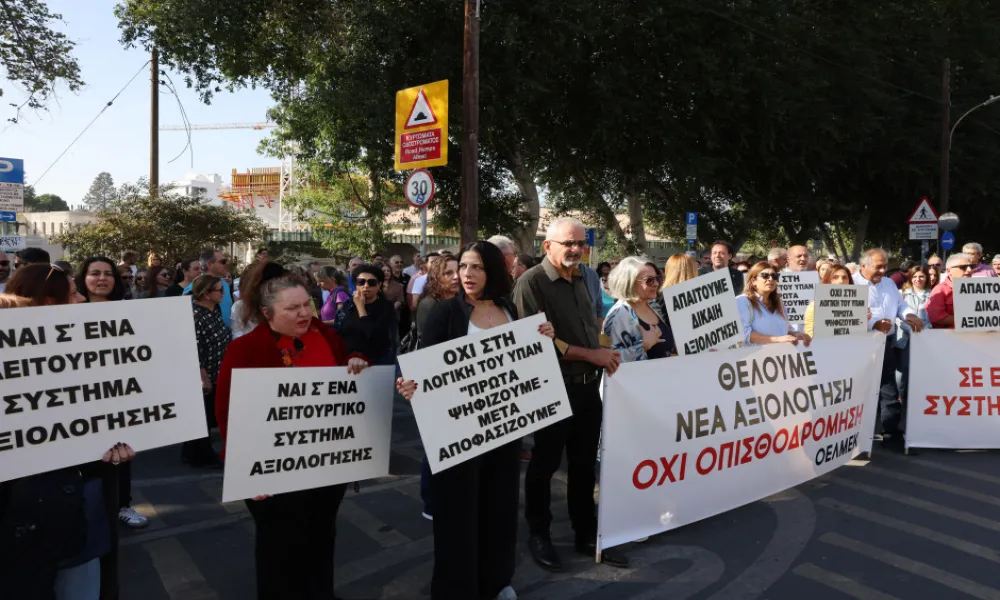

Disability organisations have launched fresh criticism of the Radiomarathon fundraiser, questioning not the financial support it provides but the philosophy, messaging and portrayal of disability that accompany the event.
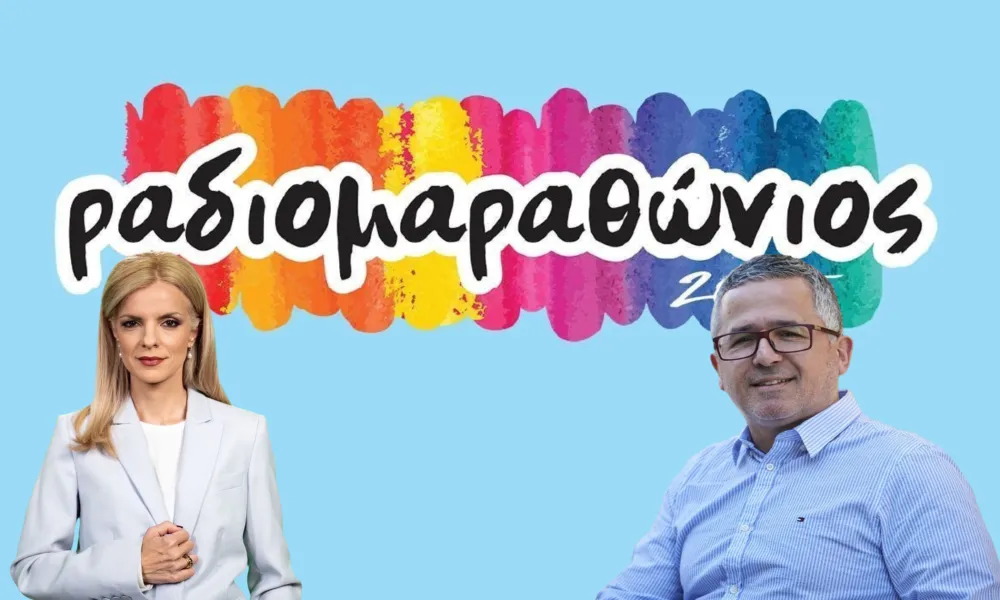
Speaking to Politis Radio, Themis Anthopoulou, president of the Cyprus Confederation of Organisations of the Disabled (KYSOA), and Dimitris Lambrianides, president of the Cyprus Paraplegics Organisation and spokesperson for the Cyprus Federation of Patients' Associations (OSAK), argued that charity cannot replace human rights or the state's responsibility towards persons with disabilities.
"You don't have to love us for us to have rights"
Anthopoulou said KYSOA's main objection concerns the image of disability promoted through the fundraiser.
"The issue is not whether you love persons with disabilities or whether I love persons with disabilities. We are talking about human rights," she said.
She argued that equal participation in society should never depend on charitable goodwill or donations.
Anthopoulou also criticised what she described as a lack of accessibility awareness, citing a photograph she saw on social media showing a Radiomarathon stand placed on a tactile paving route used by visually impaired people.
"How can you organise a Radiomarathon and not know that you cannot block access?" she asked.
A role in the past, but not adapted to the present
Anthopoulou acknowledged that Radiomarathon played a significant role during its early years.
She referred to her own involvement with the event between 2003 and 2008 while working alongside the then First Lady, noting that many people with disabilities were largely invisible in public life at the time and often isolated within their homes.
According to her, the fundraiser helped raise awareness and bring disability issues into public view.
"But we are not talking about 30 years ago. Societies have changed," she said, arguing that the institution has not sufficiently adapted to contemporary understandings of disability, inclusion and equal rights.
Criticism of political photo opportunities
Anthopoulou was particularly critical of the public profile given to politicians and other public figures during the fundraising campaign.
She recounted the experience of a parent of a child with a disability who had reportedly struggled for months to secure a meeting with a political leader regarding a serious issue affecting their child, while seeing the same politician publicly photographed donating to the fundraiser.
Such images, she argued, raise legitimate questions about whether public displays of social sensitivity are matched by meaningful political action.
Questions over corporate participation
Anthopoulou also raised concerns about the involvement of insurance companies.
She argued that children born with disabilities can face barriers to obtaining insurance coverage and questioned whether companies that participate in fundraising initiatives are acting consistently.
"You cannot say you are contributing to Radiomarathon while at the same time refusing to insure children with disabilities," she said.
Calls for a different model
Lambrianides argued that the institution should evolve to reflect a rights-based approach to disability and make better use of the large number of volunteers who support the fundraiser every year.
He also called for greater focus on major gaps in disability services, particularly supported-living structures and long-term care arrangements for adults with disabilities.
According to the disability representatives, public discussion should move beyond charity and centre instead on accessibility, inclusion, equal participation and the state's obligations towards citizens with disabilities.