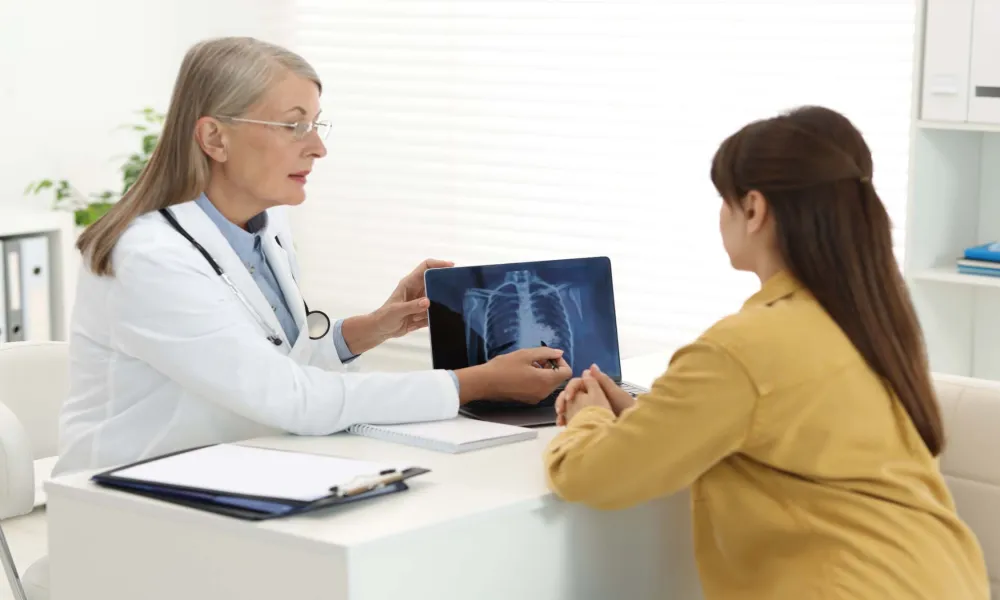

Cancer remains the world's second-leading cause of death after cardiovascular disease, claiming more than 26,000 lives every day. Around 20.6 million new cases and 10 million deaths are currently recorded each year, and without stronger action those figures are expected to climb sharply over the coming decades.
The World Health Organization (WHO) warns that annual cancer cases could reach 35 million by 2050, driven by population growth, ageing populations and persistent risk factors. At the same time, access to prevention, diagnosis, treatment and supportive care remains deeply unequal across the globe.
"Whether a person survives cancer should never depend on where they were born or how much they earn," WHO Director-General Dr Tedros Adhanom Ghebreyesus said, arguing that many of the disparities highlighted in the report are the result of policy choices rather than unavoidable realities.
The inequalities are particularly stark when comparing rich and poor countries. While 87 per cent of women diagnosed with breast cancer in high-income countries survive at least five years after diagnosis, the corresponding figure falls to 42 per cent in low-income countries. Fewer than one-third of countries currently include comprehensive cancer care within their universal health coverage systems.
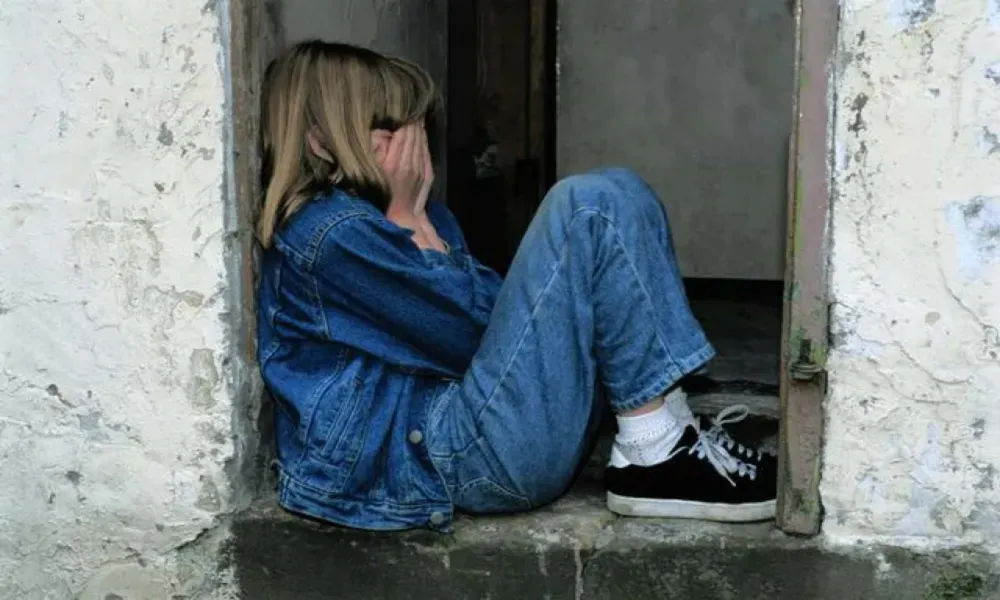
Cancer's impact extends far beyond health. The WHO found that at least 45 per cent of cancer patients face financial hardship, while more than half experience mental health challenges. Caregivers also carry a significant burden, with many reporting social isolation, emotional strain and extensive unpaid care responsibilities.
Regional disparities
Cancer's global burden is unevenly distributed.
Asia accounted for more than half of all cancer cases (50.7 per cent) and deaths (56.5 per cent) in 2024, reflecting the region's large population. Europe, meanwhile, bears a disproportionately high burden, representing 21 per cent of global cases and 20 per cent of cancer deaths, despite containing only around 9 per cent of the world's population.
By contrast, many countries in Africa and parts of Asia report lower incidence rates but significantly higher mortality rates, often reflecting delayed diagnoses and limited access to treatment.
Most common cancers
Lung cancer remains the leading cause of cancer death worldwide.
Among men, lung, prostate and colorectal cancers are the most commonly diagnosed forms of the disease. Among women, breast, lung and colorectal cancers are the most prevalent.
Prevention remains key
The report notes that nearly four in ten cancers are linked to preventable risk factors.
These include tobacco use, alcohol consumption, obesity, physical inactivity and unhealthy diets. Infections also play a major role, particularly the human papillomavirus (HPV), hepatitis B and C, and Helicobacter pylori.
Dr Elisabete Weiderpass, director of the WHO's International Agency for Research on Cancer (IARC), said progress has been made where effective prevention policies have been implemented, but warned that advances remain too slow.
She noted that rising obesity rates, sedentary lifestyles, poor diets and air pollution are increasingly shaping the future cancer burden and argued that cancer prevention must remain a public policy priority.
Progress and ongoing challenges
The report highlights some positive developments.
Global tobacco use has fallen by 27 per cent since 2010, helping reduce lung cancer rates in some regions. Vaccination campaigns, improvements in sanitation and better infection control have also contributed to declines in cancers linked to infectious diseases.
In addition, 82 per cent of countries now have national cancer control plans, up from 50 per cent in 2010.
Scientific innovation is also accelerating. Registered clinical trials increased at an annual rate of 7.3 per cent between 2005 and 2021, while screening programmes in wealthier countries have improved early detection rates for breast and cervical cancer.
However, these gains are not being translated into life-saving outcomes quickly enough.
The availability of essential cancer medicines remains highly uneven. Access to the 20 priority cancer drugs ranges between 68 and 94 per cent in high-income countries, compared with just 9 to 54 per cent in low- and middle-income countries.
Putting patients at the centre
The WHO argues that cancer care must become more people-centred and calls for governments, international organisations, civil society, researchers and the private sector to work together more effectively.
The report identifies three priorities:
- Better capacity: Integrating cancer care into universal health coverage and investing in healthcare workers and cancer prevention.
- Better protection: Placing patients and survivors at the centre of cancer policies while strengthening social protection systems.
- Better value: Aligning research and innovation with public health needs and ensuring equitable access to effective treatments.
The report concludes that decisions taken today will determine the cancer burden faced by future generations. With targeted investments, stronger prevention policies and a commitment to equity, countries can reduce cancer deaths and improve outcomes for patients worldwide.
Source: vita.gr