
Healthy eating is not only about what you eat, but also about how you combine foods. Certain nutrients are better absorbed when consumed together, a phenomenon known as nutrient synergy. By making a few smart pairings, you can increase the nutritional value of everyday meals while enhancing flavour.
Asparagus and olive oil
Vitamins A, D, E and K are fat-soluble, meaning they require fat to be absorbed effectively by the body.
Asparagus is a good source of vitamin E, and adding a small amount of extra virgin olive oil can help improve the body's ability to absorb it. The same applies to vegetables such as spinach, broccoli, carrots and sweet potatoes. A drizzle of olive oil can therefore enhance both taste and nutritional benefits.
Vegetables with nuts and seeds
Adding almonds, walnuts, flaxseeds or sunflower seeds to salads can significantly increase their nutritional value.
Nuts and seeds provide healthy fats that aid the absorption of fat-soluble vitamins. They also contribute fibre, plant-based protein and important minerals, turning a simple salad into a more balanced and filling meal.
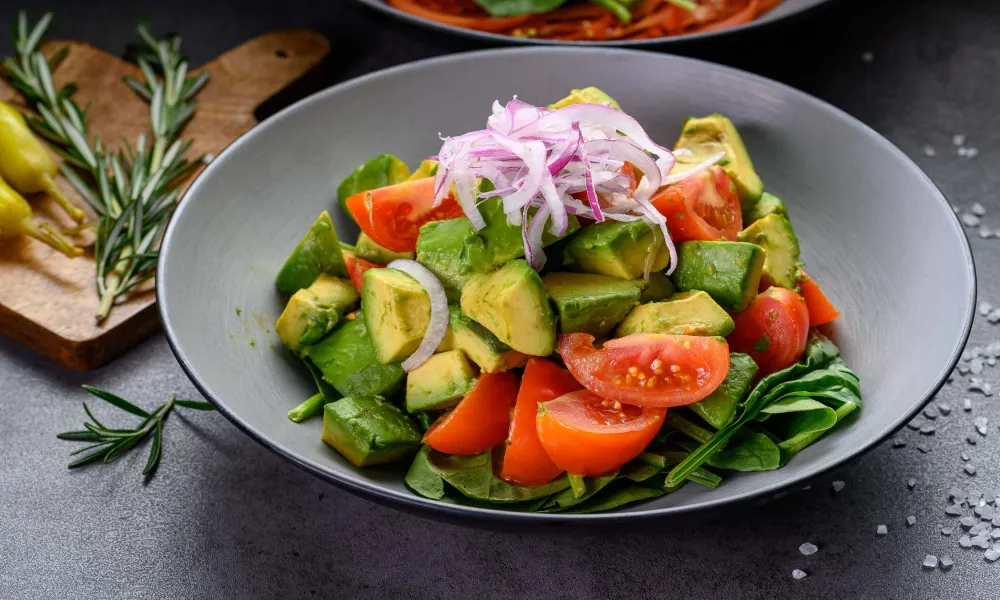
Tomatoes and avocado
Tomatoes are rich in lycopene, a powerful antioxidant associated with heart health.
Lycopene is absorbed more efficiently when paired with healthy fats. Avocado, olive oil and nuts help maximise its uptake, making a tomato-and-avocado salad both delicious and highly nutritious.
Protein and vitamin C
Collagen, which supports healthy skin, joints and connective tissues, requires both protein and vitamin C for its natural production.
Combining yogurt with fresh berries, fish with lemon, or legumes with peppers provides the nutrients needed to support collagen synthesis.
Legumes and peppers
The iron found in lentils, chickpeas and beans is less easily absorbed than the iron found in animal products.
Vitamin C can enhance absorption significantly, making peppers, tomatoes and freshly squeezed lemon juice ideal additions to legume-based meals. This combination can be particularly beneficial for people following vegetarian or plant-based diets.
Turmeric and black pepper
Turmeric is known for its antioxidant and anti-inflammatory properties, but its active compound, curcumin, is not easily absorbed on its own.
Black pepper contains piperine, a compound that dramatically increases curcumin's bioavailability. Adding a pinch of freshly ground black pepper to soups, vegetables or pulses containing turmeric can help unlock more of its benefits.
Yogurt and berries
Combining probiotics and prebiotics is considered particularly beneficial for gut health.
Yogurt contains probiotics, the beneficial bacteria that support digestion, while berries provide fibre and natural compounds that act as prebiotics, feeding those bacteria. Together, they help promote a healthier gut microbiome, which is linked to better digestion, immunity and overall wellbeing.