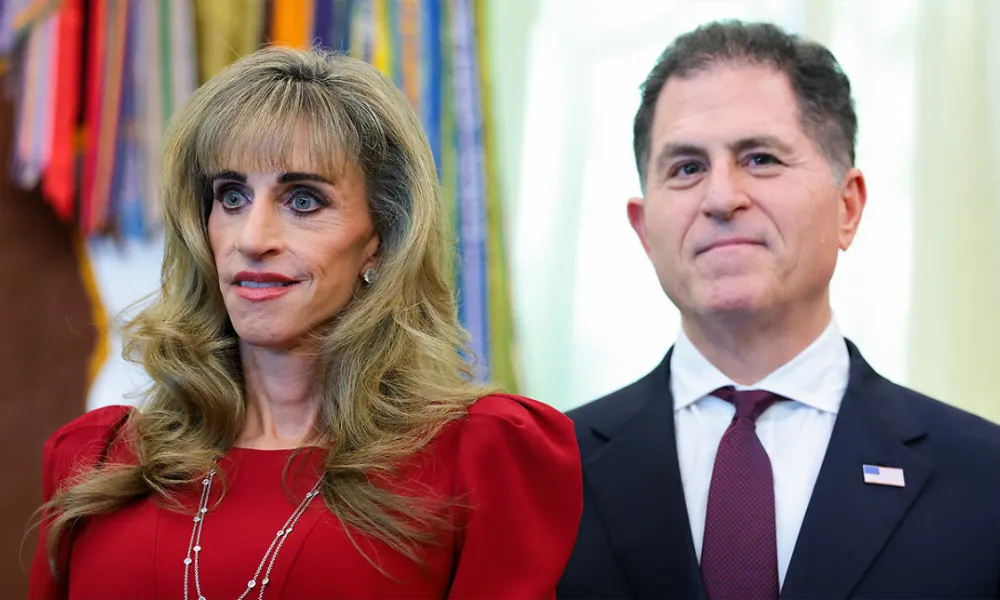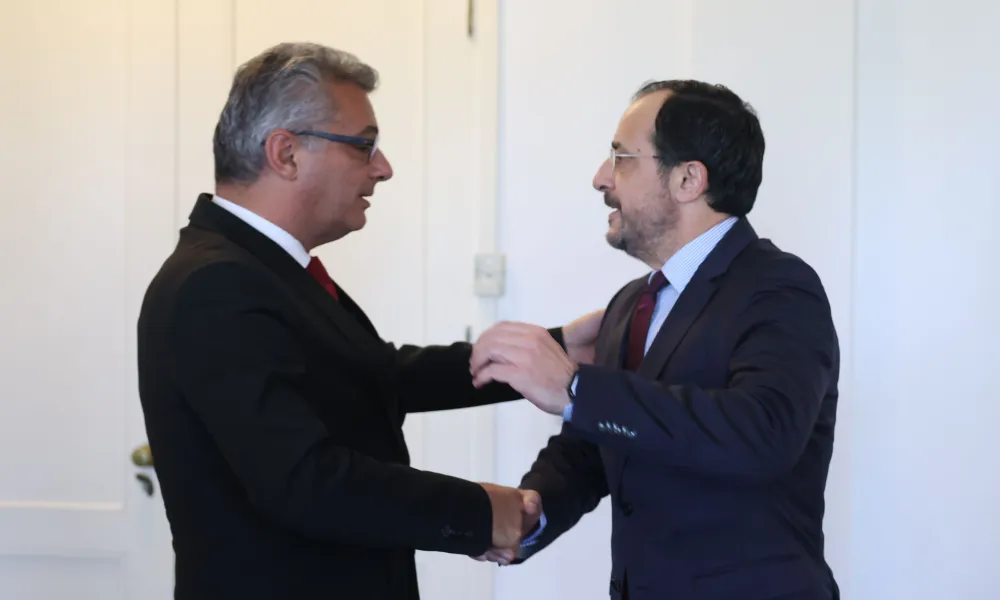

The resignation of Kimberly Guilfoyle as US ambassador to Greece, following a request from the White House amid allegations of ethical misconduct that she denies, has prompted comparisons with one of the most turbulent episodes in US-Greek relations.
According to the report, the last comparable departure of a serving US ambassador under extraordinary circumstances dates back to 1974, when ambassador Henry Tasca left Athens during the aftermath of the coup against Archbishop Makarios, Turkey's invasion of Cyprus and the collapse of Greece's military dictatorship.
Guilfoyle's exit
Guilfoyle submitted her resignation on 13 October after reports linked her to alleged financial dealings and the use of political connections for personal benefit. She has rejected the accusations and says she intends to defend her reputation.
Her departure was announced by newly appointed White House press secretary Katie Zacharia.
The 1974 precedent
The article revisits the tenure of Henry Tasca, who served as US ambassador to Greece from January 1970 during the presidency of Richard Nixon.
Tasca's term coincided with military rule in Greece and growing tensions over Cyprus. Following the Athens-backed coup against President Makarios in July 1974 and the subsequent Turkish invasion of Cyprus, anti-American sentiment intensified and Tasca became increasingly associated in the public mind with Washington's support for the junta.
Reported disagreements with Kissinger
The report cites historical accounts suggesting that Tasca's departure was linked to disagreements within the US administration over the handling of the Cyprus crisis.
According to testimony recorded by the Association for Diplomatic Studies and Training (ADST), then secretary of state Henry Kissinger favoured replacing Tasca. Following Nixon's resignation after the Watergate scandal and the arrival of Gerald Ford in the White House, Jack Kubisch was selected as Tasca's successor.
The article also references declassified US State Department documents indicating that American diplomatic efforts before the coup against Makarios were viewed internally as weak and indecisive. One document notes objections by the US embassy in Athens to stronger warnings being delivered to the Greek regime.
Resignation during the Cyprus conflict
Ford nominated Kubisch on 13 August 1974, as the second phase of Turkey's military operation in Cyprus was under way.
Two days later, French newspaper Le Monde reported that Tasca had resigned. According to the article, he had become a symbol of perceived American support for the dictatorship, and his departure reflected Washington's effort to adapt to the new political realities in Greece.
Official US State Department records show that Tasca's tenure formally ended on 16 September 1974.
A historical parallel
The article notes significant differences between the two departures.
Tasca's exit occurred amid a major geopolitical crisis, involving the Cyprus invasion, the end of the Greek junta and tensions over US foreign policy. Guilfoyle's resignation, by contrast, stems from allegations relating to her conduct as ambassador, which she strongly denies.
Nevertheless, both cases share a common feature: the premature departure of the head of the American diplomatic mission in Athens following a crisis that drew attention in Washington.