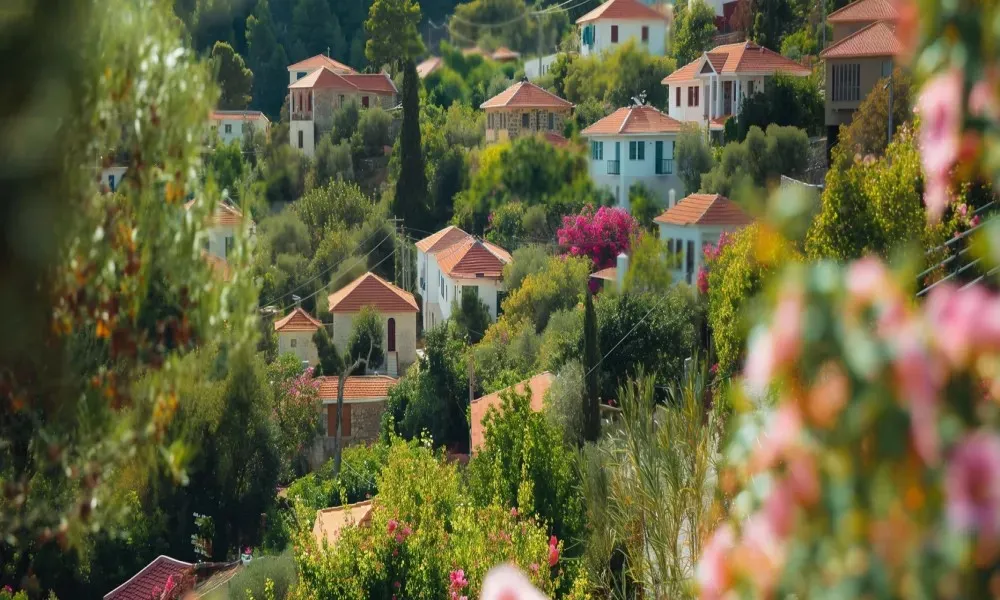

The 33,000 residents of the 161 mountain communities of the Troodos region perform a vital public service. They keep villages alive, preserve cultural heritage, sustain local economies, prevent rural abandonment and contribute to environmental protection and social cohesion.
Their contribution cannot be taken for granted. The state has a responsibility to recognise it through incentives that offset the disadvantages of living and working in mountainous areas. Life in Marathasa, Solea or Pitsilia is fundamentally different from life in Nicosia or Limassol, with greater distances, more limited access to services, fewer employment opportunities and additional challenges for businesses.
Rural communities need more than grants
As highlighted by community leaders in recent reporting by Politis, the challenges facing mountain villages are not simply local problems. They reflect a broader failure to ensure that life outside urban centres remains viable.
Young people are encouraged to return to their villages, yet many lack affordable housing, employment opportunities or access to services that city residents consider routine. Businesses face similar obstacles, often struggling with licensing requirements and administrative barriers despite the availability of support schemes.
Four proposals for mountain areas
Based on concerns raised by local communities, the newspaper suggests four possible policy measures:
- Rental subsidies for several years for young people relocating to mountain communities, including residents who lack the resources to build or buy a home.
- Expanded housing incentives, or a dedicated scheme encouraging retirees to permanently relocate to mountain areas, with the aim of increasing population and supporting local economies.
- Additional support for families with children who commit to permanent residence in mountain communities.
- Significant annual tax incentives for new and existing businesses operating within the areas covered by the mountain development strategy.
Tailored policies for unequal conditions
Such measures would not solve every challenge facing Cyprus' mountain communities. However, they could form part of a broader policy approach that takes the realities of rural and mountainous life into account when designing state interventions.
The central argument is straightforward: equal treatment does not always mean identical treatment. When conditions are unequal, different measures may be necessary to create genuinely equal opportunities.