Prices increased by 4.2% annually in May, up from 3.8% in April – a rapid acceleration just months before midterm elections.
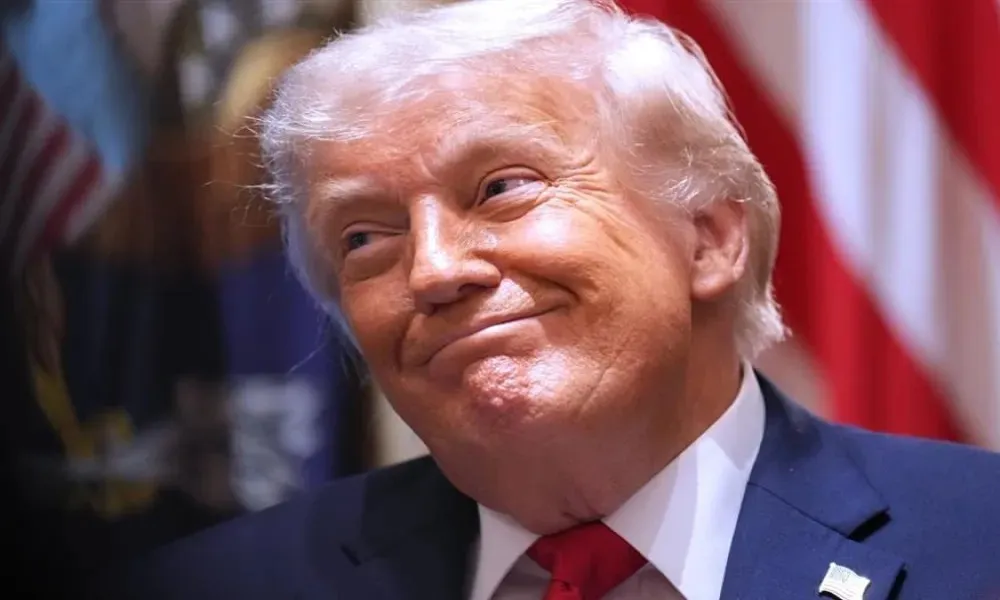
Trump appeared unfazed, responding in an unexpected way. “The numbers are great… I love inflation,” he said in the Oval Office, adding that prices would “fall like a rock” once the war against Iran ends.
During his 2024 campaign, Trump had promised to boost Americans’ purchasing power.
Senate Democratic minority leader Chuck Schumer criticised the comments, saying: “Trump really said ‘I love inflation.’ On camera. For all Americans to hear. His contempt for you knows no bounds.”
Republican House Speaker Mike Johnson countered that the remark had been “taken out of context."
Data confirm a sharp rise in prices since the outbreak of the war, following US–Israeli strikes on Iran on 28 February.
Iran responded by effectively closing the Strait of Hormuz, a critical route for energy transport, driving up oil prices and related products such as plastics and fertilisers.
The consumer price index (CPI), which had been easing towards the end of 2025 and stabilising around 2.4% in early 2026, surged again in March – reaching its highest level since April 2023.
At the same time, wages rose by an average of 3.4%, a slower pace than inflation.
Fuel prices, up 40.5% annually, largely explain the surge.
Another indicator shows price increases are more widespread: core inflation – excluding energy and food – rose to 2.9% from 2.5% in February.
Airfares increased sharply (+26.7%), while vehicle maintenance (+6.1%) and hospital care (+5.7%) also became more expensive.
Peak or plateau?
Some analysts believe inflation may ease in the coming months.
“We believe inflation has peaked and will slow in the second half of 2026, provided a deal with Iran reopens the Strait of Hormuz soon,” said Nationwide economist Kathy Bostjancic.
Oxford Economics economist Nancy Vanden Houten also sees signs of a peak, citing recent declines in fuel prices.
Others are more pessimistic. KPMG economist Diane Swonk expects inflation to remain elevated, warning of a “plateau.”
She noted that supply chain disruptions caused by the war will not be resolved immediately even if the conflict ends, suggesting the US Federal Reserve may need to raise interest rates further.
The Fed, which targets inflation around 2%, currently expects the shock to be temporary.
There is little doubt it will keep monetary policy unchanged at its next meeting.
This will be the first meeting of the Federal Reserve’s policy committee under Kevin Warsh, appointed by Trump to succeed Jerome Powell. The president has made clear he expects a more accommodative approach to support the economy.
Before his appointment, Warsh had supported rate cuts, but conditions have since changed significantly.