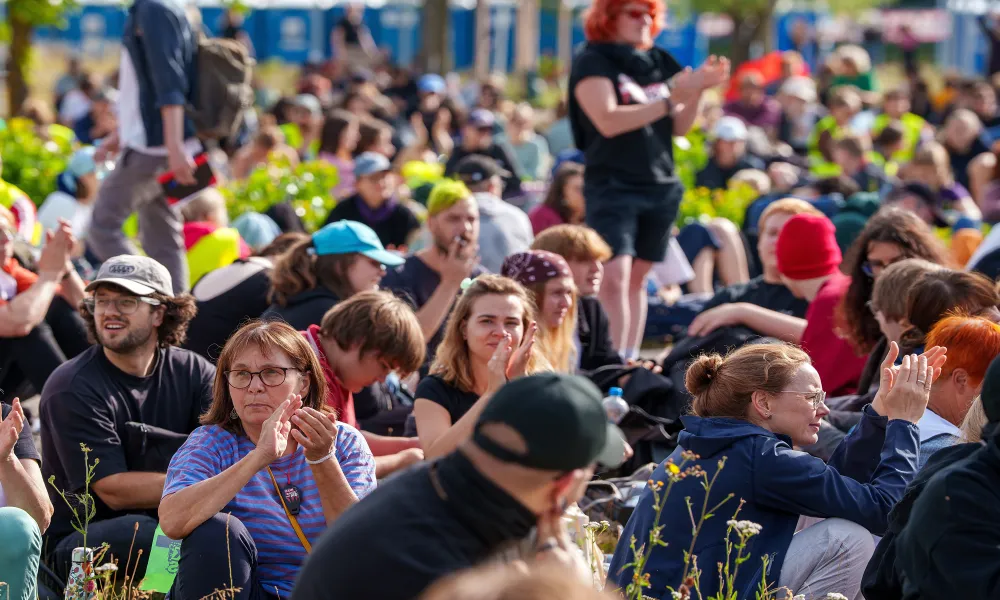

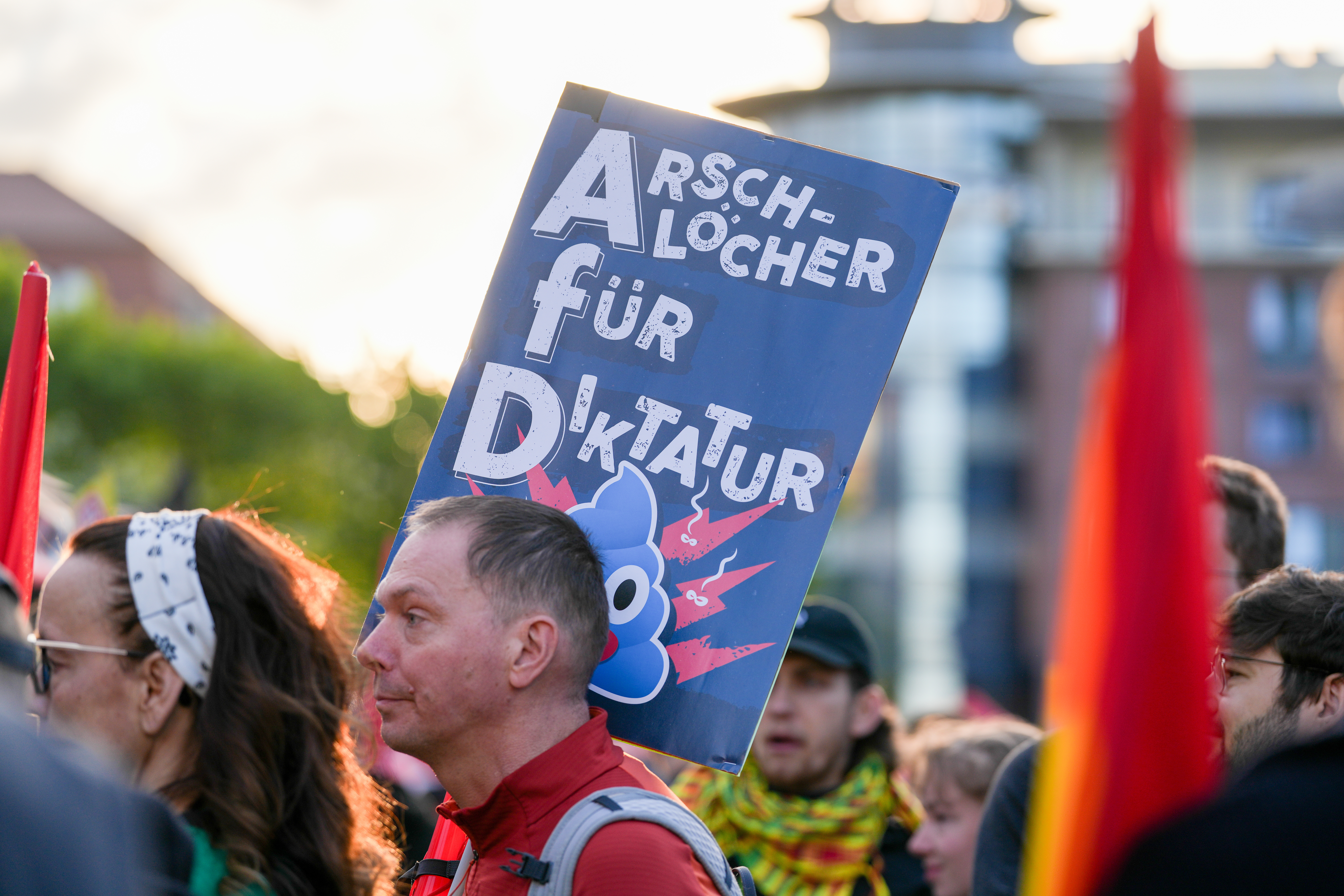
Around 20,000 people took to the streets of Erfurt on Saturday to protest against the far-right Alternative for Germany, as the party gathered for a conference that could set the stage for its first entry into power at state level.
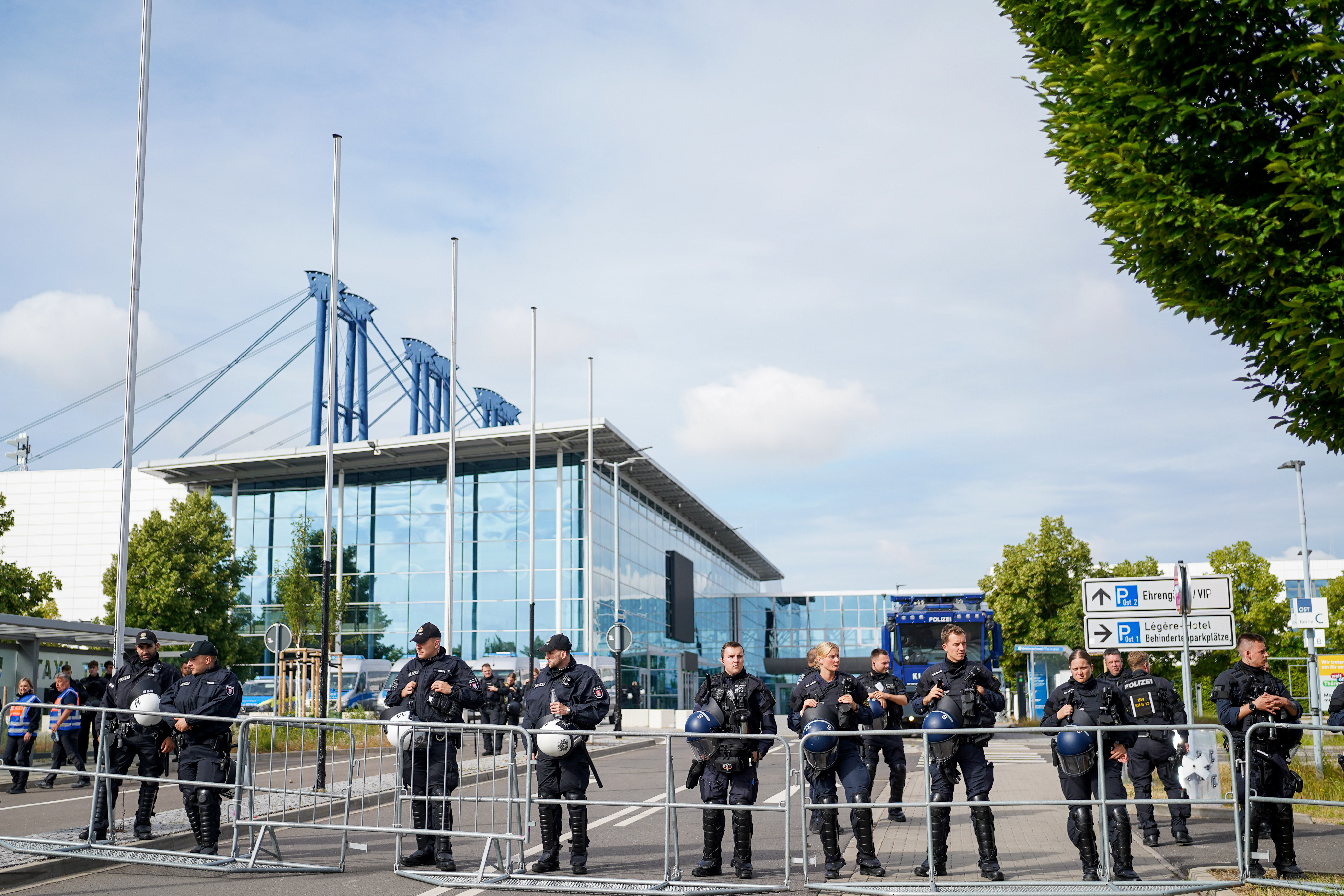
Trade unions, civil society organisations and left-wing groups joined demonstrations across the eastern German city. Protesters staged sit-ins and blocked motorways and other routes leading to the conference centre, while thousands of police officers were deployed from across Germany.
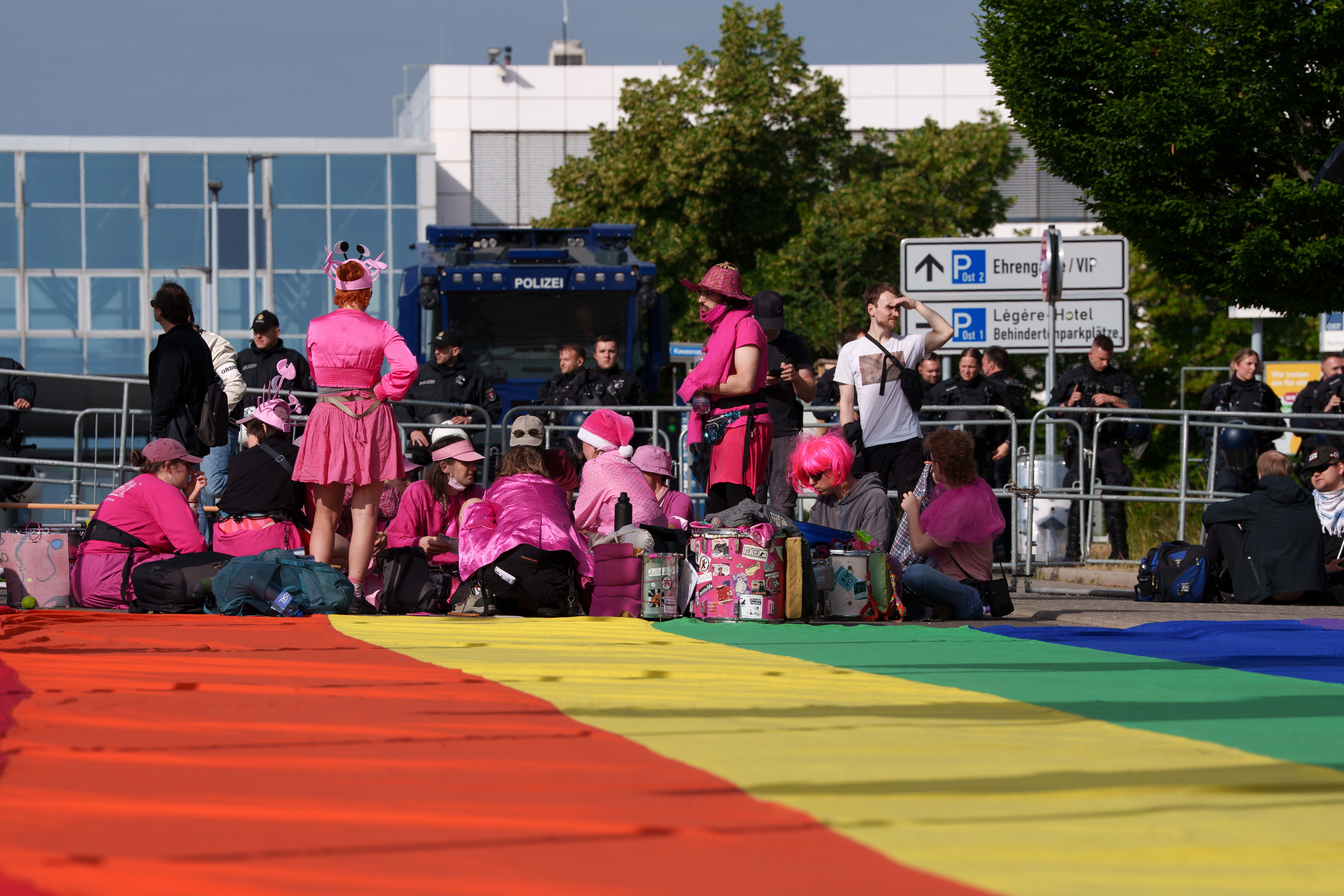
Officers used pepper spray during clashes with some demonstrators, while hundreds of protesters temporarily occupied sections of the A71 motorway. Despite the disruption, the AfD conference began on schedule after most of the roughly 600 delegates arrived several hours early under police protection.
“We want to make it clear that we simply will not tolerate this, that fascism is on the rise here in Germany,” said Georg Becker, a spokesperson for Widersetzen, an umbrella organisation campaigning against the AfD.
AfD co-leaders Alice Weidel and Tino Chrupalla are seeking new terms at the two-day gathering, where the party is aiming to project unity and momentum before elections in Saxony-Anhalt and Mecklenburg-Western Pomerania.
AfD eyes historic breakthrough
The party has gained support by combining demands for tighter immigration controls with nationalist rhetoric and appeals to voters frustrated by Germany’s sluggish economy and established political parties.
Recent polls have placed the AfD at around 29 per cent nationally, ahead of Chancellor Friedrich Merz’s CDU/CSU alliance on approximately 22 per cent. Its strongest support remains in eastern Germany, where it is hoping to turn its polling lead into political power.
In Saxony-Anhalt, the AfD is targeting more than 40 per cent of the vote in September’s state election. Such a result could bring it close to an outright majority or leave it in a position to seek support from individual lawmakers, potentially opening a path to its first state government.
Germany’s mainstream parties continue to rule out cooperation with the AfD under the political “firewall” intended to keep the party out of governing coalitions. The AfD rejects accusations that it threatens Germany’s democratic order and says efforts to isolate it disregard the choices of millions of voters.
Source: CNA - Reuters