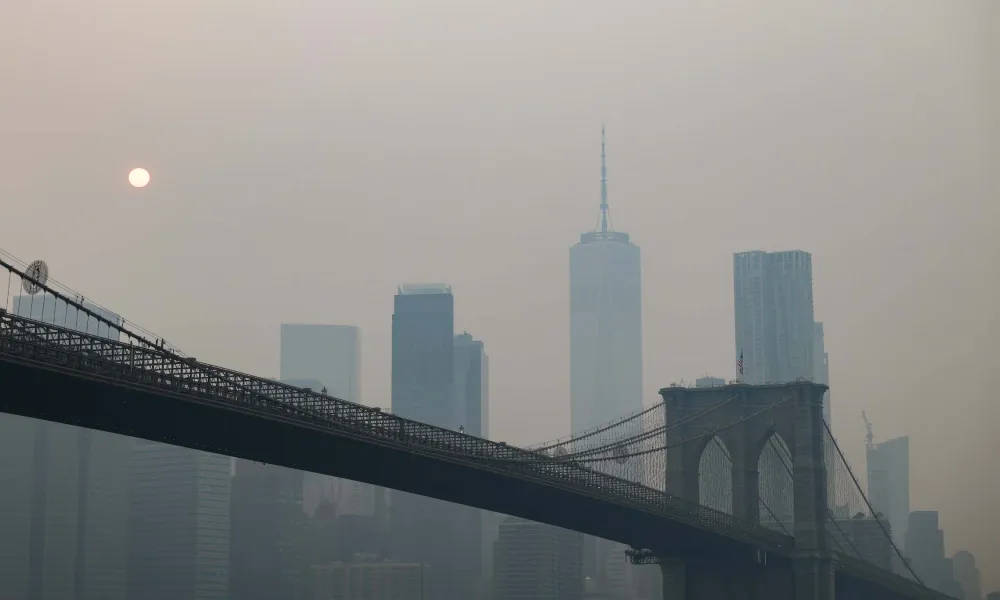

Wildfires burning across parts of Canada continue to have significant cross-border impacts, with vast amounts of smoke drifting into the United States and affecting air quality in major cities, including New York.
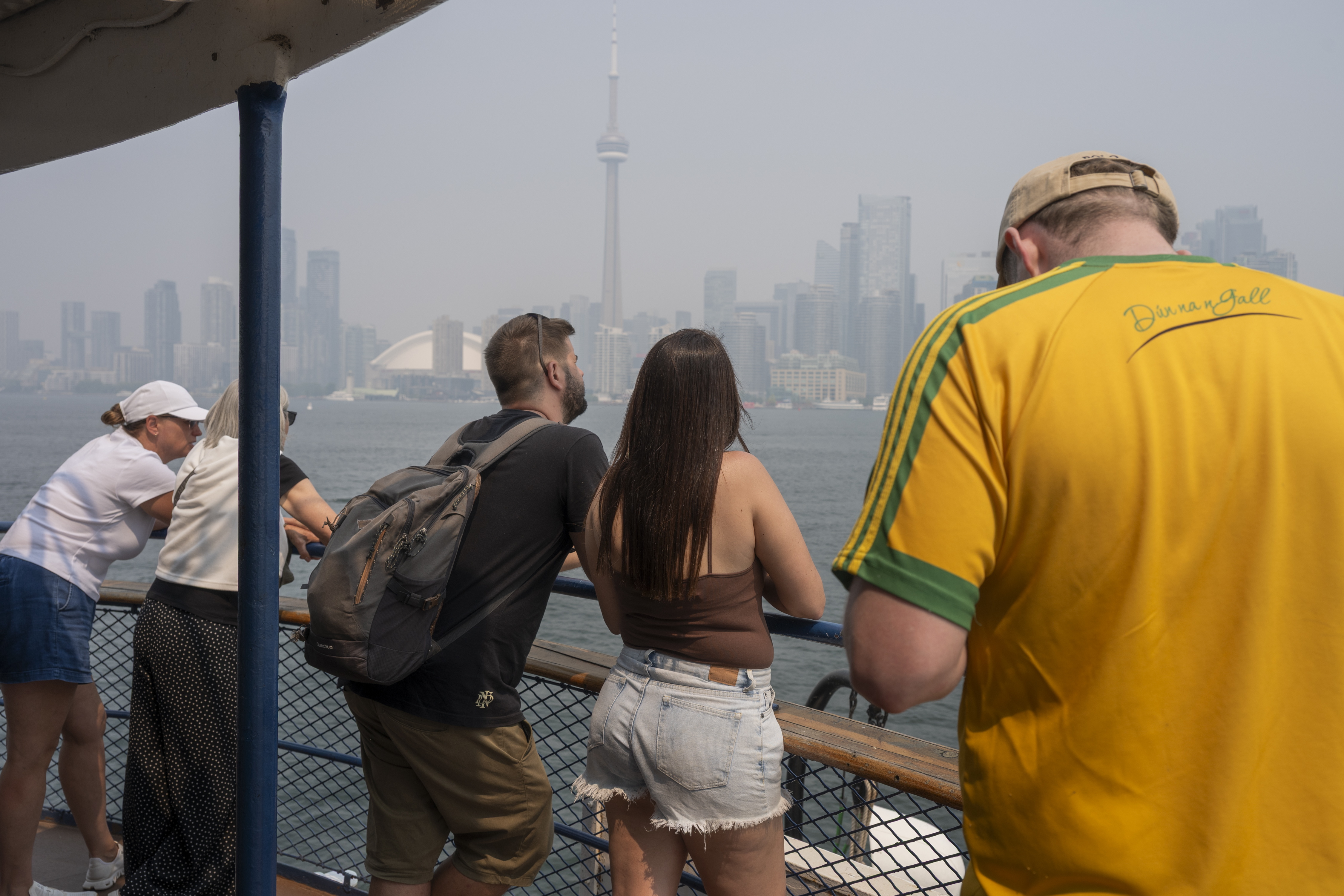
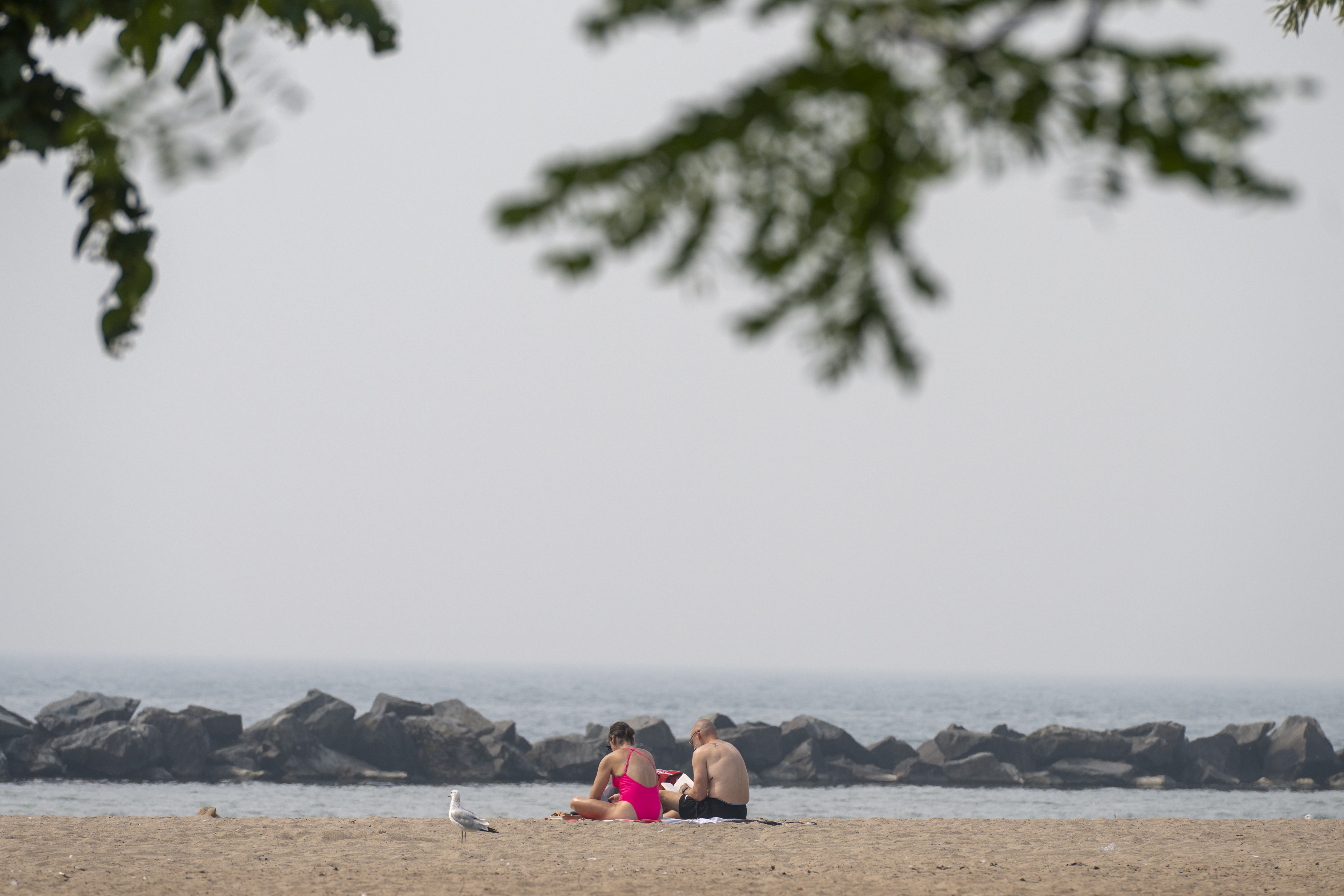
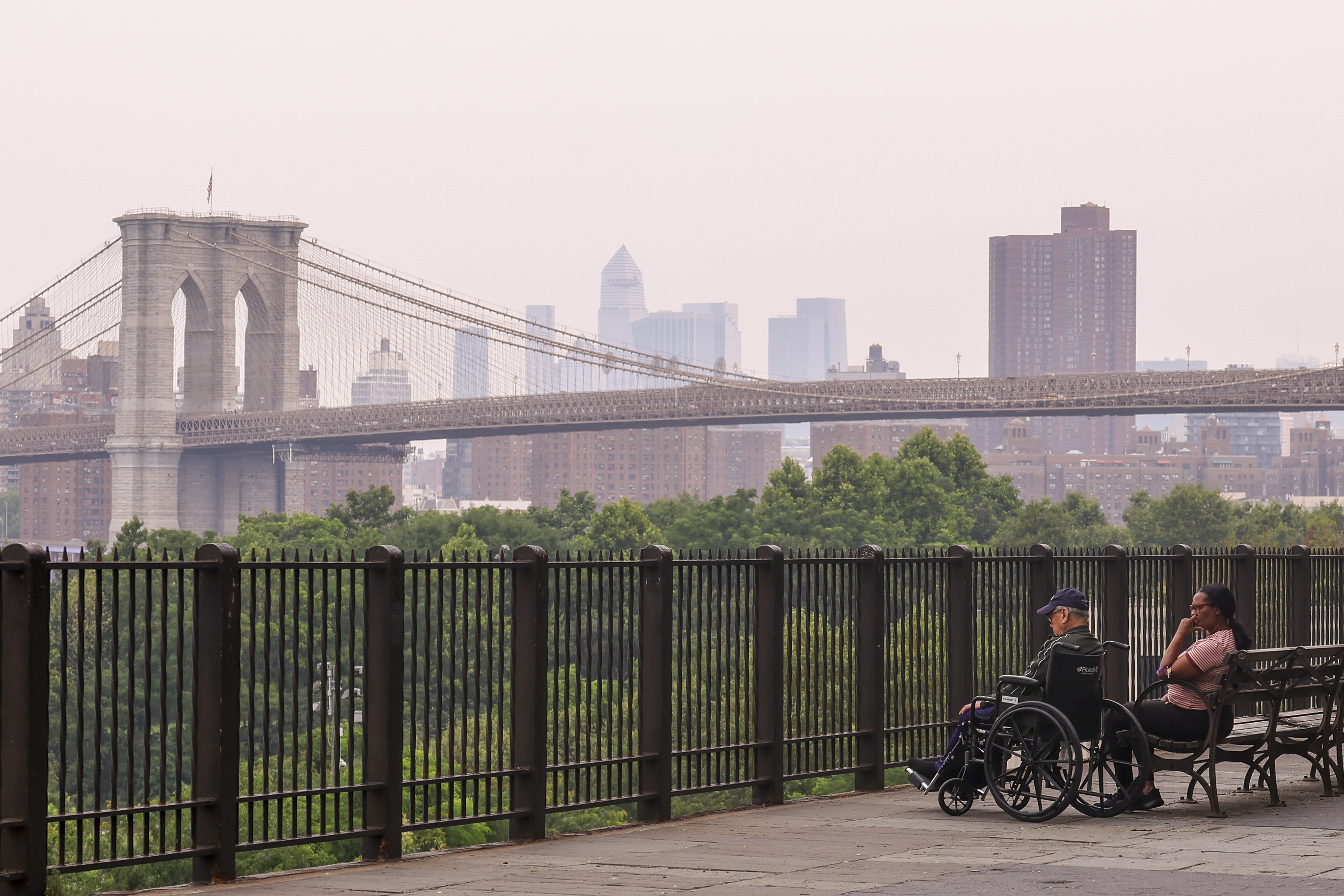
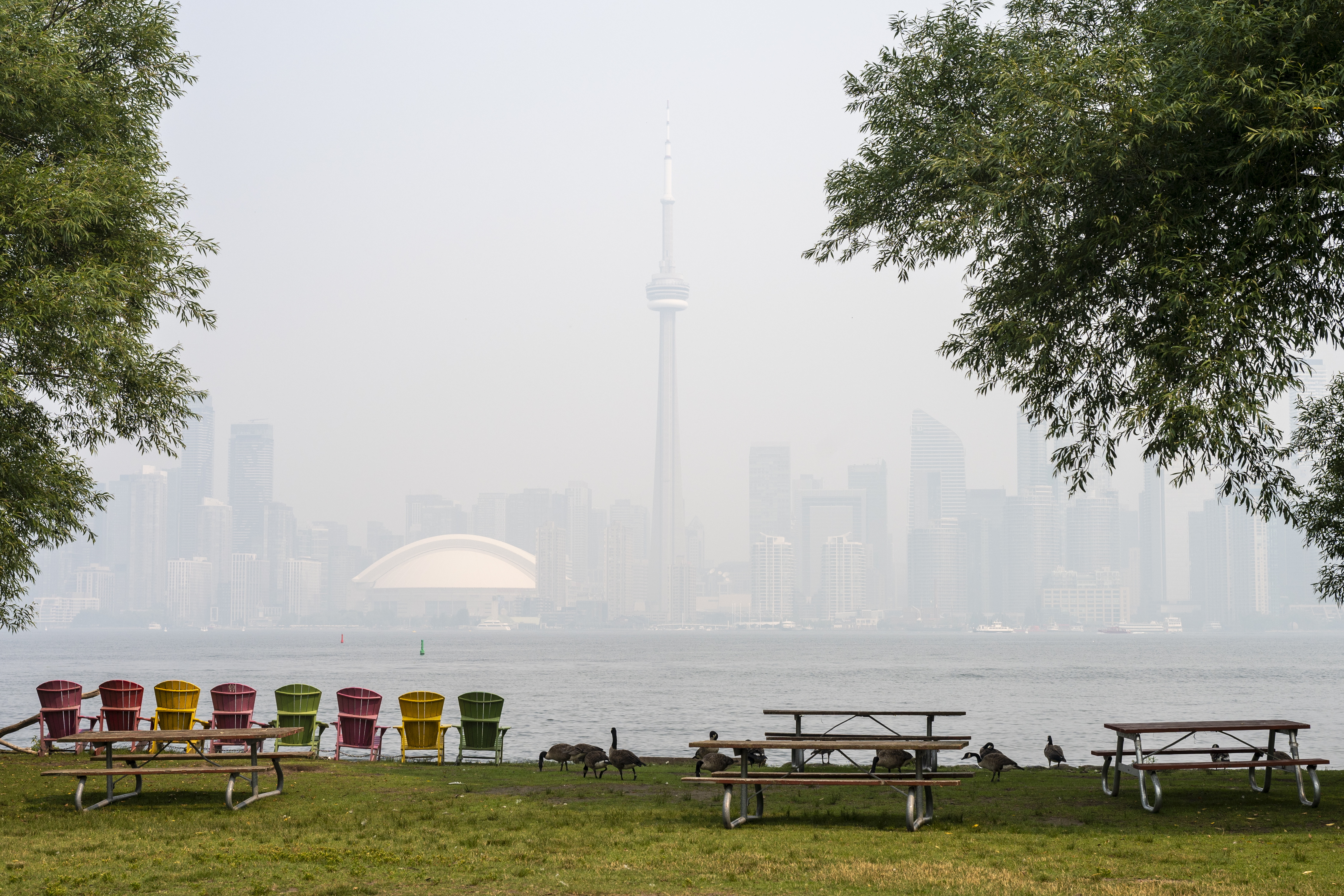
The situation has raised concerns just days before the 2026 FIFA World Cup final, scheduled for Sunday, 19 July, at the New York-New Jersey Stadium.
Local authorities in New York have issued advisories urging residents, particularly those belonging to vulnerable groups, to limit outdoor activities and reduce time spent outside.
More than 80,000 spectators are expected to attend the World Cup final between Argentina and Spain at the stadium, while a further 50,000 people are expected to gather in Manhattan's Central Park for a public viewing of the match.
Thousands of Firefighters Battling the Blazes
📍Boston’s , USA 🇺🇸
— sustainme.in®️ (@sustainme_in) July 16, 2026
Sky turned orange on Wednesday as thick, hazardous smoke from Canadian wildfires blanketed the city, causing air quality to deteriorate and visibility to drop significantly.
🚨 #Boston #Massachusetts #Canada #Wildfire #Smoke #AirQuality pic.twitter.com/f2npOT648c
Canadian authorities continue efforts to contain the fires, with thousands of firefighters deployed across multiple regions of the country.
Video captured Lake Tamarack engulfed in flames as some of the largest wildfires have burned in west-central Ontario, consuming thick forests and releasing an incredible amount of smoke.
— ABC News (@ABC) July 16, 2026
The wind directed the smoke from the wildfires into the U.S., creating dangerous air… pic.twitter.com/9ntV9Boext
The evolution of the situation will depend largely on weather conditions in the coming days, with authorities remaining on alert both for the wildfires themselves and for the effects of smoke on public health and major international events.
Footage showed a freight train engulfed in flames in Armstrong, Ontario ⤵️https://t.co/b3qNBoVeXi pic.twitter.com/UcCl7Nh1sw
— The Telegraph (@Telegraph) July 15, 2026
Experts note that the growing intensity and frequency of large wildfires are linked to extreme weather conditions and high temperatures, which create favourable conditions for the rapid spread of fires.