
Iran launched fresh strikes on US facilities across the Middle East on Friday, including its first direct attack on Syria, after a sixth consecutive night of US strikes on Iranian military targets, according to Reuters. A truce reached last month has collapsed into daily attacks and counterattacks, largely halting shipping through the Strait of Hormuz and reviving investor concern over the economic fallout from the war the US and Israel launched in February.
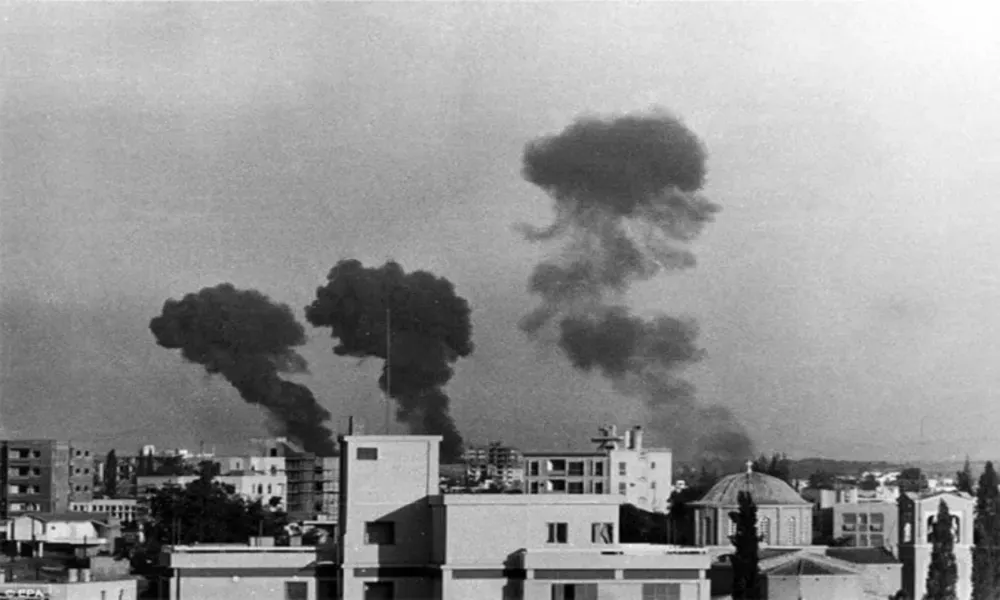
US Central Command said its forces, including fighter jets, drones and warships, hit dozens of Iranian targets overnight, including coastal surveillance and air defence sites, military logistics infrastructure and maritime capabilities, part of what the command described as an effort "to further degrade Iranian military capabilities." The New York Times reports that American strikes late Thursday expanded to hit two bridges near the coastal town of Bandar Khamir and a railway junction west of Bandar Abbas, a port city near the strait linking passenger and freight lines to Iran's largest commercial port. Provincial authorities identified the bridges as the Kahurestan and Gariveh crossings and said the strikes killed three people and wounded nine, while a separate strike on a residential area of Bandar Abbas killed one person and injured eight, according to Iranian state media cited by the Times.
Iran's semi-official Tasnim news agency reported a civilian killed in a US strike near the southeastern port city of Chabahar, according to Reuters. Iran's Revolutionary Guards said they struck a US special operations command centre at al-Tanf in Syria in retaliation for the killing of Iranian soldiers in Iranshahr, the first time Iran has directly attacked Syria since the war began, a country that had until now sought to avoid being drawn into the wider conflict. Reuters said it could not immediately verify the claim. Iran also said it hit US facilities in Bahrain and Kuwait, and residents in Doha reported hearing explosion-like sounds, with Qatar's interior ministry saying a child was injured by shrapnel.
Strait of Hormuz blockade tightens
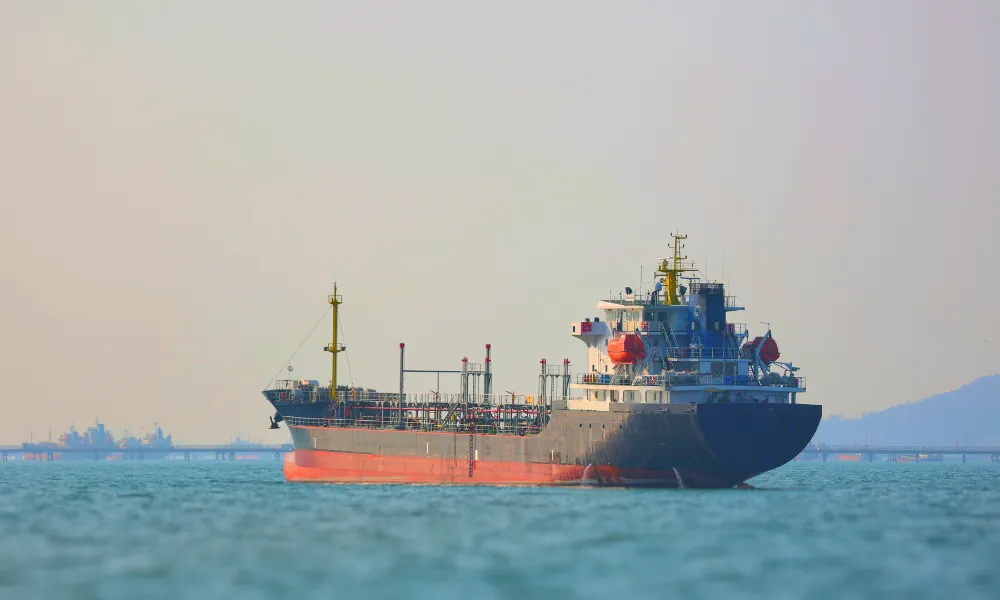
The renewed fighting has again largely halted traffic through the Strait of Hormuz, the world's most important oil and gas shipping route. Just 13 ships passed through the strait on Wednesday, the first full day of the reinstated US naval blockade, down from 21 the day before, according to maritime data firm Kpler cited by both outlets. Before the war, more than 130 vessels passed through the strait daily on average. Tehran has resumed its own blockade of the waterway, and sources told Reuters that Iran has signalled it could push its Houthi allies in Yemen to close the Bab al-Mandeb strait as well, if Washington strikes Iranian infrastructure directly.
Ben May, director of global macroeconomic research at Oxford Economics, told the Times that neither side wants the strait fully closed but neither appears willing to make major concessions, predicting that shipping firms will increasingly avoid the route regardless of how the standoff resolves. Brent crude hovered around $84 a barrel on Thursday, and US diesel prices rose above $5 a gallon for the first time since June, up a third since the war began, according to the Times.
A muted Pentagon, an outspoken president
The Times reports that the Pentagon has said comparatively little about the war's strategy, holding only eight press briefings in the first six weeks of fighting, compared with more than thirty during the first five weeks of the 2003 Iraq war. Defense Secretary Pete Hegseth has instead spoken publicly on other matters this month, including a new programme to test troops' testosterone levels. President Trump, by contrast, has been vocal, telling radio host Hugh Hewitt this week that US forces would keep striking Iran and that Tehran had "nothing" left but rhetoric.
White House press secretary Karoline Leavitt said Washington remained open to negotiations even as strikes continue, telling reporters Iran "very much continues to talk" to the US and wants a deal given the damage it has sustained. Iran's chief negotiator, Mohammad Bagher Ghalibaf, similarly hinted in a televised speech that talks remained possible, while defending Iran's position on the strait and describing the conflict as existential for Tehran.
Diplomatic efforts falter
Pakistan, which helped broker last month's short-lived ceasefire, has struggled to be heard since it collapsed, with a foreign ministry spokesman in Islamabad describing the situation only as facing "challenges" and calling on both sides to reopen the strait. In Tehran, the renewed bombing has unsettled residents. "Living with this fear that war could start again is very exhausting. You cannot live like this," a 46-year-old government employee named Mahlegha told Reuters, asking that her family name be withheld for security reasons.
Sources: Reuters, The New York Times