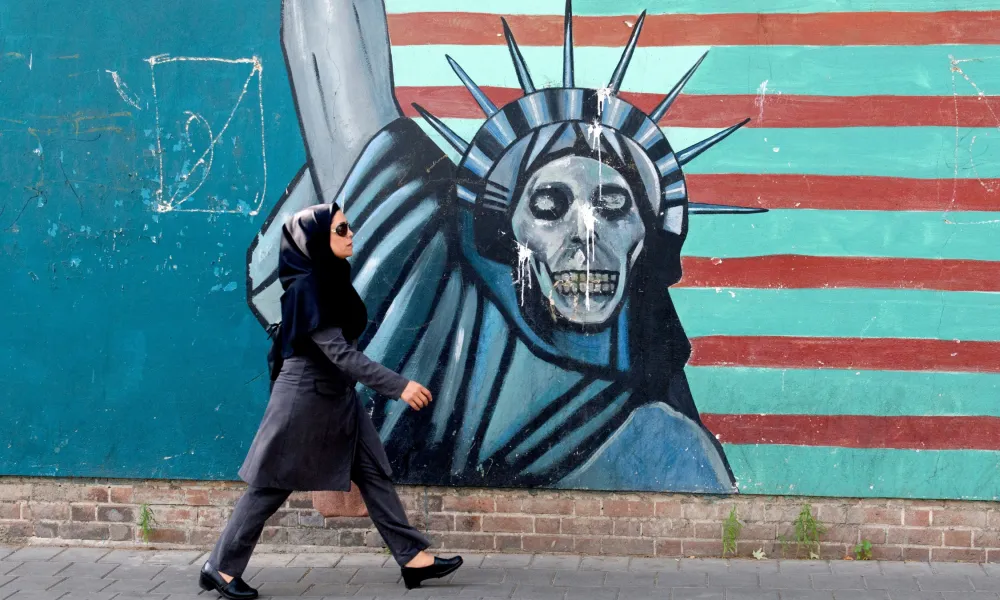



The war began on 28 February 2026, when the United States and Israel launched large-scale strikes intended to destroy Iran's missile and nuclear infrastructure and, in Washington's own stated terms, remove the threat of Tehran ever developing a nuclear weapon. Six months on, neither side has secured a decisive outcome. Iran has absorbed heavy losses but held together. The United States has degraded parts of Iran's military capacity without forcing a surrender or a durable ceasefire, and now finds itself managing a war it does not appear able to either win outright or walk away from.
This week brought fresh strikes on Iran's Larak Island in the Strait of Hormuz and Iranian retaliation against US bases in Jordan. A ceasefire negotiated in April collapsed within weeks. A memorandum of understanding brokered afterwards fell apart by July. Each failed attempt has produced more doubt over a possible and lasting peace.
The puzzle at the centre of war-termination theory
The theoretical starting point for any account of why a war persists is the bargaining model developed by the political scientist James Fearon: since war is costly, two rational states should in principle always prefer a negotiated settlement to continued fighting, provided that settlement reflects the likely outcome of the war anyway. Wars that drag on despite this logic are generally explained by one of three failures, incomplete information about relative strength, an inability to credibly commit to the terms of a deal, or a dispute over something functionally indivisible.
In this case the military balance between Washington and Tehran has been reasonably clear to both sides for months, which weakens any explanation resting on miscalculated strength. The more persistent obstacle is whether either government can trust the other to honour an agreement once it is signed, a question that has not been resolved and shows no sign of resolving.
Why Tehran does not trust a deal
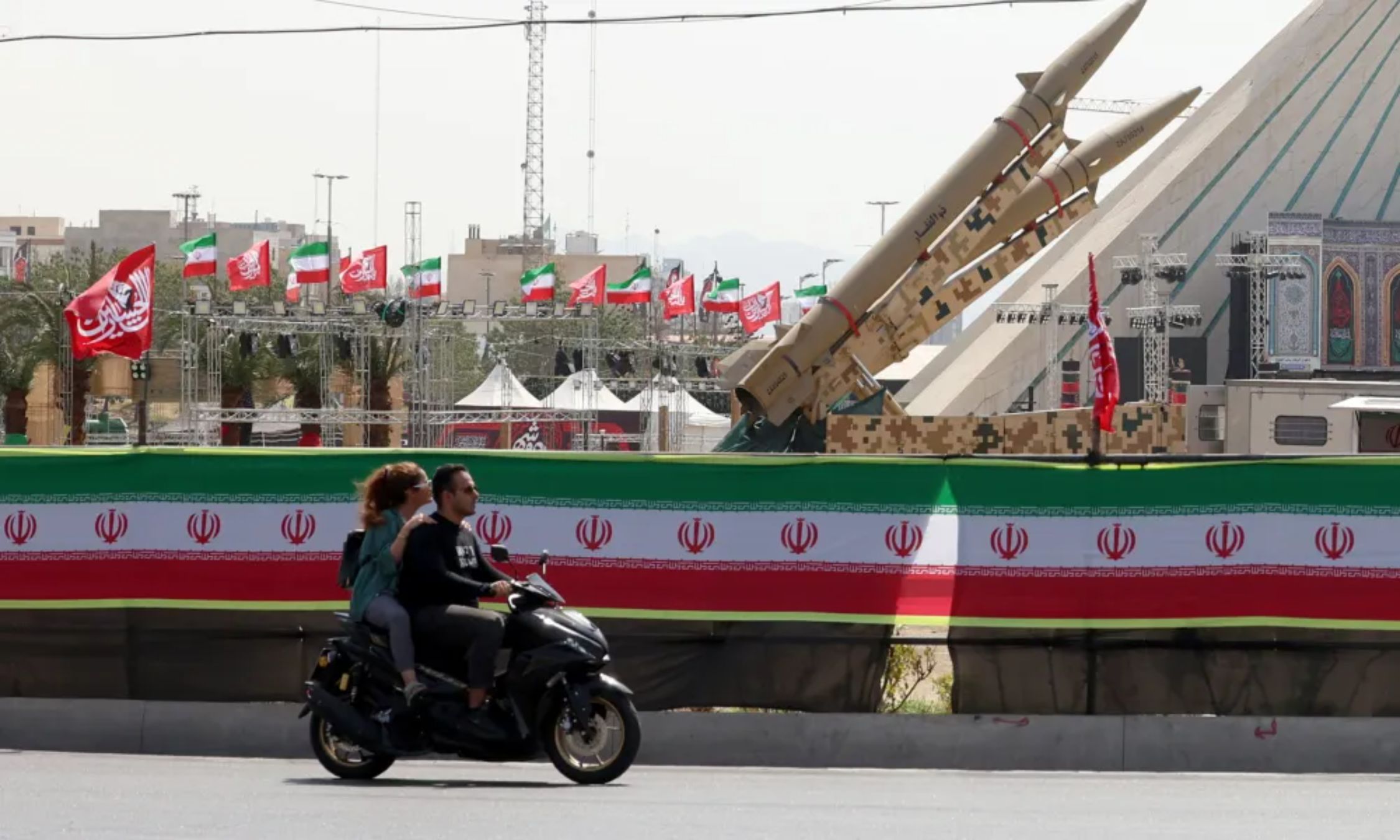
Mohammad Bagher Ghalibaf, the speaker of Iran's parliament and head of its negotiating delegation, has said publicly and repeatedly that he distrusts Washington more than any other actor in this conflict, telling Iranian television in June that he is "the person who has the least trust in the United States." His advisers point to a specific chain of events to justify that position: the Trump administration's withdrawal from the 2015 nuclear agreement in 2018, the reimposition of United Nations sanctions through the so-called snapback mechanism, and, most damagingly from Tehran's perspective, strikes that landed while negotiating rounds were still formally scheduled.
A state convinced its adversary will not honour a deal has little rational incentive to make the concessions that deal would require, regardless of the cost of continued fighting. It is a structural finding and it applies with equal force in reverse: Washington has comparable reason to doubt that any concession it extracts from Tehran will hold once economic and military pressure eases.
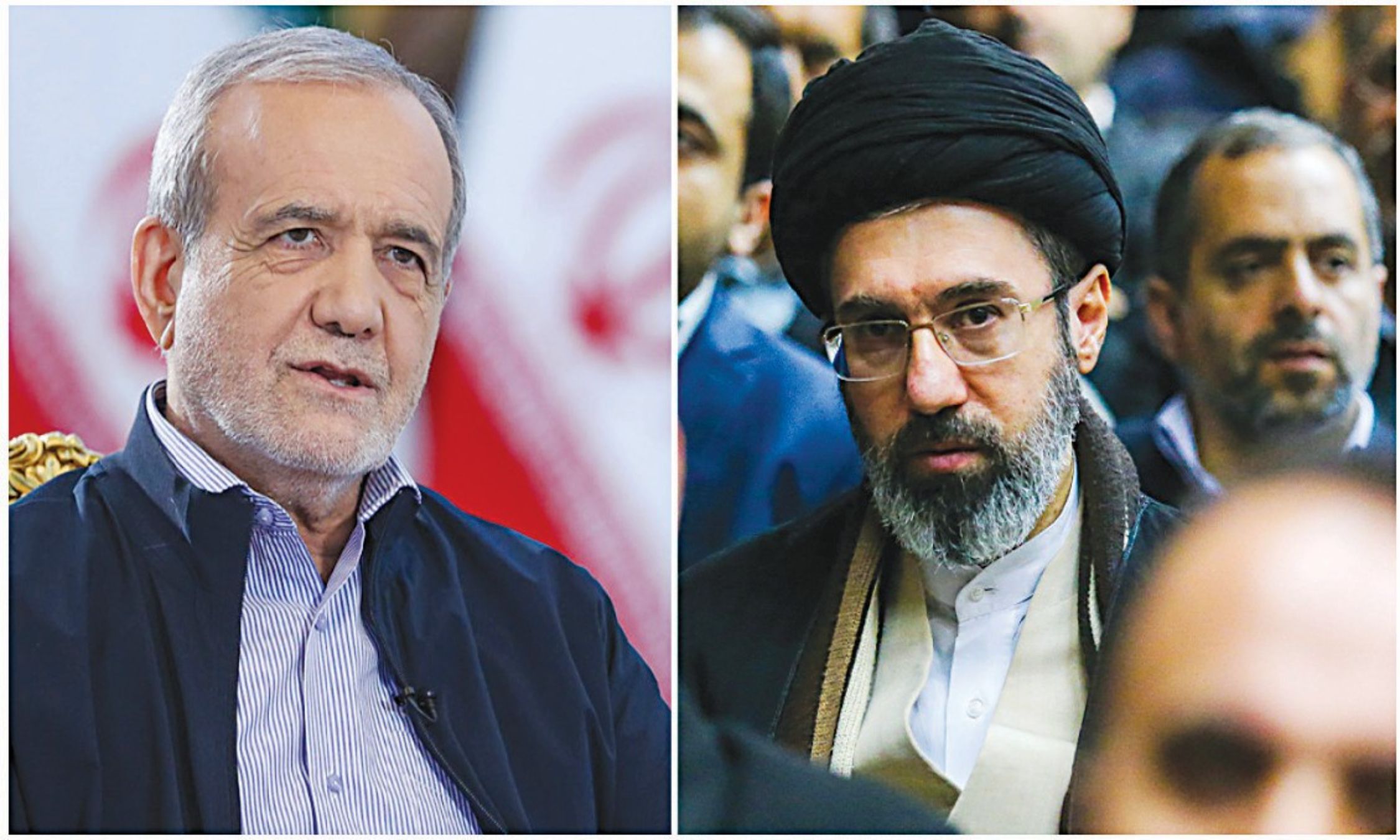
A leadership that cannot be seen
Iran's supreme leader and a senior figure in its negotiating apparatus were killed in the strikes that opened the war in February. Iran's post-strike leadership has since avoided public appearances, reportedly for security reasons.
Two sides, two clocks
The two states are also discounting the future differently, a factor the war-termination literature treats as a further obstacle to settlement independent of trust. Washington faces domestic political pressure to demonstrate results while the US Strategic Petroleum Reserve has fallen to roughly 300 million barrels, its lowest level since 1983, and stocks of long-range precision munitions and allied air-defence interceptors across the Gulf states hosting American forces have been depleted in some cases by more than three-quarters. Iranian strategists point to rising global energy prices, the cumulative cost of sustained US deployment, and strain on Washington's regional allies as pressure that compounds with time. Each side is betting that endurance favours it, which is itself sufficient to keep both at the table without either being willing to settle.
An unresolved question in Washington
There is no settled account of whether this war represents continuity in a decades-long American strategy of containing Iran, or a more personal pursuit by President Donald Trump of a decisive resolution, in evident tension with his own earlier promises to avoid prolonged foreign entanglements. War-termination literature has long argued that conflicts persist because the domestic coalition that initiated a war remains politically intact, and that termination tends to follow a shift in that coalition rather than a change in the fighting itself. Whether such a shift is underway in Washington is, at present, an open question.
Taken together, these conditions describe a conflict with no obvious mechanism for closure. An endgame, on this account, would require one of a limited set of developments: a credible enforcement mechanism capable of substituting for trust between the two governments, a shift in the domestic political coalition sustaining one side's war effort, or a military outcome decisive enough to remove the incentive to keep fighting. None of the three currently shows evidence of emerging, which is the clearest indication available that this war is not approaching its end so much as settling into one.
Sources: Al Jazeera Centre for Studies, Reuters, Britannica