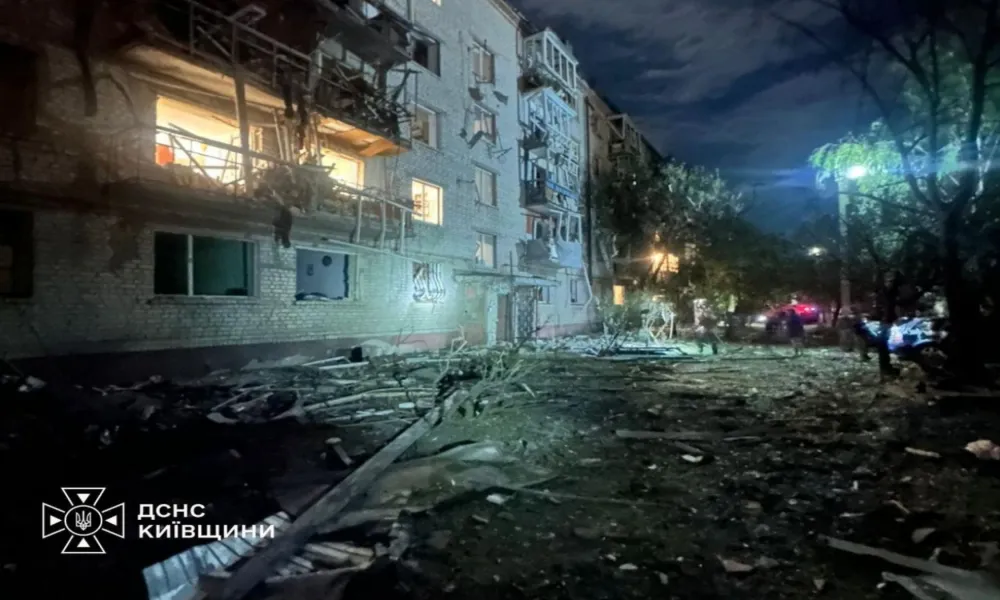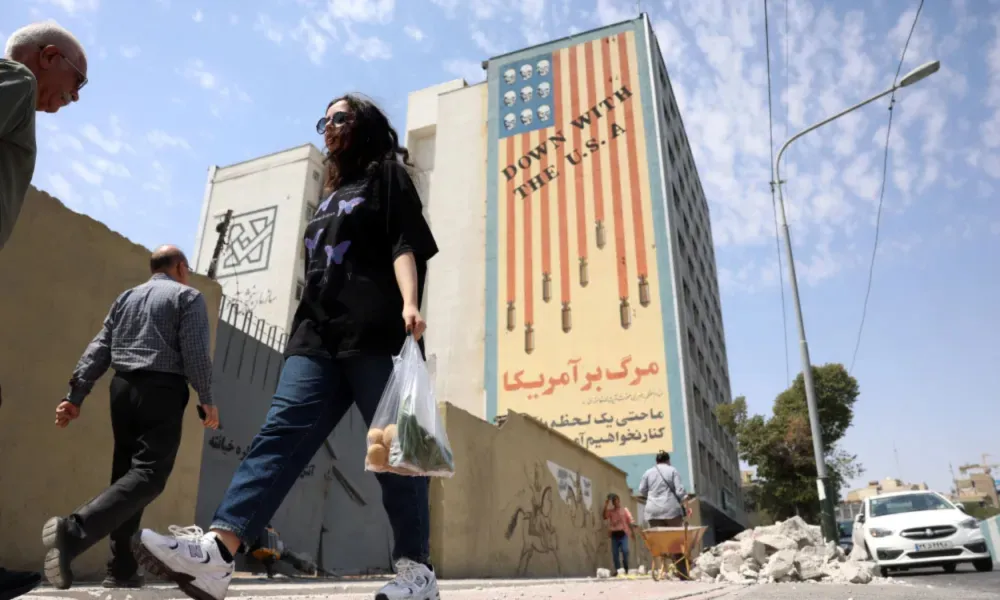

The latest exchange of strikes between the United States and Iran has pushed their confrontation into a more dangerous phase, according to international relations expert and political analyst Constantinos Poyiadjis. The widening cycle of attacks and reprisals is increasingly affecting the Strait of Hormuz and neighbouring countries, raising both security and economic risks.
Risk of regional escalation
“We are not yet facing a full-scale war, but the risk of miscalculation and regional escalation has increased significantly,” Poyiadjis told CNA on Wednesday.
He said the most likely short-term scenario was “a controlled war of attrition between the two sides, involving targeted US strikes and asymmetric Iranian responses”.
However, significant US casualties or severe restrictions on navigation through the Strait of Hormuz could widen the hostilities, worsening the energy crisis, driving up fuel prices and intensifying inflationary pressures worldwide.
Pressure on shipping in the Strait of Hormuz
Poyiadjis said Iranian reprisals were spreading across the region, with strikes against US partners, the involvement of other countries and attacks on commercial vessels.
Insurance premiums are rising, while vessels are facing increasing difficulties travelling through the Strait of Hormuz.
“This is where the real control that either side can exercise becomes limited,” he said.
A misdirected strike, an unintended incident or loss of life could quickly transform a controlled escalation into an uncontrolled one, ultimately leading to a regional conflict.
Negotiations remain the only route
Poyiadjis said negotiations currently offered the only opportunity to reduce tensions, although the room for diplomacy remained limited.
Any progress would depend on avoiding serious US casualties or attacks and preventing a complete blockade of the Strait of Hormuz.
According to his assessment, Washington is seeking to pressure Iran into restricting its nuclear and missile programmes, ending attacks against US targets and allies in the region and accepting safe navigation through the Strait.
“In essence, Washington is using military and economic pressure as a form of coercive diplomacy, seeking negotiations from a position of strength shaped by developments on the ground, rather than necessarily pursuing a prolonged war, which would not be in its interests,” he said.
Threats to overthrow the Iranian government, however, are increasing Tehran’s sense of insecurity and making a negotiated compromise even more difficult, he added.
A fragile de-escalation remains possible
Poyiadjis expects the limited cycle of strikes and reprisals to continue over the coming days until the two sides move towards temporary mediation or a ceasefire brokered by third parties.
“Neither side wants to damage the status and prestige it projects to its domestic audience,” he said.
He does not expect an immediate, definitive agreement because the two sides do not share a common understanding of how the fundamental disputes should be resolved.
“There is, however, the possibility of a fragile de-escalation, without resolving the fundamental differences,” he said.
Avoiding mass US casualties or a complete blockade of the Strait of Hormuz will be decisive, he reiterated.
Iran appears to be avoiding US fatalities
Asked whether Iran was deliberately avoiding strikes on US targets that could kill Americans, Poyiadjis said this appeared to be the case.
Iranian attacks are intended to keep costs and insecurity high, increase insurance premiums and make passage through the Strait of Hormuz more difficult, without deliberately triggering an escalation through the loss of American lives, he explained.
The apparent objective is to impose costs on US interests through disruption to navigation, material damage and broader difficulties across the region.
Source: CNA