At least 68 people have died following a collision between two high-speed trains in Spain, with investigators focusing on a potentially erroneous decision by railway traffic controllers in the moments leading up to the disaster.
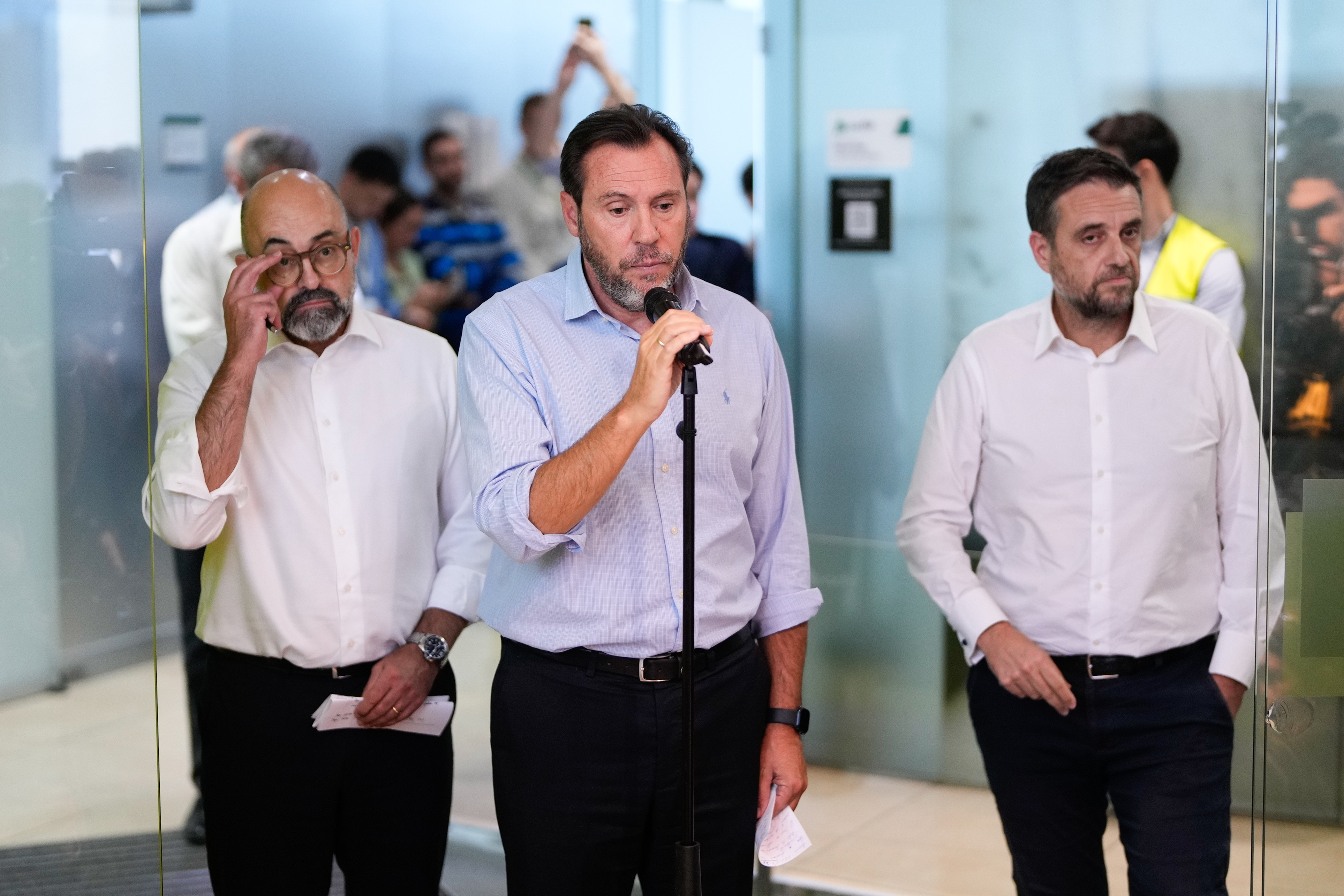
Spanish Transport Minister Óscar Puente described the decision to authorise a Renfe train to resume its journey as “inexplicable” and incorrect, after another train operated by Iryo had come to a halt on the same track.
According to Spain’s EFE news agency, the instruction was issued by the control centre of railway infrastructure manager Adif, despite the presence of the stationary Iryo train and a red signal at the entrance to the station at Urda, in the province of Toledo.
Puente said the decision was evidently wrong and had led to the collision, while stressing that responsibility would be established through the ongoing investigation.
Spain mourns.😓 Near Toledo, a high-speed train crashed into the back of another train that had STOPPED on the track. At least 39 people are dead, say local emergency services. 544 passengers were on board. https://t.co/gngAM9XATz
— Rajat Jain (@RajatJain) October 28, 2026
Signalling system failure preceded the crash
The sequence of events began at around 08:30 on Wednesday, when a fault occurred in the LZB safety system, which monitors train movements and helps prevent collisions.
The malfunction reportedly forced at least six trains to stop along a section of the Madrid–Seville railway line spanning approximately 63 kilometres.
Control of train movements was subsequently transferred to Adif’s traffic control centre at Madrid’s Atocha station.
At 08:36, a Renfe high-speed train was instructed to continue its journey, even though an Iryo train remained stationary further along the same track.
According to the transport minister, the authorisation was issued without the speed restriction that should have been imposed under the circumstances. Such a restriction would have allowed the moving train to stop in time if necessary.
The Renfe train travelled approximately 25 kilometres after receiving the instruction before colliding with the rear of the stationary Iryo train shortly before 09:00.
The decision to allow the train to proceed is now a key line of inquiry. However, investigators have yet to complete their examination of the circumstances surrounding the crash or determine who was responsible.
Death toll reaches 68 as rescue operations continue
The collision occurred near the station at Urda, in Spain’s Castilla-La Mancha region. Several carriages derailed, with some plunging down a slope below the railway line.
According to the latest figures reported by Spanish television network laSexta, citing regional government sources, at least 68 people have died. A further 50 people were seriously injured, while another 30 sustained less severe injuries.
A total of 544 people were travelling on the two trains, including 397 passengers on the Renfe service and 147 on the Iryo train.
Emergency crews are continuing to search through the wreckage, and authorities have warned that the death toll could rise further.
High-speed rail services between Madrid and Andalusia have been suspended following the disaster.
‘All of Spain is mourning’
Spanish Prime Minister Pedro Sánchez said that “all of Spain is mourning” in the aftermath of the collision.
He also expressed dismay at the country experiencing two deadly high-speed rail disasters in the same year, referring to a collision in Adamuz, Andalusia, in January that killed 46 people.
The latest incident is the second major fatal railway disaster to strike Spain in 2026, raising fresh questions about railway safety and the circumstances in which trains are authorised to resume their journeys following technical failures.
https://t.co/UYtuKlQFO2
— Fox News (@FoxNews) October 28, 2026
Spain’s deadliest rail disaster since 2013
With the death toll still provisional, the collision near Urda is being described as Spain’s deadliest railway disaster since July 2013.
In that incident, 80 people were killed when a train derailed near Santiago de Compostela in north-western Spain.
Investigators are now working to establish the precise sequence of events that led to the latest collision, including the signalling failure, the decision to restart the Renfe train and the absence of the speed restriction cited by the transport minister.
Until the investigation is complete, the precise causes of the disaster and the extent of any individual or institutional responsibility remain unconfirmed.