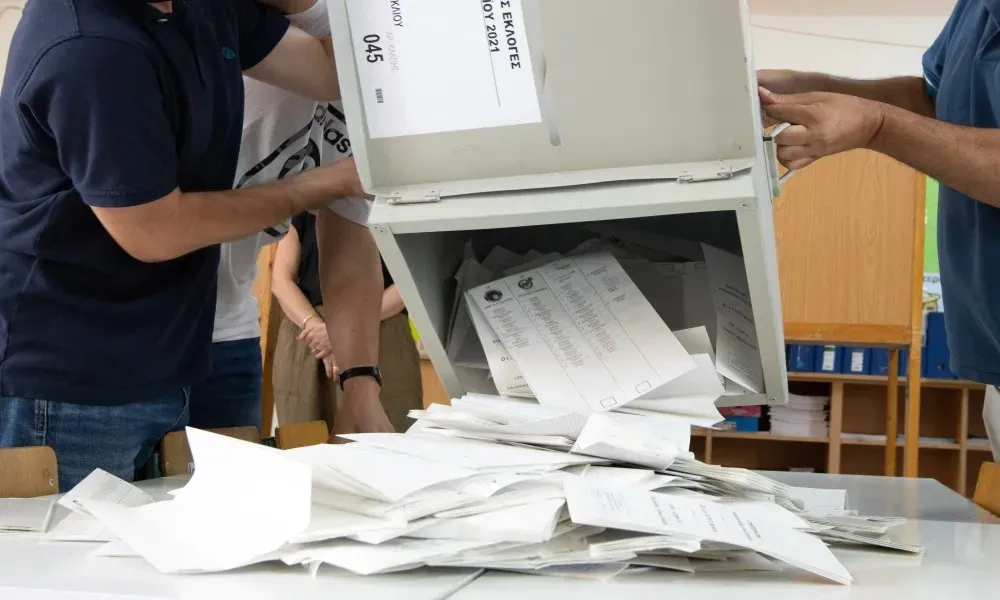
The elections are over, the slogans and big words have passed and the celebrations are behind us. For citizens, it is clear that the success of the six political formations that entered parliament will not be judged only by the ballot result. Within a week, once the process of electing the Speaker of the House is completed on 4 June, the parties, which throughout the pre‑election period avoided meaningful political dialogue and addressed key social issues only superficially, are expected to focus and get to work. Honestly, with sincerity, planning, transparency, prudence, consistency and accountability. By seeking convergences and offering solutions.
First and foremost, it is of critical importance that the two new parties that entered parliament, since they will have an advisory role to the President through the National Council, define their political line on the Cyprus issue and communicate it. Given that in 10 days the personal envoy of the UN Secretary‑General, María Ángela Holguín, will be in Cyprus after a four‑month absence to discuss both the substance and confidence‑building measures, it is important for them to clarify exactly where they stand on the national issue. If there is indeed an initiative for a solution plan before the end of the year, as stated by Nikos Christodoulides, the new parties must accelerate the crystallisation of their positions.
Beyond that, all MPs without exception, and especially the 27 who will sit for the first time in parliament, have a responsibility to review and familiarise themselves with all pending bills and reforms before the House, so that they can form informed views and proposals. Not only on what the government considers urgent, but also on issues left in drawers by the previous parliament because they were not vote‑winning topics. For example, the two bills of the Deputy Ministry of Welfare on adoption and foster care reform.
Representatives of the legislative branch should not forget another crucial point. Cypriot society, beyond seeking solutions to improve daily life, remains deeply affected by corruption, lack of transparency and scandals. Trust in institutions also depends on their actions. That is why they must demonstrate daily that they serve the public interest and not party or personal agendas.