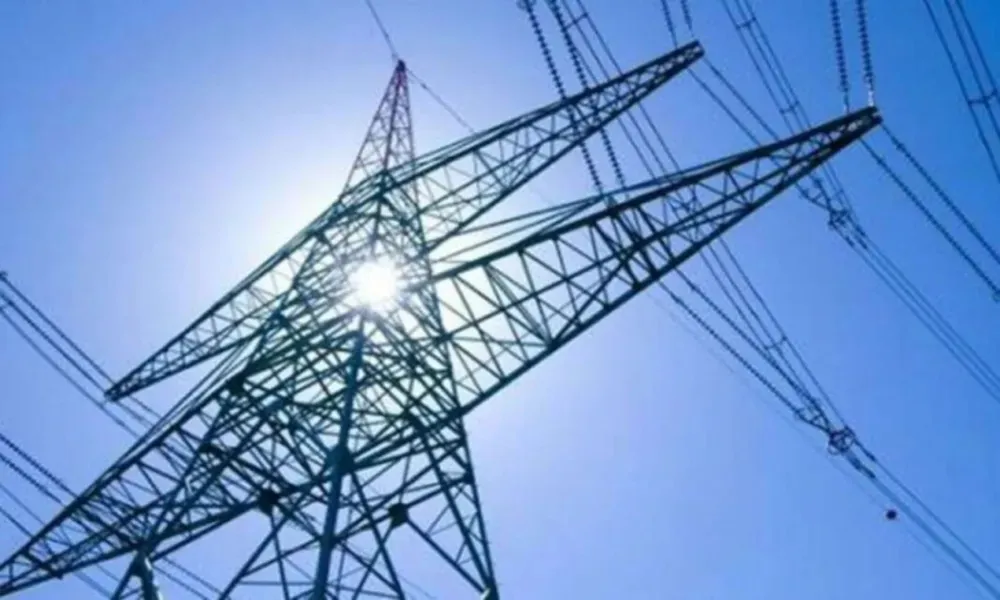

The debate over the adequacy of Cyprus's electricity supply is not theoretical. In reality, it represents an immediate and genuine risk that affects the economy, society and, ultimately, the country's security itself. The recent power outages served as a loud warning that the electricity system is operating at its limits. During Friday's emergency meeting of the House Energy Committee, familiar concerns were raised once again, but this time in particularly alarming terms.
Based on what was discussed, most conventional power generation units have long exceeded their intended operational lifespan. Power stations designed to operate for around 25 years remain in service after as much as 45 years of continuous operation. Frequent breakdowns, the difficulty of sourcing spare parts and the need to keep units running that should normally be held in reserve all demonstrate that the system has exhausted its safety margins.
Even more concerning is the outlook beyond 2029. The mandatory withdrawal of older units under European environmental requirements threatens to remove up to 50% of today's conventional generation capacity. If critical infrastructure projects such as the arrival of natural gas, expanded energy storage and the electrical interconnection of Cyprus have not been completed by then, an energy deficit will no longer be a possibility but a highly dangerous reality.
The biggest problem is that the country remains almost entirely dependent on conventional electricity generation. Renewable energy sources have significantly increased their contribution, but on their own they cannot guarantee uninterrupted supply in an isolated electricity system. Without sufficient storage, without flexible generation units and without interconnection to other grids, the system remains vulnerable to every breakdown, every period of peak demand and every prolonged heatwave.
The energy problem was not created overnight, nor can it be solved through piecemeal measures. It is the result of years of delays, postponements and misplaced priorities in strategic planning. The warnings have existed for years. The needs were known. Timelines were repeatedly pushed back while critical projects were not completed when they should have been.
The country can no longer afford to operate on the hope that the next breakdown will not occur or that weather conditions will remain favourable. The challenge up to 2030 is specific and well known. What is needed today is the determination to make the necessary decisions in time, so that Cyprus does not find itself facing an energy crisis that could, and should, have been prevented.