
The story of waste management in Cyprus has been written in dark colours. Missteps, scandals, bribes, mismanagement, delays, and the continual postponement of dates, decisions and responsibilities. From the closure of dumpsites to weaknesses in the collection and processing of recyclables, infrastructure at organised municipal waste treatment facilities, organic waste management, the "Pay As You Throw" scheme and efforts to create a culture of waste reduction, virtually everything has gone wrong over the past two decades.
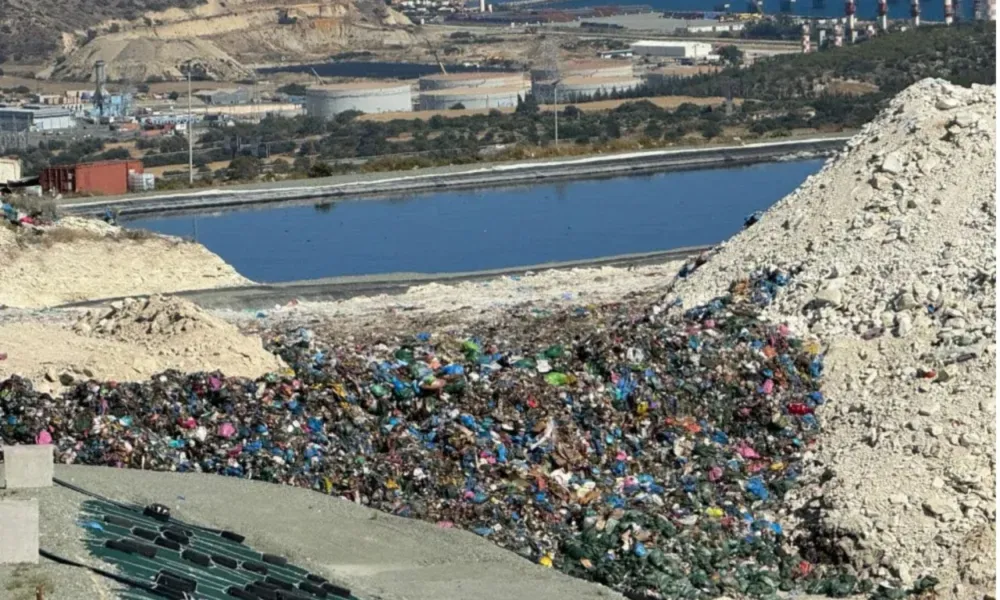
The delay in closing the Kotsiatis and Vati landfill sites opened a new front with the European Commission, which is preparing financial penalties.
Recycling developed without ever achieving the reach and performance required. Even today, Green Dot does not provide geographical coverage across the whole of Cyprus.
Separate collection systems were introduced without the development of adequate markets and infrastructure for all waste streams. Even for materials that citizens separate, such as glass, problems remain regarding their final utilisation, while difficulties have also been recorded in other streams, including paper.
The large facilities that were supposed to form the backbone of the system have their own troubled history. Koshi was initially at the centre of a bribery scandal, while the reversal of the original plan, with Nicosia's waste also being sent there following the closure of Kotsiatis, nearly doubled the volumes and pushed the facility to its limits.
Pentanomo, meanwhile, failed to operate as originally designed and the state was forced to assume responsibility for its management. Today, around 80% of the waste arriving there is buried.
Now, during a transitional phase, €162 million is required to upgrade the two Integrated Waste Management Facilities. That investment will not buy the final solution but rather additional time until a decision is taken on what the final solution will be.
In Paphos, there is currently no active waste-treatment infrastructure and effectively 100% of waste is buried.
And while infrastructure remains under pressure, Cypriot households continue to rank among the highest waste producers in the European Union, with volumes increasing rather than declining.
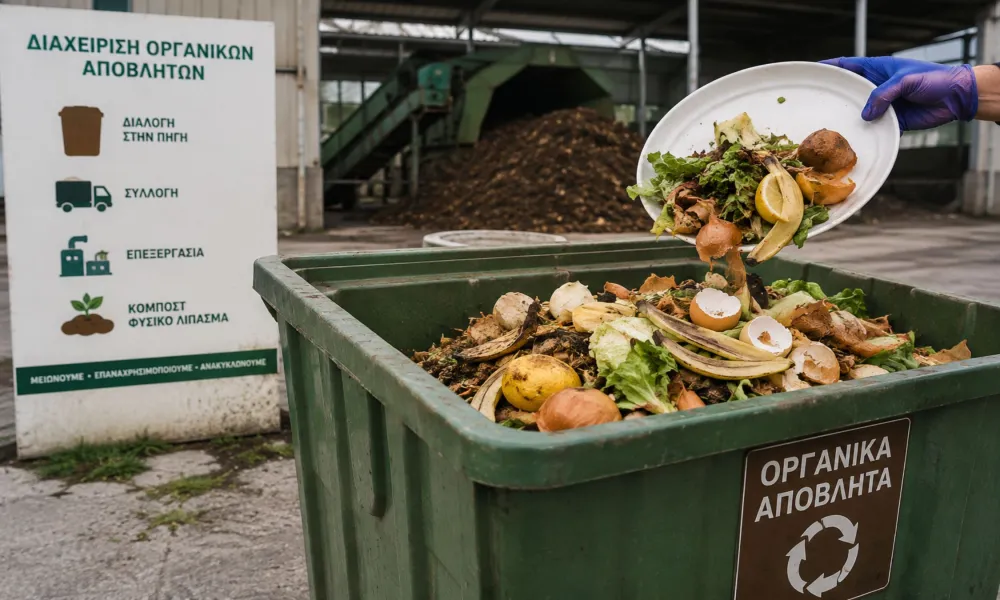
At the same time as we pay for the mistakes of the past, we continue creating new backlogs. Separate collection of household organic waste has no date for universal implementation despite being due to start in 2024.
The Pay As You Throw system was also supposed to be introduced in 2024, then postponed to 2026 and now to early 2027, with the government and municipalities already clashing over implementation requirements and costs.
That citizens ultimately foot the bill for all these failures is self-evident.
What is truly infuriating is that we are paying to bury waste that, if managed properly, could generate economic value.
In short, instead of reducing costs and creating economic, environmental and public-health benefits, we continue paying to bury the problem.
Literally and figuratively.