
By Marios Rialas
Cyprus is a small country with a major unresolved national issue. That means it cannot afford to limit its diplomatic efforts to the capitals with which it communicates most frequently. The Cyprus problem remains on the agenda of the United Nations, and international support for the positions of the Republic of Cyprus requires constant cultivation. We must explain the facts, defend the UN-backed framework for a settlement and listen to the concerns of our counterparts.
This is the essence of appointing a special envoy for the Cyprus issue to countries in Asia and Africa. It is not a public relations exercise. It is a way of giving continuity and political depth to our contacts across two continents that carry particular importance for Cyprus. A special envoy can convey our positions, build channels of communication and identify opportunities for cooperation, always in coordination with the President of the Republic and the Ministry of Foreign Affairs.
Asia lies at the centre of developments that affect us. It is home to China and Russia, two of the five permanent members of the UN Security Council. It is home to India, the world's most populous country, with which Cyprus is strengthening its relations. The same continent includes Turkey, Israel and the Gulf states. Each has a different relationship with our region and a different degree of influence on international affairs. It is therefore in Cyprus' interest to maintain meaningful political communication with as many of these countries as possible.
The relationship with India illustrates what consistent diplomacy can achieve. The visit of the Indian prime minister to Cyprus in June 2025, and the joint declaration issued by the two countries, gave new substance to bilateral cooperation. This was followed by the state visit of the President of the Republic of Cyprus to India in May 2026, aimed at turning shared intentions into concrete actions. Such relationships benefit Cyprus in many areas. They also create the political foundation needed for Cyprus' positions on the national issue to be heard by partners who know and value our country.
Africa deserves similar attention. Fifty-four African states are members of the United Nations. Many also belong to the Organisation of Islamic Cooperation. We cannot expect these countries automatically to understand Cyprus' realities or adopt our positions without prior engagement. We need to present the Cyprus issue clearly, while at the same time building relationships that address their own interests and priorities. Dialogue only has value when it goes both ways.
Turkey’s growing activity across Africa makes this effort even more necessary. According to the Turkish Foreign Ministry, the number of Turkish embassies in Africa increased from 12 in 2002 to 44 in 2022. Turkey combines political engagement with trade relations and frequent high-level visits. Cyprus cannot replicate the scale of that network. It can, however, work strategically, make use of its own partnerships and ensure that its voice reaches the right audiences.
We should also be clear about the content of that voice. Cyprus seeks a fair and viable solution based on the relevant resolutions of the UN Security Council. This position must be presented consistently, using arguments that resonate beyond our immediate region. Security Council Resolutions 541 and 550 form part of the international framework addressing the illegal secessionist entity in the occupied areas. Reference to this framework should not occur only when a new challenge emerges. It must form part of a continuous diplomatic effort.
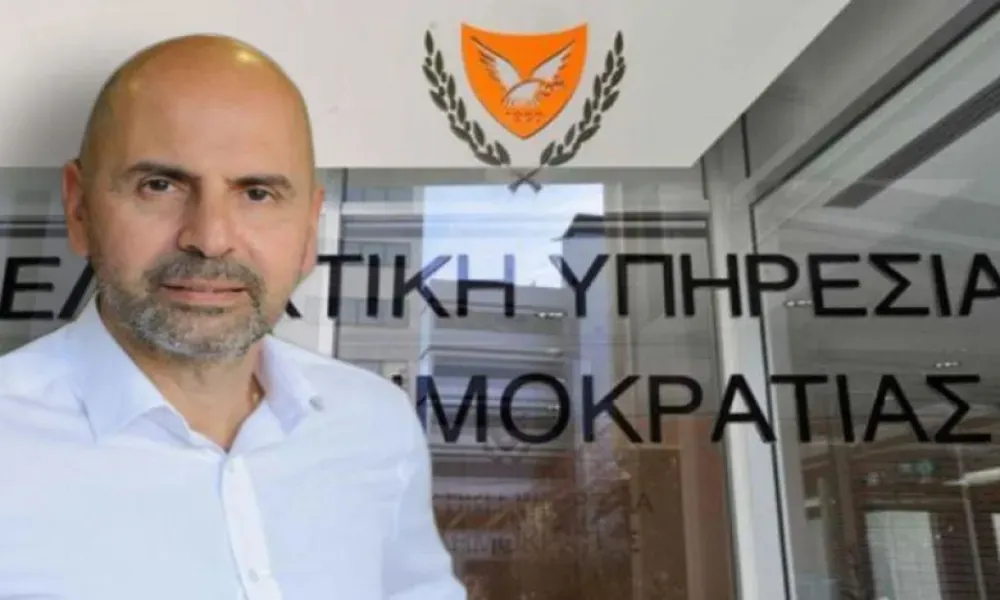
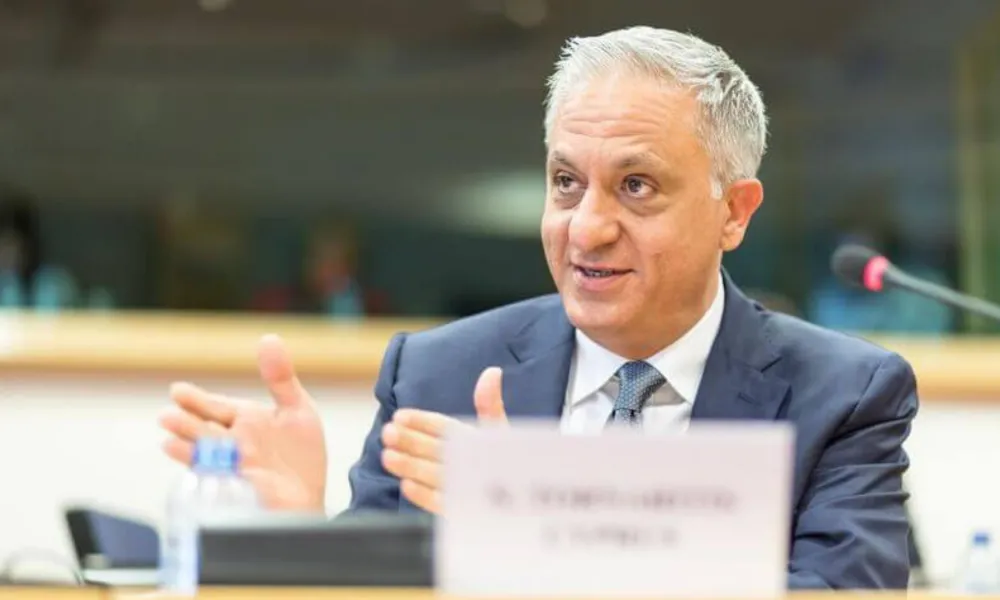
In that mission, the individual matters. Nicos Tornaritis brings extensive parliamentary experience and a strong presence within the Parliamentary Assembly of the Council of Europe. He has worked in an environment where political relationships are built through personal contact, subject knowledge and persistence. That background is a strong qualification for his new role. Experience, however, must be accompanied by a clear mandate and the necessary administrative and diplomatic support so that contacts can deliver continuity and results.
Every public appointment should be judged by its performance. It is reasonable to expect priorities, coordination and accountability. But it would be a mistake to dismiss from the outset an initiative that could serve a national objective. The Cyprus issue does not belong to any single political party, and defending the positions of the Republic of Cyprus should rise above partisan rivalries.
Cyprus needs friends who understand its positions and partners with whom it maintains regular dialogue. Such relationships are not built through a single visit or a single speech. They require presence, planning and persistence. If the special envoy’s mission contributes to that effort, it will have rendered a genuine service to the country.
Cyprus’ voice must be heard everywhere. And to be heard, we must first be present.