
Dementia is emerging as one of the most significant social and healthcare challenges of the coming decades, while Cyprus continues to face major gaps both in recording cases and in supporting people living with the condition and their families.
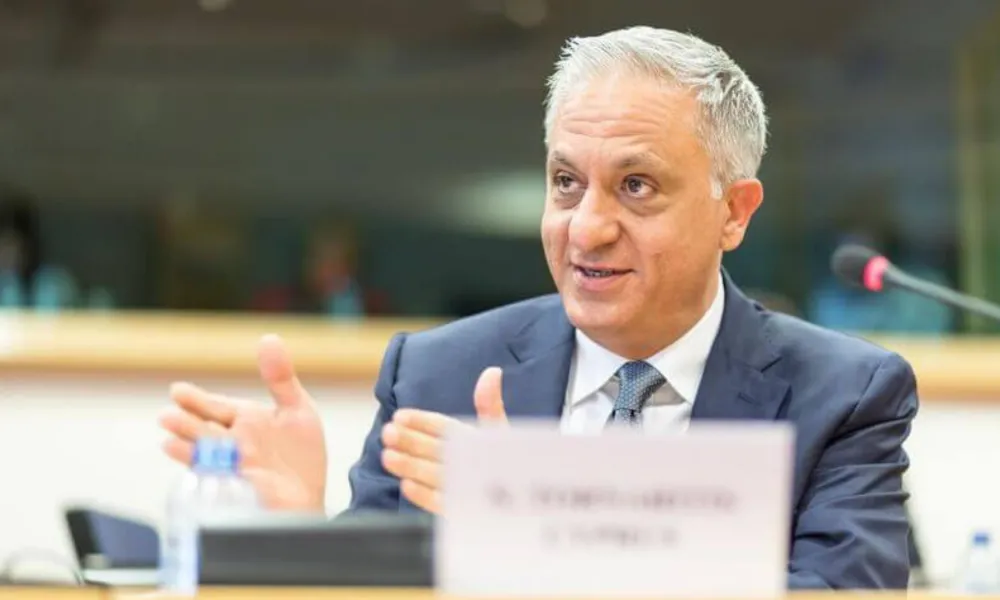
On the occasion of World Alzheimer's Day and Dementia Awareness Month, Maria Symeonidou, an officer of the Ithaki Foundation, spoke to Politis about the true scale of the problem, delays in diagnosis and the difficult daily reality faced by caregivers.
She also highlighted gaps in state policy, the need for financial support from the moment a diagnosis is made and the absence of a comprehensive national registry, at a time when estimates suggest more than 16,000 people are currently living with dementia in Cyprus.
What message did you want to send through this year's awareness activities?
Our message is very clear: no person and no family should feel or be alone when facing dementia.
At the same time, we encourage people to speak openly about dementia, not to fear a diagnosis and to seek help early.
We believe Cypriot society has made significant progress. Today, many more people understand what dementia is and recognise the importance of awareness, early diagnosis and support.
However, there is still a long way to go, particularly in combating stigma, encouraging early diagnosis and ensuring sufficient support for both people living with dementia and their families.
What services does the Ithaki Foundation provide?
Our goal is not only to manage symptoms but, above all, to preserve the dignity, functionality and quality of life of the individual.
Through our Day Centres, Mobile Unit and programmes, we provide cognitive stimulation, social interaction and creative activities. At the same time, we offer information, education, support and respite for relatives and caregivers.
Our approach is holistic and focuses not only on the person living with dementia but also on the family supporting them.
Considerable efforts are being made to expand services and partnerships throughout Cyprus, but we cannot say that access to specialised services is equal across all districts. There are still gaps and inequalities that need to be addressed collectively.
No national registry
Do we know how many people are living with dementia in Cyprus today?
We do not currently have a comprehensive and up-to-date national registry of people with dementia that provides an accurate picture of how many people are living with the condition.
Available estimates are, however, important. According to the latest Alzheimer Europe report, approximately 16,268 people were living with dementia in Cyprus in 2025.
This is an estimate rather than a figure based on a national registry.
The absence of accurate and updated data is a major problem because, without knowing exactly how many people require support, what age groups they belong to, what stage of the disease they are in and which services they use, it is difficult to design future services effectively.
We need reliable data in order to develop policies based on real needs rather than estimates.
Diagnosis
How early are people diagnosed and referred to the right services?
Unfortunately, diagnosis is often delayed.
One of the main reasons is that the first symptoms are frequently attributed to normal ageing, with people assuming that "it is just age".
Persistent memory loss, difficulty carrying out daily tasks that were previously easy, problems finding words, disorientation in time or place, personality or behavioural changes, and difficulties managing finances or routine responsibilities are all warning signs that deserve investigation.
This does not mean every such symptom indicates dementia. It does mean, however, that an assessment by a healthcare professional is necessary.
The first step can be contacting a personal or treating physician, who can then refer the individual for further assessment and, if necessary, to a specialist.
The Ithaki Foundation can also provide guidance and information about available services and support.
The important thing is not to be afraid or embarrassed to ask for help. Early assessment gives families time to understand the situation, organise themselves and plan the next steps.
Benefits from day one
How does the state currently support people with dementia and their families?
There are services and initiatives provided by the state, along with significant efforts by organisations and other bodies that support people with dementia and their families every day.
However, we believe important gaps remain.
One issue we consider particularly significant is the recognition of dementia as a cognitive disability in a way that ensures immediate access to financial and social support for those diagnosed and their families.
Today, a family faced with a dementia diagnosis encounters significant expenses from the very first day.
The need for care, supervision, transport, medical appointments, therapies and, in many cases, reduced working hours or loss of employment for a family member, creates a serious financial burden.
Dementia does not begin when someone reaches an advanced stage. The needs begin at diagnosis.
That is why we believe financial support should not be delayed until the condition becomes extremely severe or until the person has lost almost all independence.
As the Ithaki Foundation, we believe it is necessary to examine the introduction of an allowance or other meaningful financial assistance from the first day of diagnosis, with dementia recognised within the framework of cognitive disability and the rights associated with it.
There is also a need for better coordination of services, more specialised facilities, stronger home-care services and meaningful support for family caregivers.
We must understand that dementia affects not only the person diagnosed but the entire family. The state's support should therefore begin from day one.
Caregivers
What challenges do caregivers face?
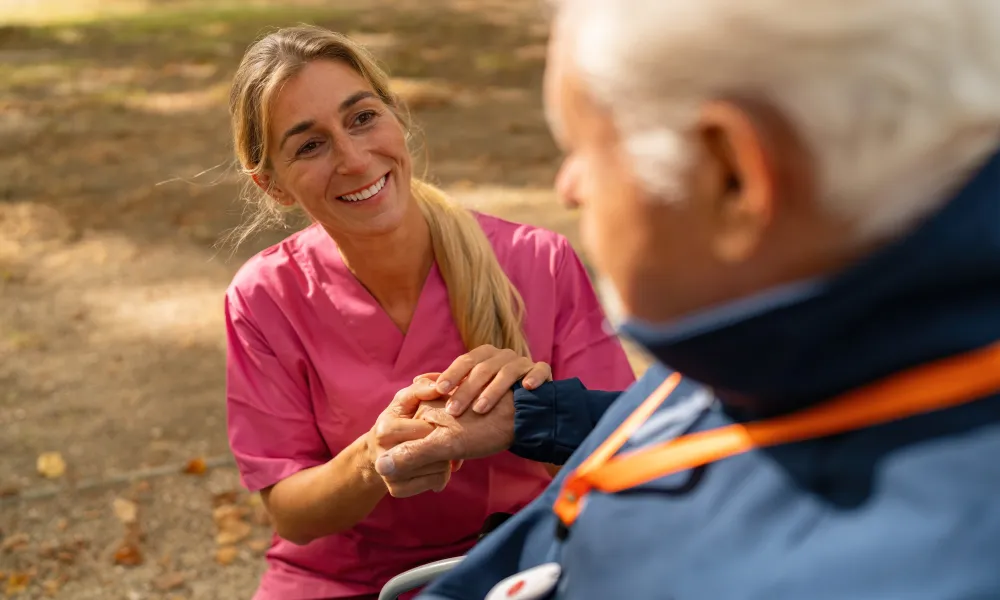
Caregivers often become people who are effectively working 24 hours a day.
Their role extends far beyond practical care. It includes managing behavioural changes, ensuring safety, organising appointments, administering medication, overseeing nutrition, maintaining personal hygiene and coping with emotional pressures.
Many caregivers experience exhaustion, guilt, anxiety and social isolation. In many cases, they must limit their work or personal lives.
Support services such as home-care and social assistance programmes exist, but we believe informal caregivers need much greater support.
A caregiver cannot properly support a person with dementia unless they themselves are supported.
That is why we consider caregiver education, psychological support and respite services to be essential components of dementia care.
The challenge of the coming decades
Population ageing means the number of people requiring dementia-related services will continue to increase.
Alzheimer Europe estimates that the number of people living with dementia across Europe will rise significantly by 2050.
For Cyprus, current estimates already demonstrate the scale of the challenge.
We must begin planning today for the services that will be required in ten or twenty years' time, including more Day Centres, specialised long-term care facilities, home-care services, training for healthcare professionals and caregivers, stronger family support and improved data collection.
Above all, we must change the way we view dementia.
A person with dementia does not stop being a person because they have been diagnosed. They still have rights, needs, emotions and dignity.
Society must create the conditions that allow them to continue living with the greatest possible quality of life and security.
That is also the message the Ithaki Foundation seeks to promote:
No one should face dementia alone.