
The determination of the United Nations to keep alive efforts to restart Cyprus talks is placing renewed pressure on the leaders of both communities and on Turkey itself.
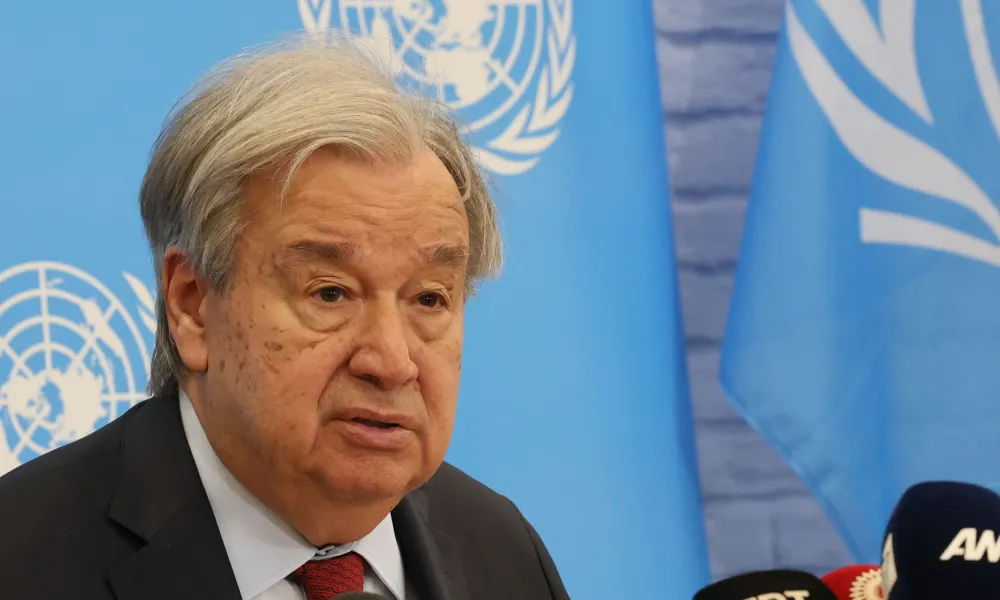
Through her public interventions and warnings, María Ángela Holguín has sought to make it clear that the international community is not prepared to sustain indefinitely a process that produces no tangible results.
In an extensive interview with Politis, the UN Secretary-General's personal envoy outlined a package of confidence-building measures, including new crossing points, demining operations, disaster-response cooperation, and environmental and cultural initiatives. At the same time, she warned that political calculations remain the greatest obstacle to progress.
The stakes, therefore, extend far beyond the opening of a few crossing points.
Confidence-building measures can provide much-needed breathing space for the process. They are not, however, a substitute for political negotiations, nor can they conceal the fundamental differences that remain over the form of a future settlement.
It is nevertheless important that the Greek Cypriot side appears to have shown flexibility on the issue of crossing points by submitting alternative proposals and seeking compromises.
This development matters because it demonstrates that even on issues carrying political and symbolic weight, room for agreement exists when there is sufficient political will. The same approach now needs to be applied to the more difficult chapters of the Cyprus problem.
Equally significant is Ankara's stance.
If Turkey has indeed chosen not to undermine the effort and has given the Turkish Cypriot leadership the green light to cooperate on confidence-building measures, that is a signal that should not be underestimated.
The real test, however, will not be declarations or behind-the-scenes understandings, but whether Turkey contributes in practice to the resumption of a meaningful negotiating process.
Holguín's warning that another failure would cause serious damage should not be dismissed as exaggeration.
Every missed opportunity deepens mistrust, entrenches the status quo and pushes the prospect of an agreed settlement further away.
And the more time passes, the more difficult it becomes to reverse that trajectory.
The year 2027 must not become another year of waiting and managing deadlock.
If the signs of flexibility seen in recent days are confirmed, they could become the starting point for genuine progress.
The two leaderships now have before them both an opportunity and a responsibility: to show that they are not content merely to keep the process alive, but are prepared to work towards a solution.
More declarations of good intentions are not needed.
Decisions are.