The rapid increase in vulnerable users of the road network, from electric bicycles and scooters to young delivery riders, has dramatically altered the road safety landscape in Cypriot cities. A representative of the Traffic Police Headquarters told Politis to the point that the phenomenon is not limited to Cyprus but is global, with PMDs multiplying and exposing their users to increased risks.
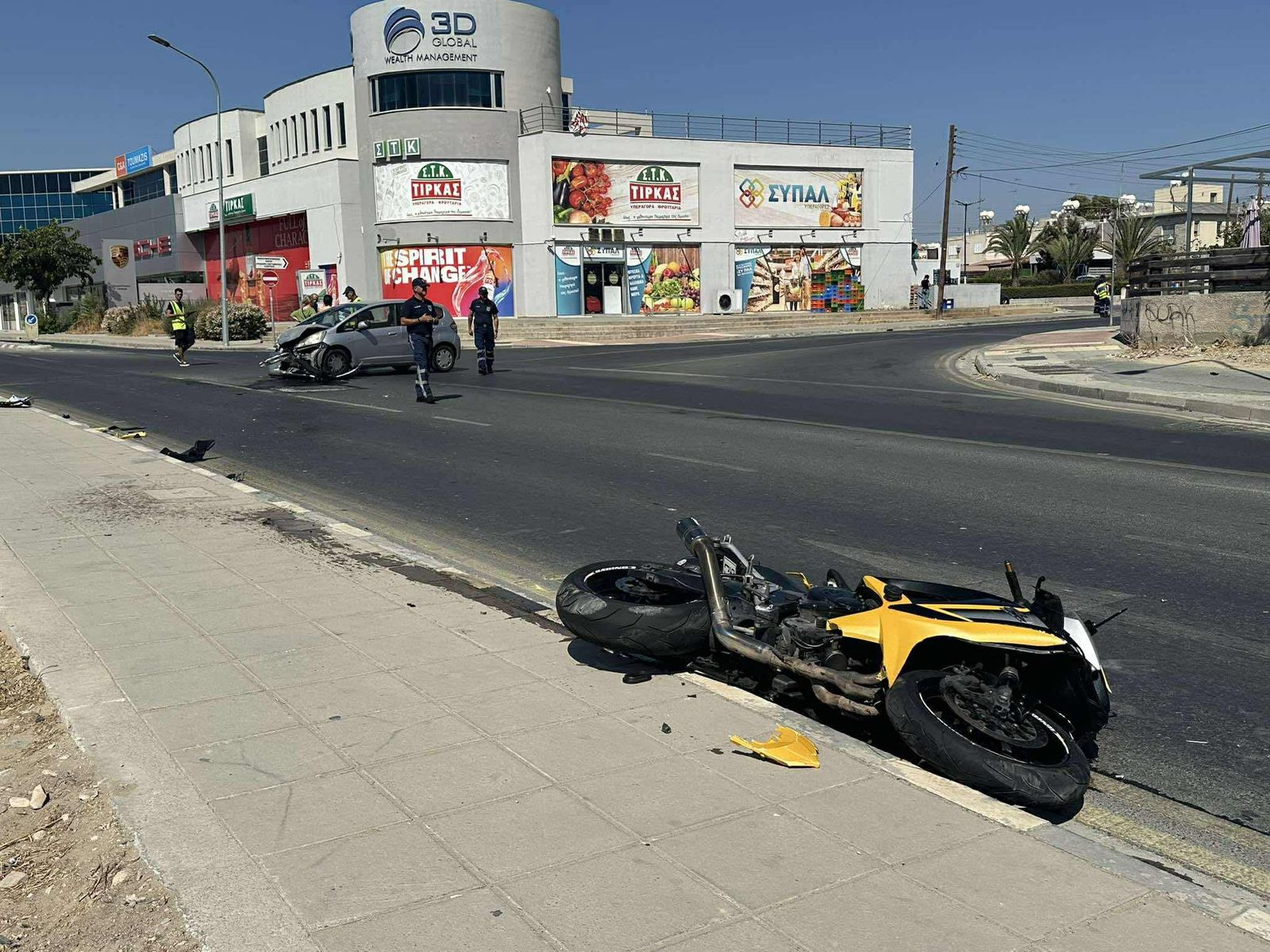
The figures are revealing. During the period 2022 - 2024, 24 motorcycle rider deaths were recorded, while in 2025 alone, to date, a further 16 have occurred.
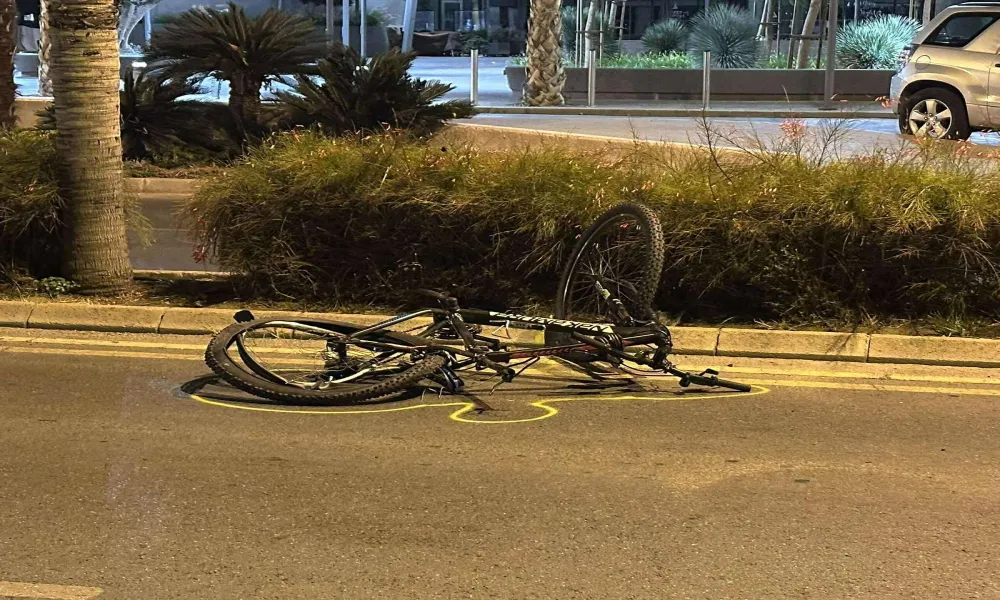
In addition, during the period 1 January to 18 December 2025, one deadly road collision was recorded, on 16 April 2025, with the victim being an electric bicycle rider.
Police on daily patrol are seeing first – hand the consequences of this new reality, as many users continue to operate in non-permitted areas. The Traffic Police representative underlined that the Police have already proposed tightening the legislative framework, even suggesting the confiscation of devices used in non-permitted spaces.
Enforcement and awareness
The Police have already issued instructions for targeted checks and are preparing awareness actions aimed at companies and organised groups, ahead of the implementation of the new driving licence legislation in July 2026.
With regard to delivery riders and motorcyclists, the Traffic Police point out that accidents are often characterised by serious or fatal injuries, while fatigue and long working hours are aggravating factors.
The underlying causes of road accidents largely remain unchanged, but riders on two wheels are far more exposed.
The Traffic Police stress that careless driving, excessive speed and other vehicles cutting across a rider’s path continue to be the primary causes of collisions.
What is certain is that as the number of vulnerable road users increases, so too does the risk for everyone, drivers, pedestrians and workers who move daily on a road network that has not yet adapted to the new reality.
Global phenomenon, social impact
Asked whether the Traffic Department shares the view that the entry of hundreds of two wheeled vehicles onto the roads, including scooter users, e bicycle users and delivery riders, constitutes a phenomenon with social impact, the representative of the Traffic Police Headquarters stressed that this is a global trend that is changing the parameters of road safety and “requires careful approach and management”.
For the Traffic Police, he explained, drivers of electrically powered two wheeled or three wheeled vehicles are considered vulnerable road users, as they are more easily exposed to risks, just like cyclists, motorcyclists and pedestrians.
“Electric vehicles must not be used on any motorway or road of fast traffic, not only because this is expressly prohibited by legislation, but also because they can become particularly dangerous for the safety of road users on such roads, due to the high speeds that are developed,” he said.
Convenience
Responding further, he noted that the increase in PMDs in recent years in European countries is due to the convenience they offer and their cost efficiency. For this reason, the expected further increase in the use of Personal Mobility Devices, and possibly bicycles, makes it necessary to take special measures to improve the protection of their users.
“Everything in the field of mobility is changing. The proportion of vulnerable road users is increasing, while at the same time car occupants are, for the most part, the ones who benefit from the improved safety provided by their vehicles,” the Traffic Police representative noted.
At a social level, it has therefore become apparent that “for several citizens there is yet another reason to avoid using buses and to turn, where they can, to the use of Personal Mobility Devices, due to the conveniences they believe are offered in terms of their movement”.
Daily challenges for Police
Each new reality places additional demands on the Police. Present on the road network every day, the Police and the Traffic Department are fully aware of the challenges and are required to deal with their consequences. According to the Traffic Police, responsibilities have expanded across the board, from enforcement and policing to awareness raising and education.
As he stated, there is a need to take measures “aimed at the best possible implementation of legislation and consequently at protecting both the users of Personal Mobility Devices, who unfortunately mainly travel in non-permitted areas, and the other users of the road network, primarily pedestrians”.
Because of these challenges, the Police have expressed the view that any decision by a municipality or community to designate permitted areas for the movement of such devices would benefit traffic flow, following an assessment of the impact on road safety, particularly for pedestrians, and of course following consultation with the Police and the Public Works Department, as well as any other body deemed appropriate by the municipality or community, in accordance with legislation.
In addition, the Traffic Police recently approached the Permanent Secretary of the Ministry of Transport, Communications and Works, requesting a tightening of the legislative framework.
Confiscation of devices
Specifically, according to the Traffic Police Headquarters representative, “we expressed the position that in cases where a person uses a Personal Mobility Device in a non-permitted area of movement, the vehicle should be confiscated by law enforcement authorities”.
He underlined that this phenomenon is intense in all cities and has taken on alarming proportions, given that users of these devices, as vulnerable road users, are constantly exposed to risks on the road network, as they travel on roads where the maximum speed limit exceeds 30 kilometres per hour.
Core problem
Asked to pinpoint the main issue Asked where the Police identify the core problem, the Traffic Police representative said that, in the case of Personal Mobility Device users, it lies primarily in their continued use of non-permitted areas.
As he said, it has not been fully understood that the use of MPDs is only permitted on roads where a traffic sign is posted indicating a maximum permitted speed of 30 kilometres per hour, and/or on any cycle path, cycle lane or area that is an extension of a cycle path, intended to provide for shared use by cyclists and pedestrians and marked with a specific traffic sign.
It has also not been understood that the use of PMDs is prohibited in any square or pedestrian street, with the exception of areas designated as permitted areas of movement by decision of the relevant municipality or community, published in the Official Gazette of the Republic.
As far as motorcyclists are concerned, the problem is mainly linked to careless and dangerous riding, as well as excessive speed. At the same time, the obstruction or sudden cutting off of their path by other vehicles is also identified as a major contributing factor.
Accidents
What characterises accidents involving two wheeled vehicles, and what is the reality on the road for new drivers, particularly those from different cultural backgrounds who are required to work long hours?
-
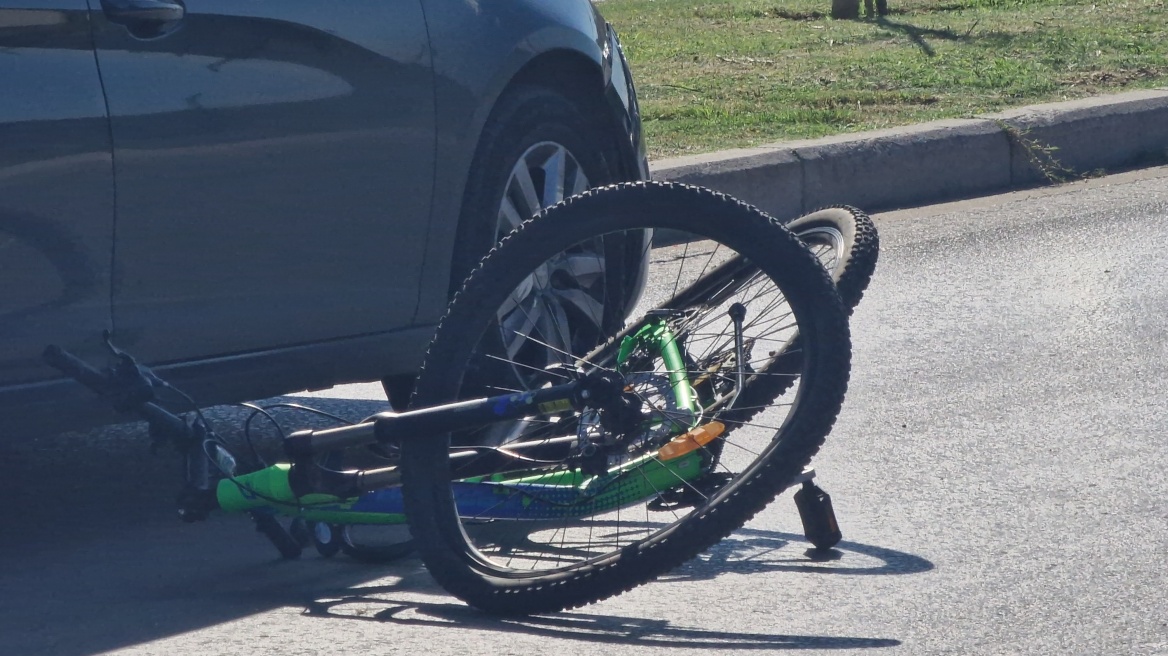
Personal Mobility Devices: Collisions most often result in injury to the pedestrian or the device user, rather than to the driver of a motor vehicle.
-
Fatigue factor: Risks for users of Personal Mobility Devices increase significantly when fatigue is present.
-
Motorcycles: Collisions typically lead to serious, critical or fatal injuries to the motorcyclist.
New licensing rules
In response to a comment by the Point that the paradox is that while learner licences have been changed to motorcycle licences, the roads have filled with e bicycles for professional use, leaving young drivers exposed, the Traffic Police representative said that under the Driving Licence (Amendment) Law of 2023, Law 144(I)/2023, a holder of a learner driving licence in categories AM, A1, A2 and A, who drives on any road or other public place for purposes relating to the delivery of products, including ready made food, beverages and other edible products or items, or courier and postal services, is prohibited from driving a motor vehicle of these categories.
“For the driving of these vehicles, possession of the prescribed full driving licence is required and not a learner driving licence. This legislation is expected to come into force on 1 July 2026, instead of 1 January 2026,” he said.
In any case, it is a reality that vehicles whose road use is not permitted under current legislation are circulating on the road network.
Beyond illegality, the presence of these vehicles on the road, incuding electric bicycles and electric scooters, dramatically increases the risk of road collisions, resulting in fatal or serious injuries.
Following complaints that non approved electric bicycles are circulating on the road network, with maximum speeds exceeding 25 kilometres per hour or maximum continuous power exceeding 0.25 kilowatts, instructions have recently been issued to carry out road checks aimed at effectively addressing this problem. In such cases, the practice of confiscating the vehicle will apply.
Furthermore, the issue will also form part of public information and awareness for organised groups, especially in goods transport, as with the entry into force of the Driving Licence (Amendment) Law of 2023 relating to two wheeled vehicle drivers, an increase in the use of electric bicycles is expected and it must be ensured that vehicles not permitted for use are excluded.
“Our aim is to exclude from the road network vehicles whose circulation is illegal, but above all dangerous for drivers and other road users,” he said.
Finally, with regard to awareness campaigns, the Traffic Police representative said that educational campaigns are carried out from time to time and informative leaflets are distributed. Efforts are being made to translate these leaflets so that they can be issued in other languages, beyond Greek and English.