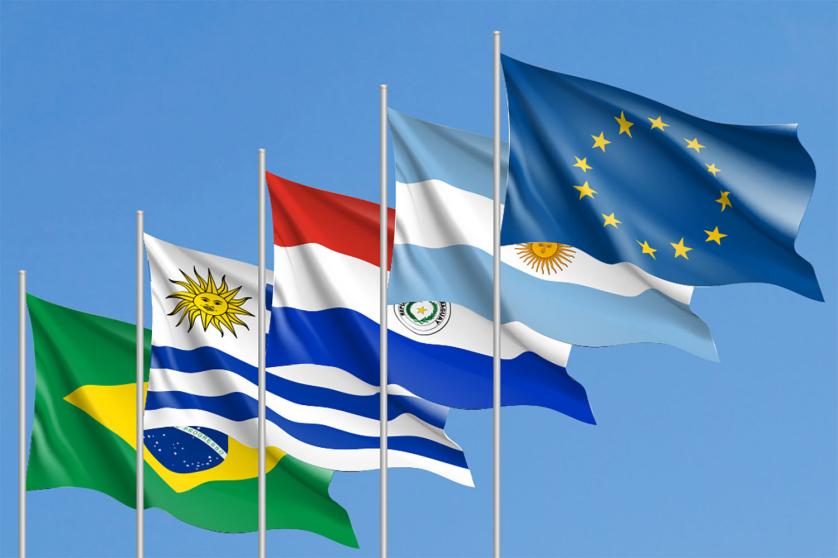
MEPs will vote on 21 January on whether to refer the EU-Mercosur trade agreement to the European Court of Justice. According to EurActiv. If the resolution passes, ratification of the deal would be suspended until the Court issues its opinion, potentially requiring amendments if the agreement conflicts with EU treaties. EurActiv notes that some MEPs fear the European Commission could try to apply the agreement provisionally, even without full parliamentary approval. The vote will test whether the European and national parliaments can assert their role in approving so-called “mixed” agreements, which require approval at both levels.
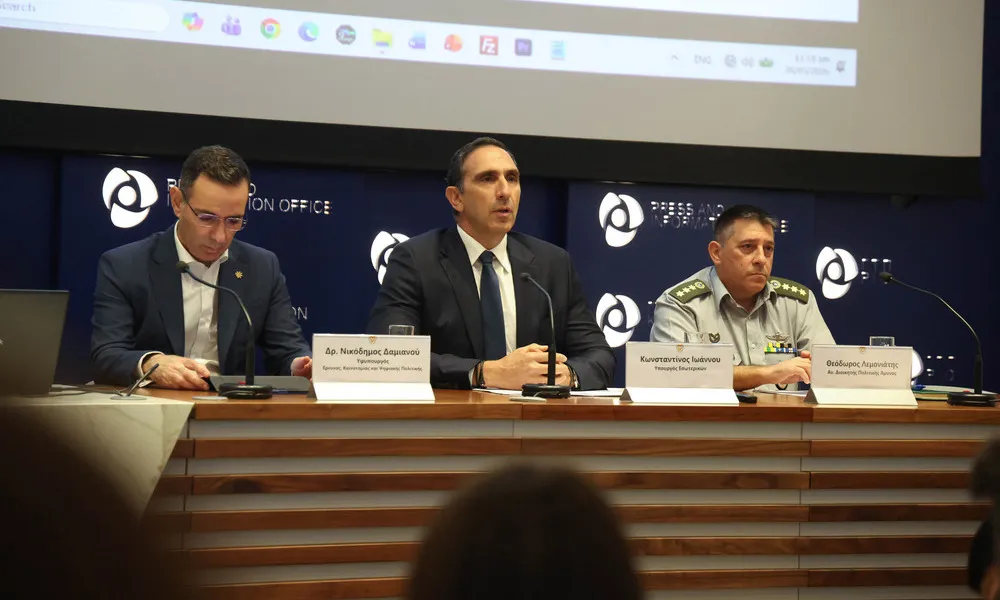
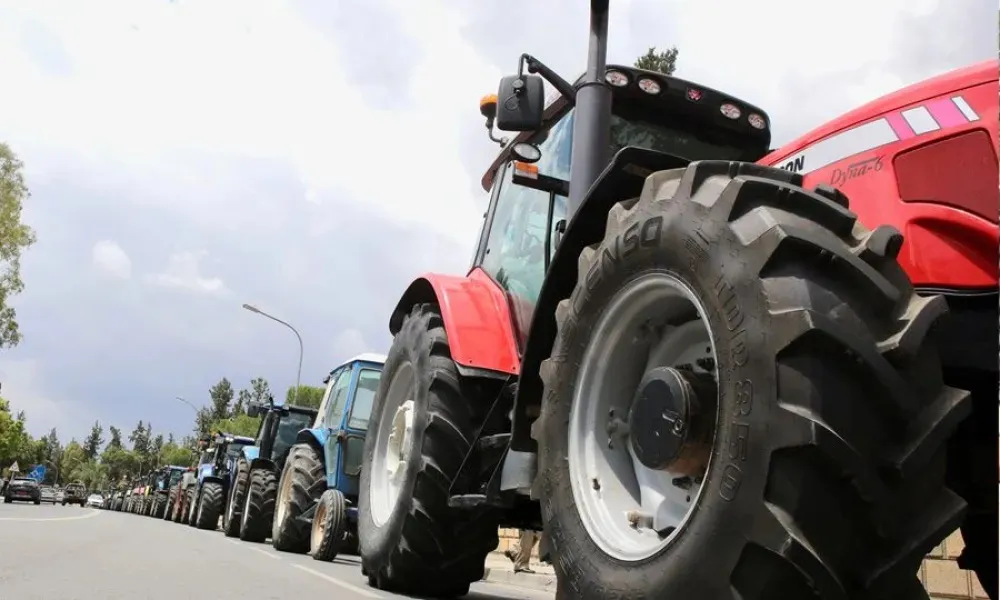
The development comes as questions mount over Cyprus’ own decision to vote in favour of the agreement. Despite an extensive parliamentary Agriculture Committee session on Wednesday lasting over two hours, repeated questions from MPs were met with no clear response from the government. The absence of the Minister of Commerce, Michalis Damianou, did little to ease concerns among MPs and agricultural organisations, who fear that Cyprus agreed to the deal without defending the interests of local producers and without safeguards against unfair competition from cheap imports. Agricultural groups expressed frustration at the lack of prior consultation and warned that the incomes of Cypriot farmers are likely to be harmed, noting that such agreements tend to disadvantage smaller importing nations.
"You sold out the producers"
In Cyprus, Wednesday, the debate heated up when a representative from the Ministry of Foreign Affairs, responsible for coordinating the relevant ministries, stated that the decision was made after internal meetings rather than public consultation. He highlighted that products such as soymeal for animal feed and two-thirds of imported coffee already come to Cyprus from Mercosur countries. He argued that the agreement would not negatively affect Cyprus and could even benefit the economy and consumers, while also creating export opportunities for products such as halloumi and Cypriot pharmaceuticals. Agricultural representatives reacted angrily, with Panikos Hambas, general secretary of EKA, saying, "Did you decide for us without us? Are you not ashamed? You sold out the producers. Shame on you. You are liars." To calm tensions, the Committee chairman Giannakis Gavriel asked the Foreign Ministry to submit the minutes of the meetings to parliament.
Parliament left powerless
The Ministry of Foreign Affairs clarified that Cyprus’ House cannot reject the deal in full because it is split into two parts: the interim trade agreement, already approved by most EU member states, and the political agreement. Even if the political agreement is rejected, the interim trade deal, which concerns investment issues under EU competence, would remain valid. The second part, described as a mixed agreement, will address investments as well as environmental issues.
Halloumi concerns
Lawmakers raised concerns over halloumi, which was not included in the list of 350 EU PDO products protected under the agreement, and whose commercial name has yet to be registered in Mercosur countries. Agriculture Minister Maria Panayiotou explained that halloumi was not on the list at the time because it had not yet received PDO status. She added that the agreement allows for updating the list after ratification.
Health risks
AKEL SG Stefanos Stefanou warned that the deal has serious implications for public health. He questioned why Cyprus would vote in favour when the EU has banned several pesticides, fearing they could enter the country indirectly. Concerns were raised about the use of prohibited antibiotics in meat from Mercosur countries, with some describing the agreement as biased toward certain industries, particularly in Germany. Farmers’ groups stressed that no consultation took place and that agricultural products in Mercosur countries are not subject to strict controls.
No compromise
Health Minister Neophytos Charalambides assured parliament that the Ministry of Health will not compromise on public health standards. He noted that European regulations already require all food imports from third countries to undergo rigorous safety checks, which will apply under the agreement. He also cited past imports from Latin America with no reported issues.
Meanwhile, in a report titled "The EU-Mercosur trade agreement cannot be implemented without the approval of MEPs, who are set to vote next week on a legal challenge against it", Euronews points out that Paris is determined to take the fight to the European Parliament, where lawmakers could also sink the agreement outright, as EU treaties require Parliament’s consent for the ratification of trade deals.