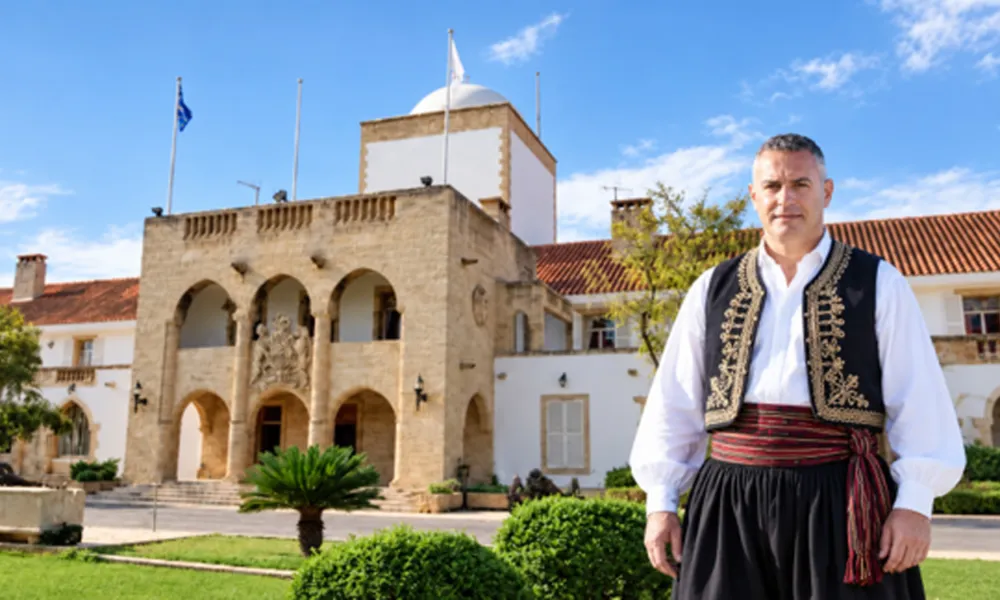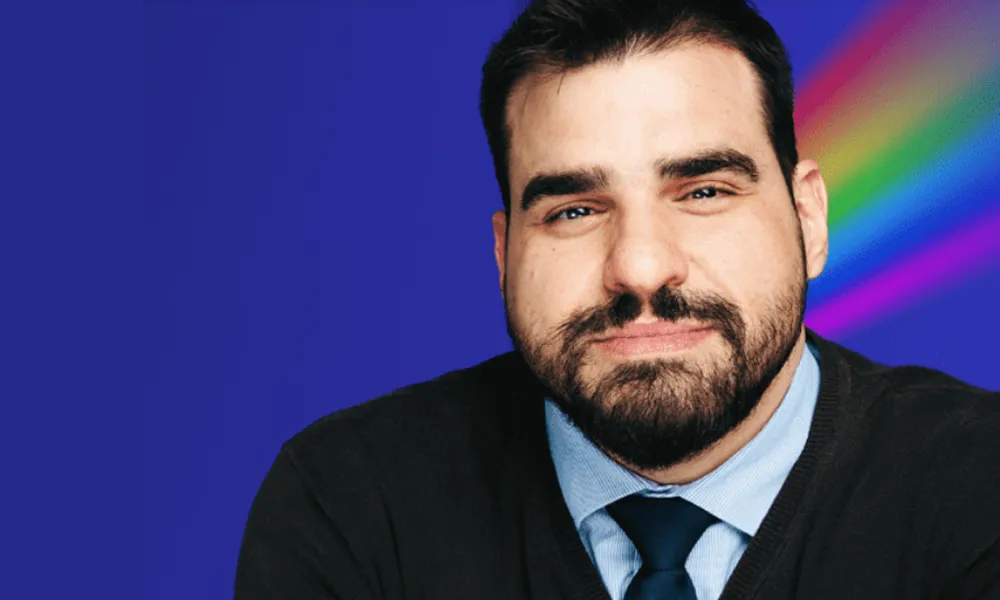

This week added yet another entry to the long list of disappointments in our political life: the withdrawal of Costa Gavrielides’ candidacy for DISY. A disappointment not just for Costa himself, but for what it reveals about the space our parties allow for new ideas. Here is a pioneer: co-founder and first president of Accept-LGBTI Cyprus, adviser to the President of the Republic, and a pioneer of Pride in Cyprus, arguably one of the most successful civic events of recent years. With such a proven record, one would assume he was a strong candidate for Cyprus’ 2026 parliamentary elections.
And yet, perhaps I should have known better. I thought the same in the case of Dimitris Lambrianides, the respected President of the Cyprus Paraplegics Organisation, also a fighter and a visionary. He achieved important milestones for people with disabilities, advancing accessibility, sports, and care in Cyprus. Backed by the party’s previous leadership, he ran under DISY’s banner in the previous elections but was ultimately rejected by the base.
Costa’s Facebook post made it clear that withdrawing was not an easy decision. Yet what stands out is less his hesitation than the party leadership’s failure to rein in old-school reflexes and act instead as a driving force for change. Even more disappointing is the way conservative voices address only conservative voters, leaving entire groups on the sidelines: Women, LGBTQ+ people, the disabled, the elderly, and above all, the young.
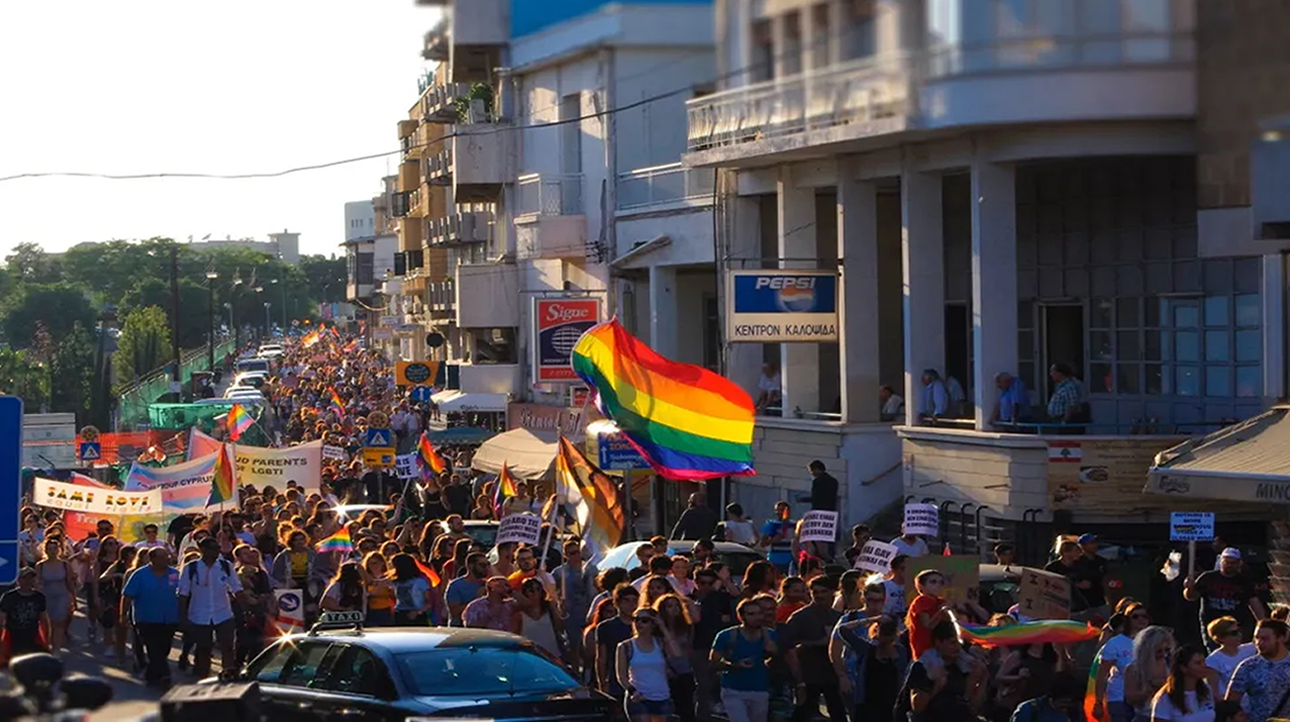
attracted the crowds that Pride has.
Using these groups to raise the party’s profile and signal modernisation, only to later sideline them, is backstabbing, at least as ethics would define it. In politics, though, backstabbing is common currency. Anyone who wants to get involved should know this, and by that logic Costa should not have resigned. Politics rewards those immune to insult, and it is precisely these kinds of people who endure. In Costa's case the fact that he withdrew only from his candidacy, not from the party underlines his principles but also his resilience, a hallmark of activists. Because it is activism that drives real change, and that takes guts. For DISY, a party that had taken the specific step of putting him forward, to then retreat in this way is particularly vile.
What this episode also reveals is something deeper: unless you are “one of their own,” true acceptance is almost impossible. The result is a cadre of individuals who often lack competence, yet remain entrenched because they came up through the party’s youth ranks, treated as if entitled to a lifelong career. Cyprus is littered with such figures in positions of influence and on public boards.
These cases point to a pattern: the leadership signals openness to diversity, women, people with disabilities, LGBTI figures, but fails to carry its grassroots with it. When the real test comes, the old instincts prevail. The horizon is not social progress, but electoral arithmetic. The result? Candidate lists dominated by men in suits and ties, indistinguishable from one another, perpetuating the “boys’ club” culture that blocks renewal.
So what does DISY want to be? A party capable of reshaping Cyprus for the next generation, or one that simply replicates its own image until it fades? Leadership can no longer stop at gestures of inclusion. The harder task is to change the culture, to convince the rank-and-file that diversity is not a threat to winning elections but the only path to political relevance in the future.
Gavrielides’ departure is not his failure. It is DISY’s failure, and a real opportunity to prove it can change.