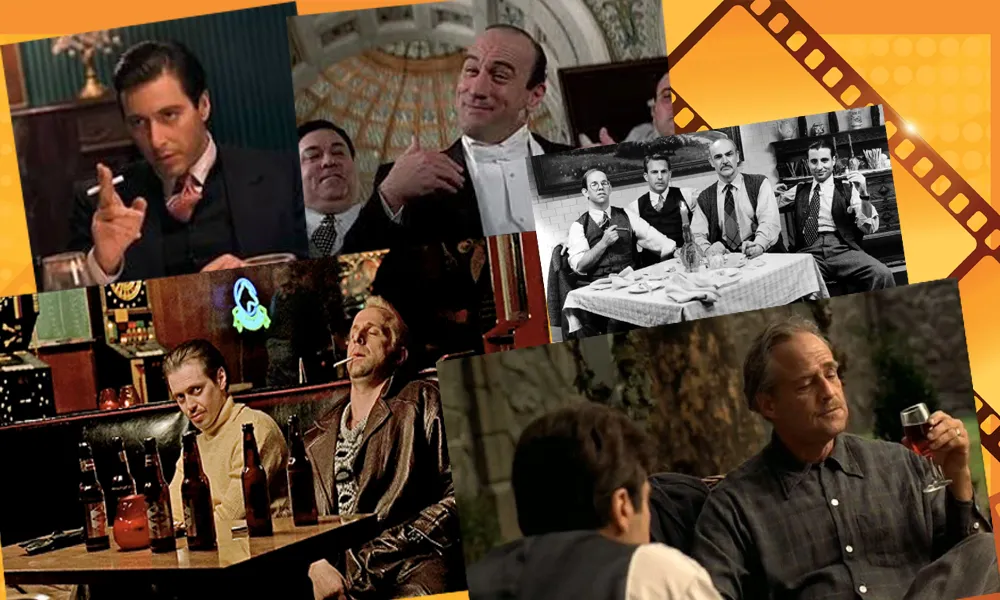
There is a particular pleasure in watching characters in mafia films swagger around, boast, and perform authority simply by claiming it. They smoke cigars, drink the finest whiskies, and speak as if the world owes them everything, as if proximity to influence instantly grants them control. Everyone else, bound by bureaucracy, deadlines, work, and the grind of everyday life, is expected to step back, admire, and make room. All this despite the fact that the audience recognises the absurdity of it all, and understands that it is nothing more than the theater of greed. One that never ends well for its so-called heroes.
The Coen universe
The Coen Brothers have perfected this art. In Fargo (1996), Jerry Lundegaard constantly name drops “the GM guys”, “people downtown”, and “my father in law”. He never names anyone specific because he does not actually know anyone important. The vagueness is the tell. His authority is borrowed, not earned, and the audience senses immediately how fragile his confidence is.
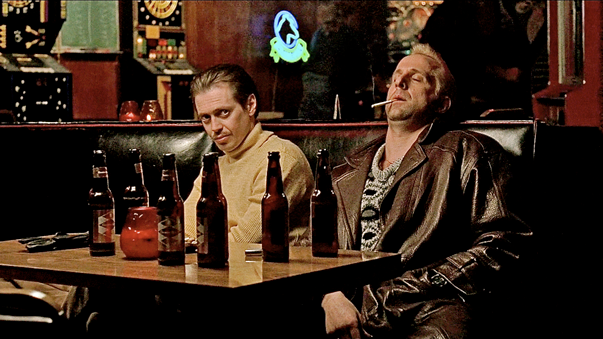
The same dynamic drives Burn After Reading (2008). Chad and Linda pepper their conversations with CIA jargon, throwing around words like “classified” and “national security” with complete assurance. They have no understanding of what those terms mean, but the performance of importance is enough to impress themselves. The audience sees the thinness beneath the bluster. Proximity is mistaken for power, and confusion is worn like confidence.
This pattern runs throughout the genre. In The Big Lebowski (1998), Walter’s constant references to Vietnam, rules, and moral order inflate trivial bowling disputes into matters of life and death. His specificity is ornamental. It creates the illusion of control, the insistence that what he says carries weight simply because he delivers it forcefully.
These characters also avoid names, preferring ranks and titles. “He is a real somebody.” “This guy is high up.” “Top brass.” In No Country for Old Men (2007), Carla Jean’s mother drops names with the calm seriousness of someone offering protection. She is referring to socially respectable people, not actual power, yet she treats the mention as a shield. Authority, even imagined authority, becomes a kind of currency.
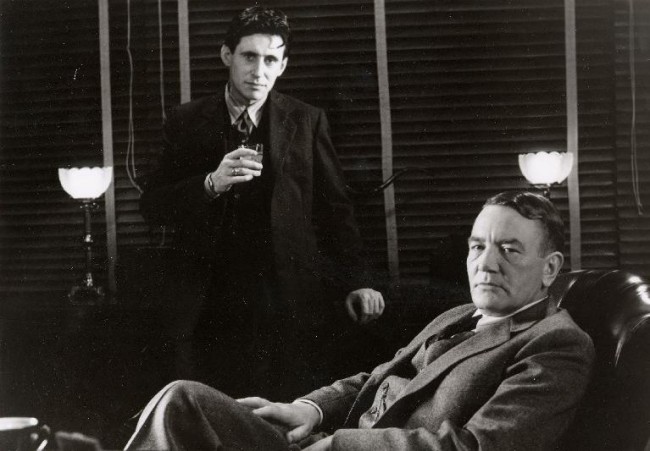
Second hand confidence is another recurring trait. In A Serious Man (2009), Larry’s brother Arthur repeats things he has heard about legal and financial systems with absolute certainty, despite being incapable of navigating them. In Miller’s Crossing (1990), low level gangsters deliver messages from the boss as though they were decision makers themselves. “This is how Leo wants it,” they say, unaware they are merely conduits.
The audacity does not end with name dropping. Coen characters routinely elevate trivial matters into grand conspiracies. A misread gym disc in Burn After Reading becomes international espionage. A casual remark in Fargo carries the weight of existential crisis. Language swells to mask incompetence, borrowing gravity where none exists.
Beyond the Coen Brothers, The Untouchables (1987) offers a subtler version of the same entitlement. Al Capone’s men move through Chicago with the ease of those who believe the law exists only to accommodate them. Their conversations are filled with half jokes, casual threats, and references to unnamed officials and businessmen. They invoke names not to inform, but to borrow authority, convinced that proximity to power has made them power.
The Corleone authority
The Godfather (1972) adds another layer. Vito Corleone represents authority that has been earned and disciplined. Around him, however, gather ambitious relatives and junior associates who imitate confidence without restraint. They boast of judges, senators, and connections in Washington with vague certainty. Michael Corleone watches them closely, understanding that this kind of arrogance is often fatal. Influence, the film reminds us, is cultivated, not assumed.
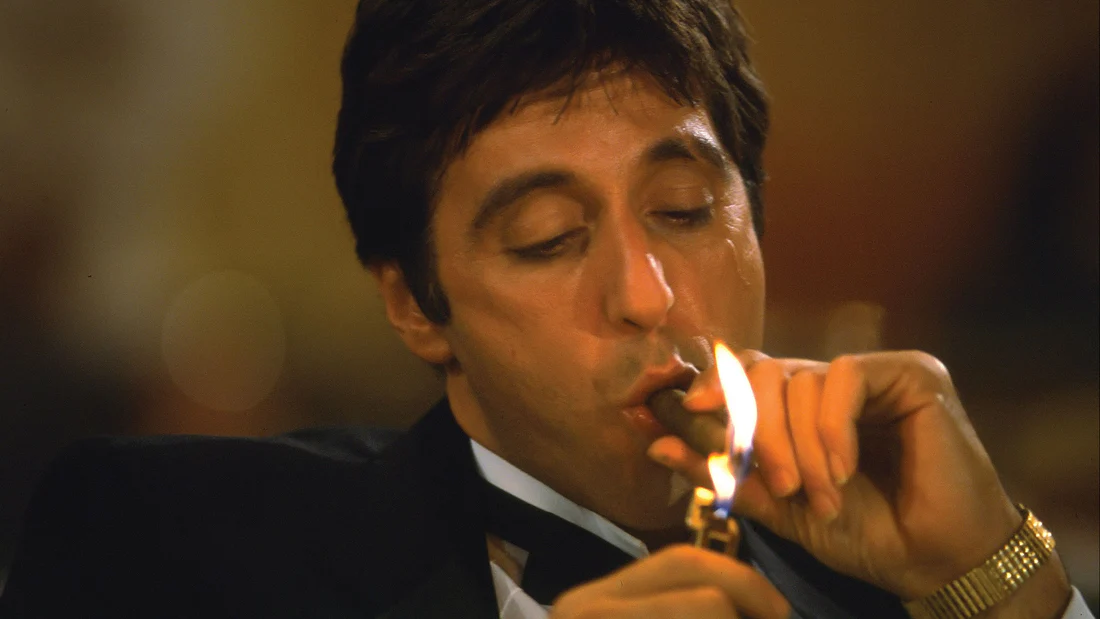
The genius of these films, from the Coens to Coppola and De Palma, lies in their exposure of the overconfident mind. Authority is always performative. Confidence is a mask. Name dropping, inflated language, and exaggerated seriousness are tools used to borrow weight where none exists.
The mixture of entitlement, greed, and the desire for easy money is universal. These characters believe the world owes them because they have taken shortcuts or brushed against power. Their audacity and charm are both comic and unsettling. The audience sees what they cannot: the fragility behind the performance.
The lesson, if there is one, is simple and familiar. Authority must be earned, not borrowed. Proximity does not equal control. Boasting does not equal competence. And that is why these films work so well. The men on screen may feel untouchable, but the audience knows better. The ending is already written.