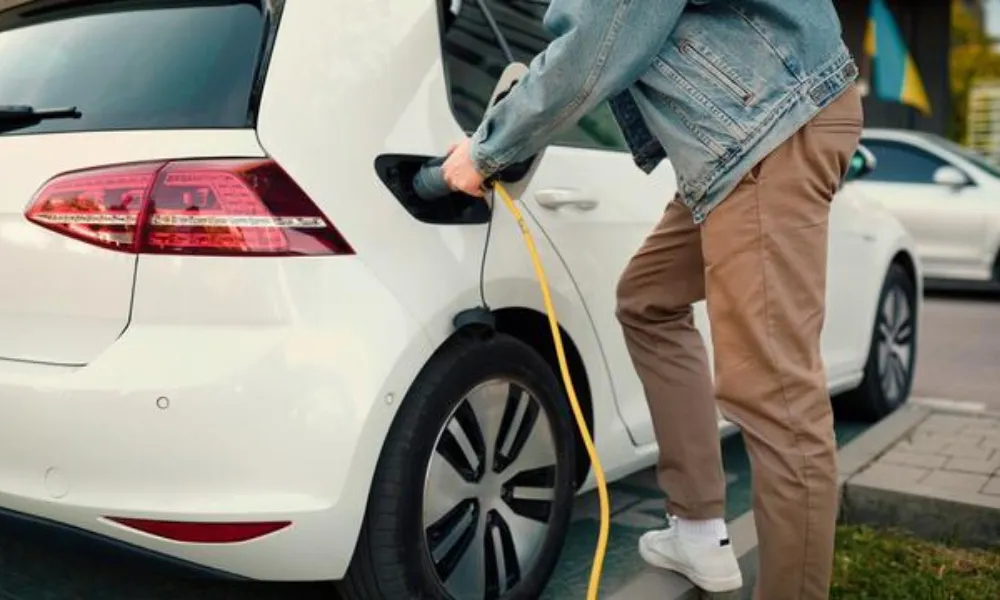

Cyprus continues to struggle with one of its most persistent environmental challenges: road transport emissions. Despite European obligations for cleaner mobility, progress in electrification remains slow, uneven and often fragmented. The EU framework is tightening, fuel costs are rising and the pressure to cut emissions is escalating, yet the country’s shift to electric vehicles is far from the pace required.
In February 2024, then Minister of Transport Alexis Vafeades described the response to the subsidy scheme for electric cars as encouraging, suggesting the ambitious goal of 80,000 electric vehicles on the road by 2030 was now “feasible”. But as 2025 draws to a close, and despite signs of market maturity, the numbers tell a different story.
Just 6,500 electric vehicles on the road
From January to October 2025, total vehicle registrations rose by 4.2 per cent to 44,732. In the passenger car segment, registrations increased by 4 per cent, reaching 34,782. The market share of fully electric vehicles grew from 3.8 per cent to 4.8 per cent, translating to 1,670 new EVs in the first ten months of the year.
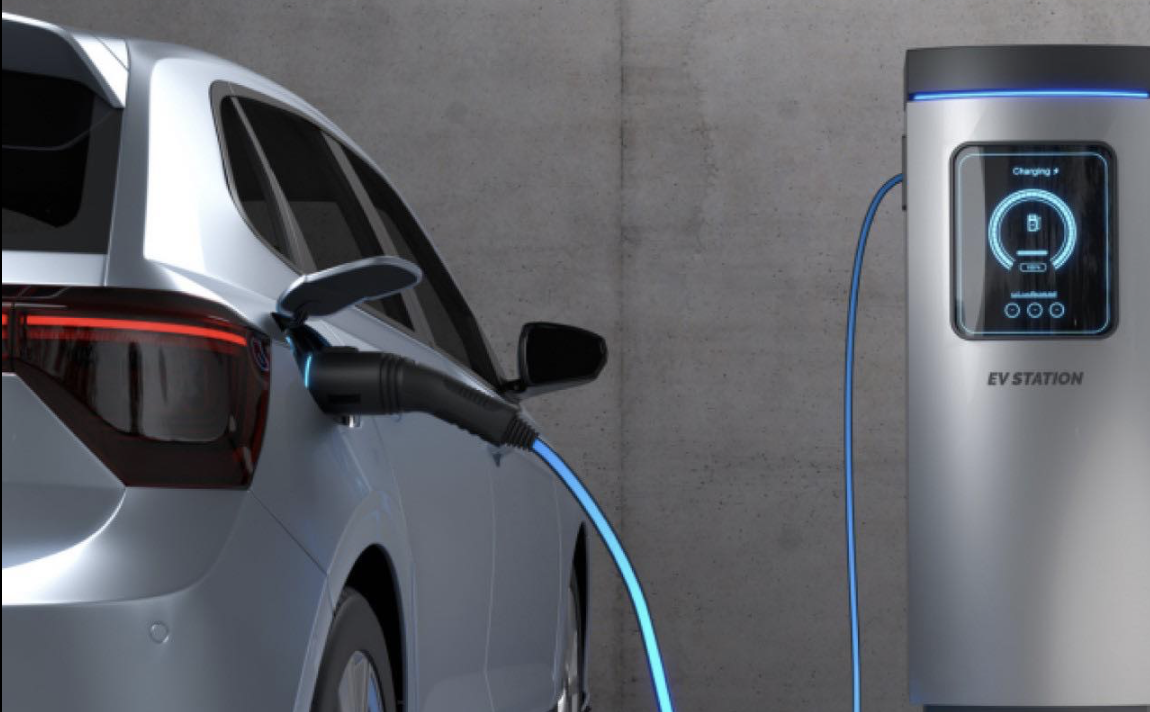
Electric vehicle registrations only began to accelerate with the launch of the national subsidy plan, and the current EV fleet is estimated at around 6,500.
Incentives and a new round of grants
The backbone of Cyprus’ EV transition remains the National Grant Scheme, funded through the Recovery and Resilience Facility, with implementation running until the end of 2026. The latest phase, announced last week, allocates €36.5 million, including €26 million for EV purchases and €10.5 million for scrapping older vehicles. Demand has been intense, with previous rounds exhausted within minutes of the online platform opening.
On 5 December, the platform reopened for the fourth call, accepting applications until 9 December. This round totals €5.62 million and includes 520 grants for new and used EVs, as well as vehicles for large families and persons with disabilities. A key change simplifies verification procedures: the grant is now linked to the registration of the vehicle rather than to payment processing, which the ministry says will speed up implementation. If applications exceed available grants, a draw will take place in the presence of the media.
High demand but limited capacity
Sotos Trikomitis, president of the Association of Motor Vehicle Importers, believes the 520 grants in the new round cannot meet demand. “Applications will exceed 2,000. People want electric cars,” he told Politis, noting that grants in previous cycles disappeared “in three to four seconds”.
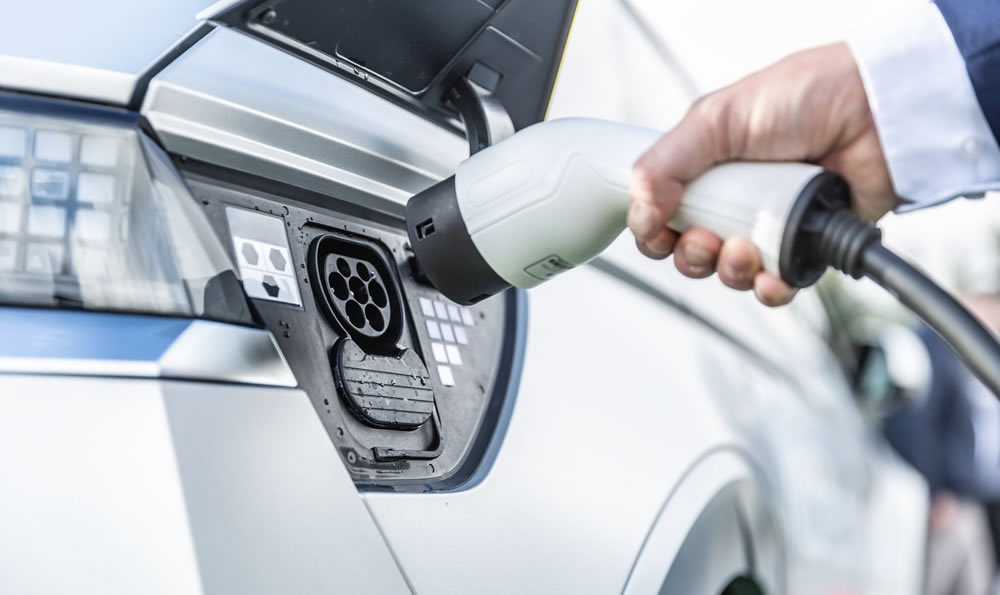
He stressed that subsidies are not a bonus but a decisive factor for market growth. “Without a subsidy, demand for electric vehicles drops dramatically.” Some companies, he added, have introduced private support of around €7,000 to make EV prices more attractive.
A target openly questioned
Trikomitis openly challenges the government’s target of 80,000 electric vehicles by 2030. “Without continuity in the subsidy programme, we will never get anywhere near 80,000. It is a deceptive dream,” he said. With current registrations at around 1,700–1,800 EVs up to October, he argues the pace is far too slow. The association has proposed an additional stable allocation of €15–20 million annually from 2026 onwards to ensure “predictability and continuous flow”.
He added that EV prices are already decreasing, partly due to strong EU pressure on manufacturers to reduce emissions. “This year, the industry faced a €15 billion fine, negotiated to be paid over three years. Europe is pushing for lower emissions, noise and consumption, forcing both manufacturers and consumers toward electric mobility.”
Slow progress on charging infrastructure
Although sales are rising, charging infrastructure remains the weakest link. According to the Electromechanical Service, 134 applications have been submitted for new public charging stations, of which 106 have been approved. Distribution by district is as follows: Nicosia 44, Limassol 17, Larnaca 15, Paphos 13, Famagusta 17. Most are located in major private facilities such as retail areas and fuel stations.
The electromaps.com platform currently lists 197 public charging points across Cyprus, far below the needs of a growing EV market.
New law sets mandatory charging coverage
The picture is expected to shift with the approval of the new Law on the Organisation of Recharging Infrastructure, which incorporates the European AFIR Regulation. It sets binding targets: fast-charging stations every 60 kilometres along the motorway network, coverage of urban hubs and strict licensing rules, including penalties for chargers operating without approval or failing to meet technical requirements.
Slow pace for the “Electrification with 1,000” scheme
The government’s plan to deploy 1,000 public chargers remains behind schedule. So far, only 114 agreements have been signed for the installation of 321 chargers.
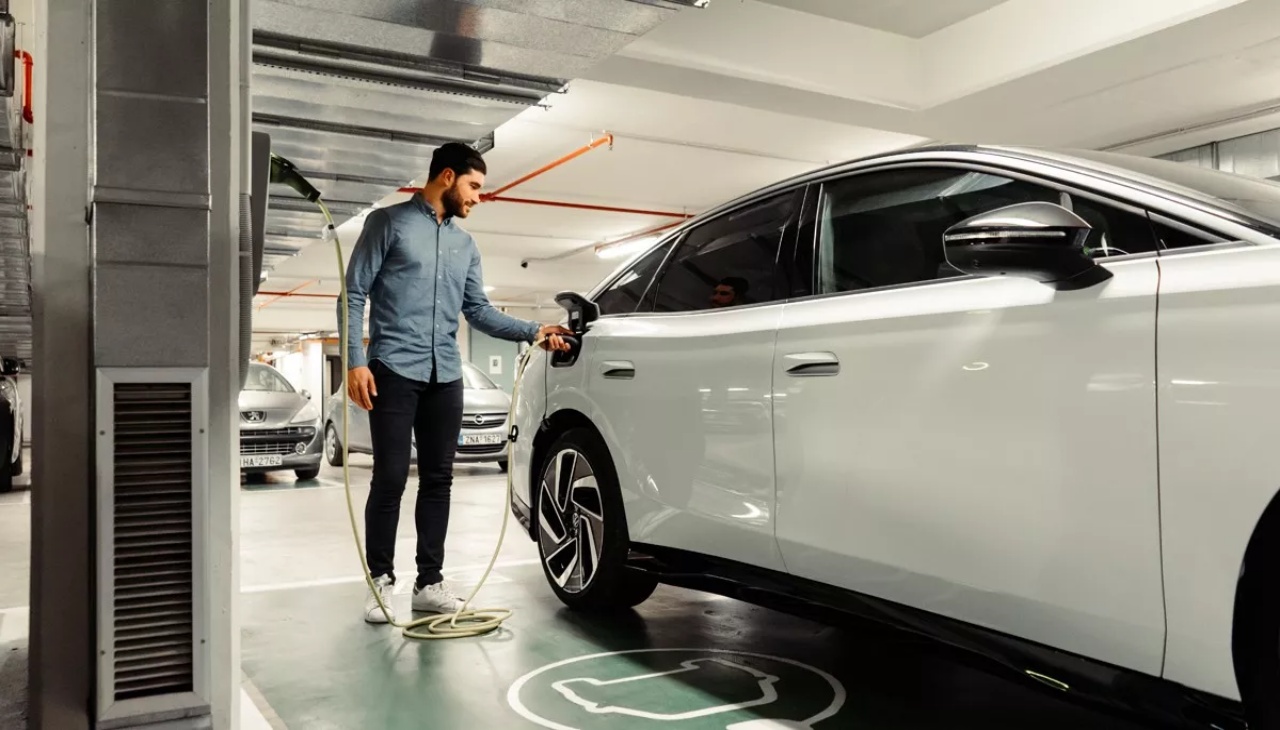
The Electromechanical Service also plans to install 10 new stations containing one DC 90 kW fast charger and one AC 22 kW charger at locations including hospitals, Troodos Square, the Choirokoitia archaeological site and major bus terminals in Paphos and Polis Chrysochous. A further 13 high-power charging clusters will be installed at 11 strategic points over the next two years under AFIR.
“I pay €80 for electricity instead of €220 for petrol”
Beyond statistics, drivers’ experiences illustrate the shift. Andreas, owner of an Audi e-tron and formerly an Audi A4 petrol model, told Politis he turned to electric because of “the technology and the far lower running costs”. He charges mainly at home using a personal charger and also uses AHK’s e-charge service. He typically charges up to 80 per cent to protect battery life and estimates his monthly charging cost at €80, down from €220 on petrol.
His biggest concern remains charging time. “Infrastructure exists, but waiting up to two hours is not ideal,” he said, noting that more fast chargers and integrated home-charging solutions would help significantly.
The truth about EV batteries
Battery life remains one of the biggest concerns for potential buyers. However, a recent study by US firm Recurrent, analysing real-world data from thousands of electric vehicles, offers reassurance.
Findings show that while batteries lose some range over time, the decline is far smaller than commonly believed. Some models exhibited almost no degradation after three years, while others retained more than 96 per cent of original range. Even brands showing slightly greater losses remained above 90 per cent.
Modern EVs protect their batteries through software that reserves a portion of capacity, manages charging and adjusts driving behaviour to reduce strain. Experts note that most battery degradation occurs early in the vehicle’s life and then stabilises. In short, fears of rapid battery deterioration are not supported by real-world data. EV technology has advanced to the point where long-term performance is both durable and predictable.