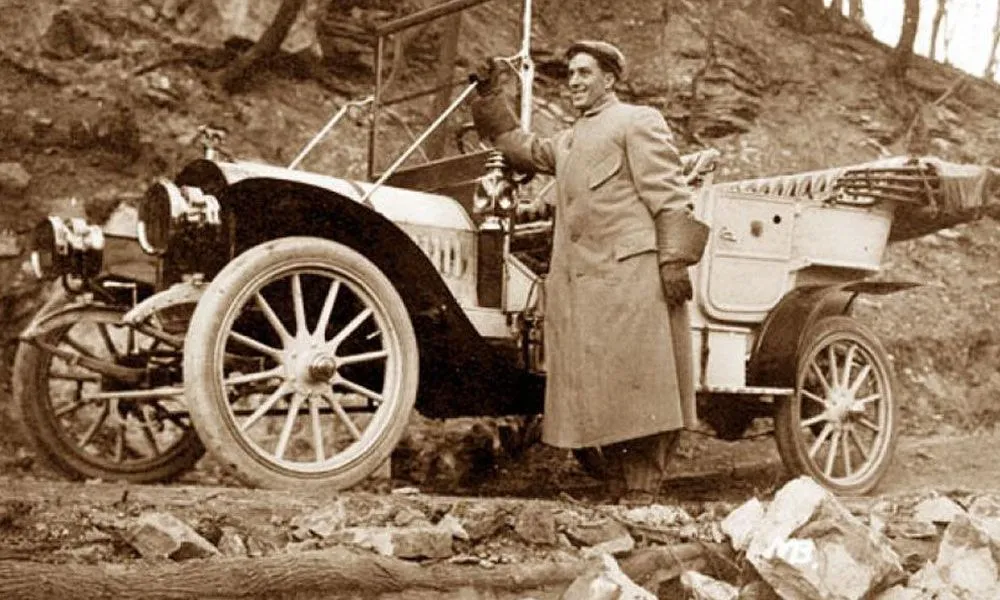
The year 1886 is considered the birth of the modern car, when German inventor Karl Benz secured the patent for his Benz Patent-Motorwagen. Just over twenty years later, in 1907, the first car appeared in Cyprus, on the streets of Limassol, marking the beginning of a new era in transport for the island.
From early inventions to global adoption
The car, or motor car, a wheeled passenger vehicle with an integrated engine used for transport, became widely available in the early 20th century. One of the first mass-produced models was the Model T of 1908, an American car built by the Ford Motor Company. Cars were quickly adopted in the United States, where they soon replaced horse-drawn carriages and carts, but it took much longer for them to be accepted in Europe and other parts of the world.
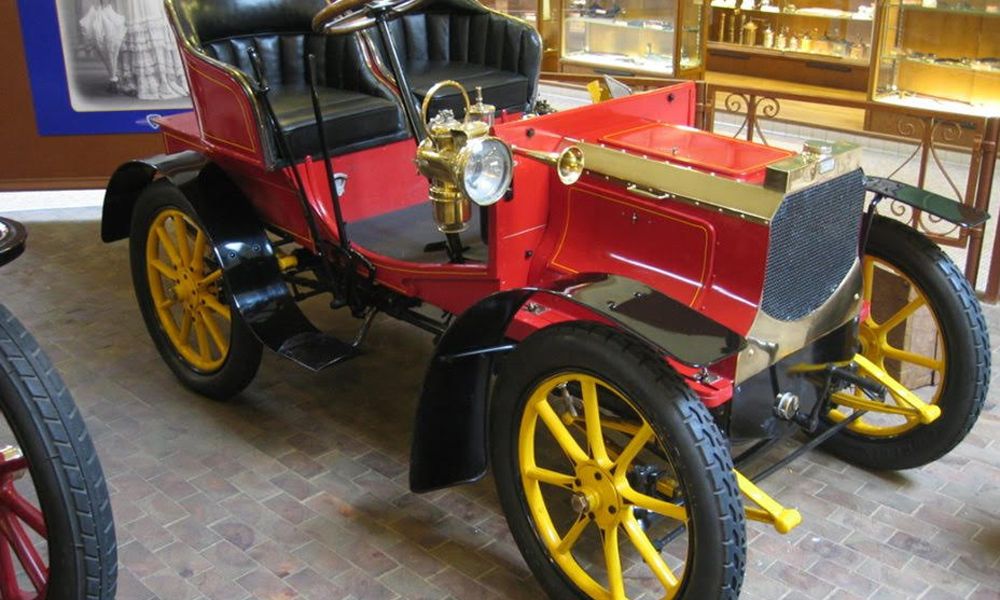
One of the first cars in Central Europe, and among the earliest car factories in the world, was built by the Czech company Nesselsdorfer Wagenbau (later renamed Tatra). In 1897 it produced the Präsident automobil.
Over the decades, more features and controls were added to vehicles, making them progressively more complex, but also more reliable and easier to use. These include reversing cameras, air conditioning, navigation systems and in-car entertainment. Electric cars became commercially available in the 2000s and were expected to cost less than petrol cars before 2025.
The first car in Cyprus
At the start of the 20th century, many countries far from the centre of Europe remained cut off, both because of the First World War and due to the difficulty of long-distance travel. Countries outside Europe in particular needed years before they came into contact with new technological inventions such as the car. Cyprus was among them, isolated at the edge of the Mediterranean and far from the innovations of the time. The only Cypriots who had direct contact with cars and technological developments were those who had emigrated and later returned, or students from affluent families who had studied abroad.
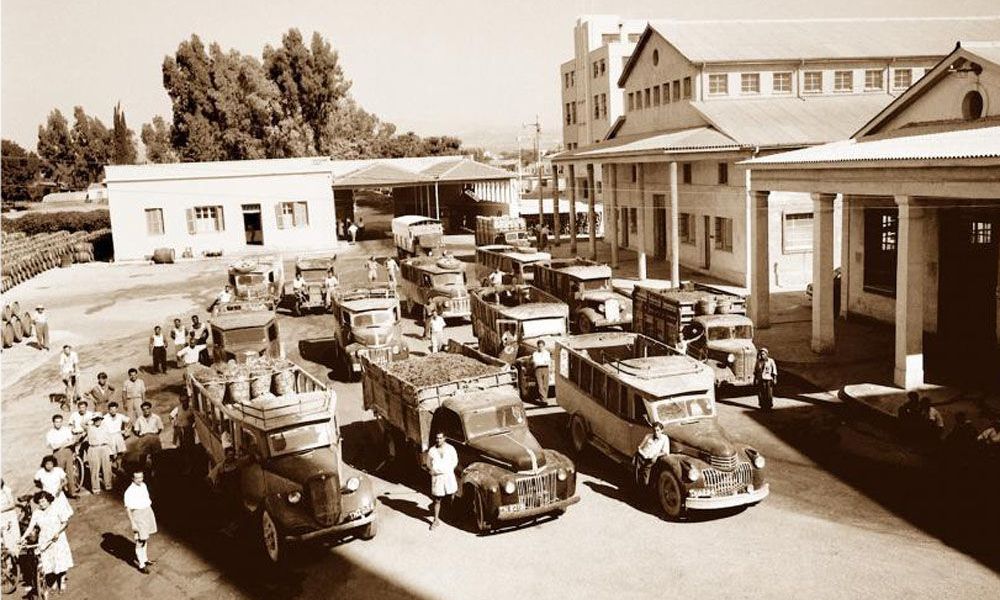
Buses in Limassol, mid-20th century (Pattichion Municipal Museum – Historical Archive – Limassol Studies Centre).
The first car in Cyprus appeared in Limassol and belonged to Ioannis Pieris, who had studied medicine in Paris at the end of the 19th century and stayed there for some years, where he started a family. On 8 December 1907, the Pieris family returned to Cyprus, bringing all their belongings with them, including a red car. It was a two-seater French Peugeot Landaulette known as “bébé”.
Inexperienced in using the new vehicle, he is said to have learned to drive it by following the instructions that came with the strange “cart”. When the news spread that an iron carriage was arriving in Limassol that moved without horses, a large crowd gathered to see whether the rumour was true.
The first journey of Dr Pieris’ Peugeot was the route from Limassol to Larnaca, which took around three and a half hours. Before that first trip there was a blessing ceremony in Limassol, conducted by the then metropolitan bishop. The car made front-page news, with the route of the unusual vehicle described in detail. In an issue of the newspaper Eleftheria, the article describes the journey and the reactions of the crowds who packed the squares to see and comment on it. The writer refers to a “demonic invention that annihilates distance and time”.
The first owners and early registrations
Several prominent Cypriots later followed Pieris’ example, including Panos Lanitis, Michalis Kolakides and Giangos Rossidis. The Pilavakis family was among the first to acquire what was considered a proper car based on later models, with capacity to carry up to five people. In 1924, a Morris car appeared in Paralimni, bought by Georgios Chatziantonis (Pelagias).
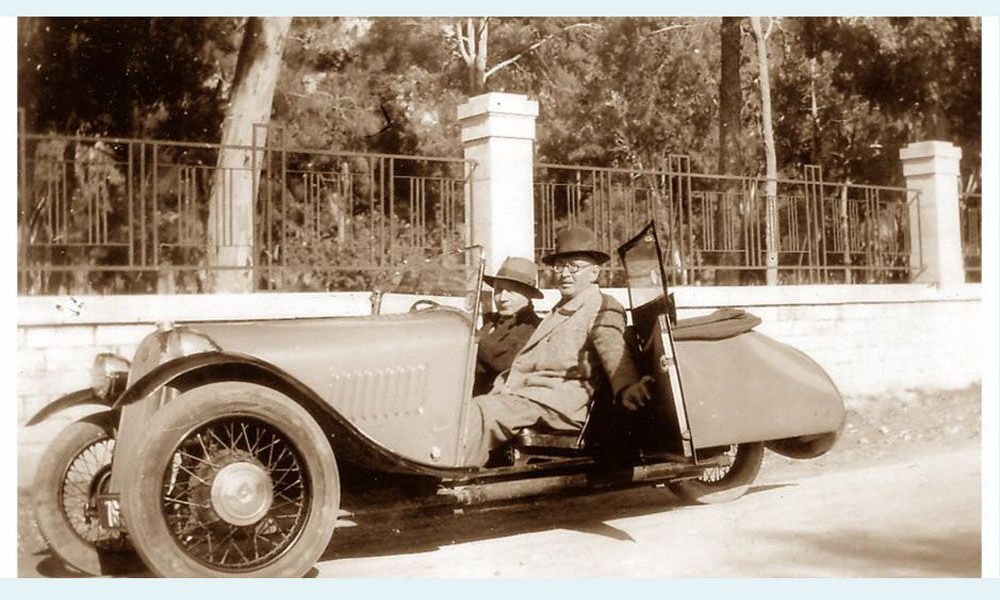
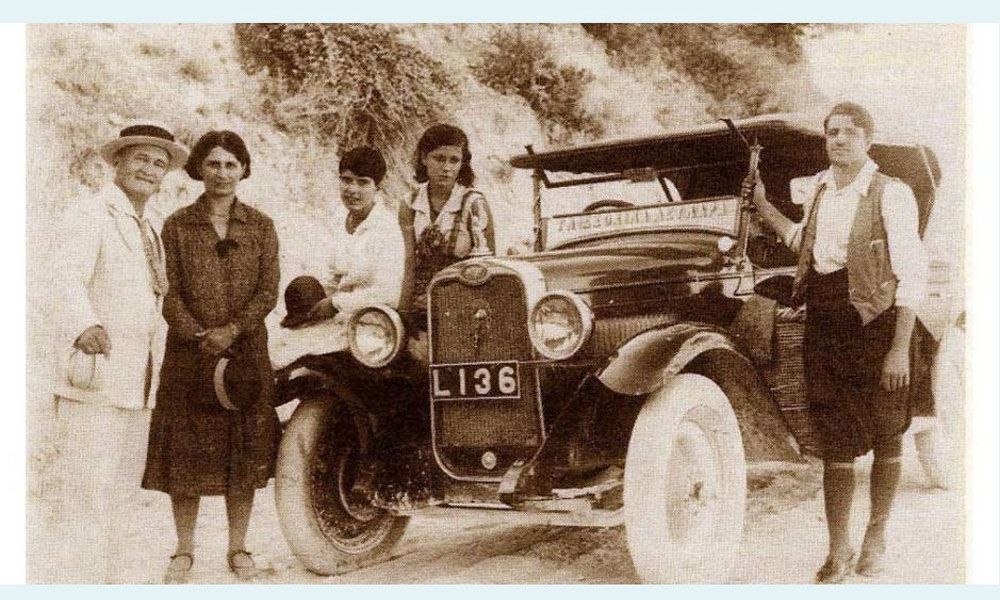
A Ford outside the Limassol Municipal Garden in the late 1920s (Pattichion Municipal Museum – Historical Archive – Limassol Studies Centre).
Until 1930, vehicles in Cyprus carried registration numbers consisting of the initial letter of the town and a sequential number. N 1 (for Nicosia) was the first car there, owned by Mr Kanther and registered in 1921. The first vehicles in the other towns (Kyrenia, Famagusta, Larnaca, Limassol and Paphos) were registered in 1920. From 1930 onwards, all new vehicles used the initial of Nicosia (N) up to the number 9999 (Digital Herodotus video archive).
The government car
Two years after the arrival of the first private car, the colonial government decided to import another vehicle for its own needs. At a time of serious economic difficulties, this move was met with criticism and sarcasm. In 1911, the acting treasurer wrote to the Chief Secretary suggesting that the car should be withdrawn in order to save 150 pounds a year.
In 1925, the first lorry in Kyperounta arrived in Cyprus. It was bought jointly by Charitos Hadjimichail, Kyriakos M. Hadjiharalambous (Koukatzis) and Kyriakos M. Christofinas (Kourkoutas), and driven by Giorgis Fakas. The wheels had wooden rims and solid tyres without air. The lorry greatly improved the transport of supplies to the central warehouse and the movement of grain and other products from the fields to storage, saving a lot of time. During the same period the first bus arrived in Cyprus, helping remote villages connect with urban centres and allowing residents to work in the larger towns.
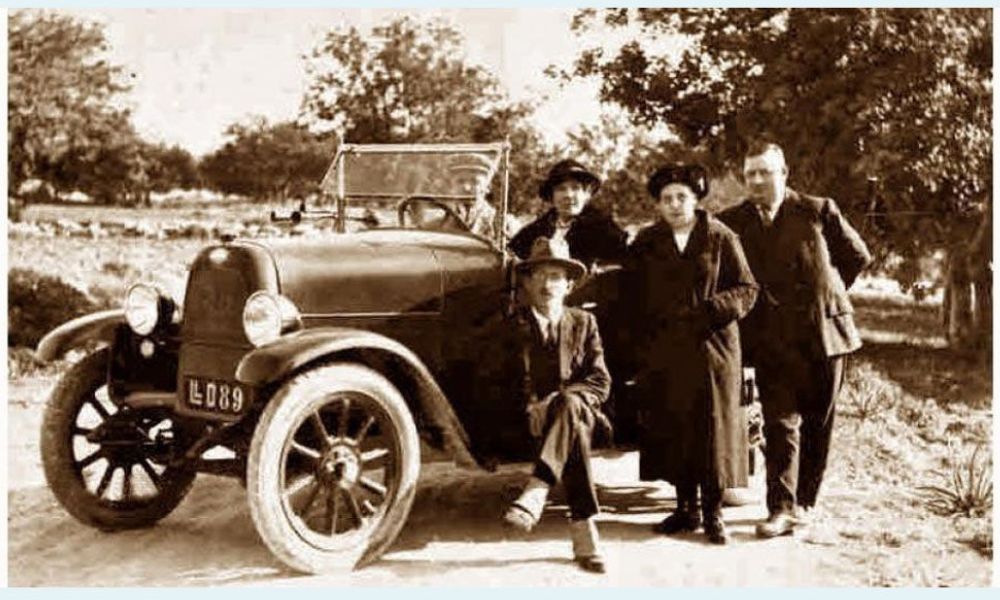
The Pilavakis family was among the first in Cyprus to own a car capable of carrying up to five people. The photograph shows the family with their vehicle inside the Limassol Municipal Garden in the 1920s.
That same year, the abbot of the monastery of Panagia Chrysorrogiatissa, Kyrrillos A, known for his patriotism and management skills, promoted the construction of a road suitable for vehicles to link the monastery with the town of Paphos. The first car reached the monastery, where it was welcomed with bell-ringing, on 26 September 1925.
From 1970 onwards, the car in Cyprus became not only a practical means of transport but also a sport, through the establishment of the Cyprus Rally, which later developed into an international event.
The first woman driver
In 1911, four years after the first private car began to circulate in Cyprus, a woman decided to take the wheel. Eleni Vasileiou Treppou became the first woman driver on the island, a move considered highly radical for the time. She was also among the first three kindergarten teachers in Cyprus, having studied in Greece.
The steam carriage
Fifteen years before the arrival of the first car, in 1892, Nikolaos Ieremias from Smyrna, owner of a horse-drawn carriage in Nicosia, decided to bring a steam-driven carriage to operate along the only road that existed at the time, between Nicosia and Larnaca.
It was a large iron machine with a tall black chimney, built by British manufacturer Rickett. Before leaving from Eleftheria Square, a small ritual took place involving incense and the sign of the cross to ensure a safe journey. At the same time, Ieremias had to endure mockery from locals for the “monster” he had brought, which they nicknamed “sideropamporo” (iron steamer).
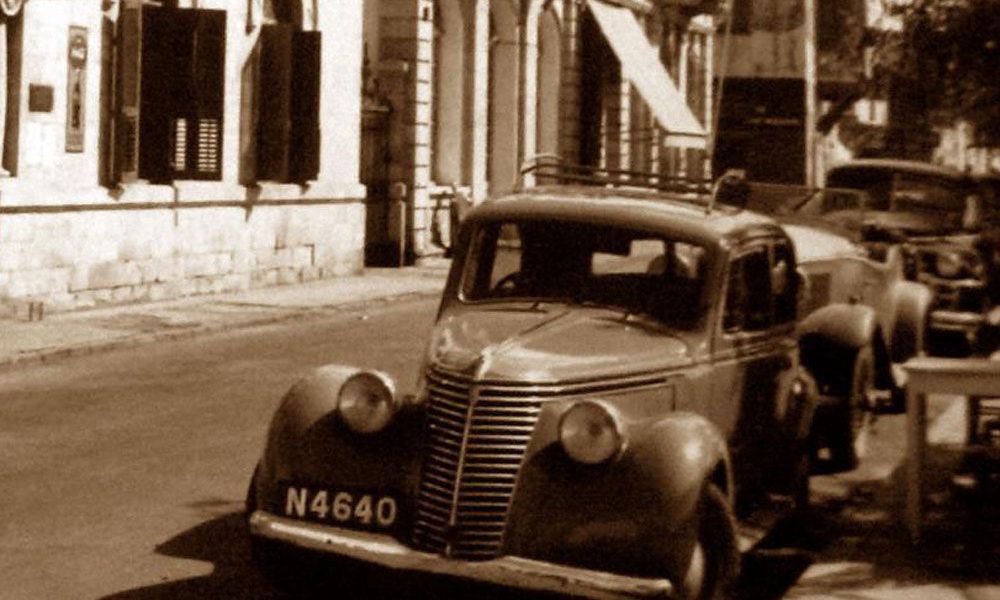
Among the first cars to circulate in Cyprus (Pattichion Municipal Museum – Historical Archive – Limassol Studies Centre).
During the journey, the steam carriage had to stop frequently to refill the water tank needed to produce steam. Another major problem for Ieremias was the mechanical breakdowns, since he was not a specialist and the vehicle did not receive proper maintenance or handling.
After a few weeks, the steam carriage was abandoned at the D’Avila bastion. Following this failure, Ieremias moved to Athens, where he became involved in theatre businesses. The “sideropamporo” eventually became a source of spare parts and scrap metal, as anyone who needed a piece of iron or a pipe would take it from there.
Source: Polignosi