As the war in the Middle East enters its sixth day, concern is intensifying over the impact it may have on the economy.
The scale of the impact will depend on how long the US–Israel military operations in Iran continue. A prolonged duration of the operations could cause major disruption to the production and movement of around 20% of global oil consumption, as well as significant quantities of LNG from Qatar, volumes that cannot be replaced by other regions of the world. In a negative scenario, the disruption could trigger a severe inflationary crisis.
The Chief Executive Officer of the Bank of Cyprus, Panicos Nicolaou, presented an optimistic view yesterday regarding the resilience of the Cypriot economy, noting that it has proven particularly resilient during crises. He pointed out that inflation is currently almost zero, public debt stands at around 50% of GDP, and fiscal surpluses are being recorded, meaning the economy is equipped to face the new crisis.
A positive development so far is that trade has not been disrupted.
“The maritime supply of goods and raw materials has not been affected,” the Director General of the Cyprus Employers and Industrialists Federation (OEB), Michalis Antoniou, told Politis.
The Director of the Cyprus Shipping Agents Association, Lefteris Kouzapas, also told Politis that ship arrivals and servicing are proceeding normally, with increased internal security measures.
The Director of the Port of Limassol, Panayiotis Agathokleous, said that operations at both Limassol and Larnaca ports are functioning smoothly.
“We have received instructions from the Shipping Deputy Ministry for increased checks at entrances and exits and for enhanced security measures, patrols, while the Hestia plan has been activated and we are fully prepared to respond to requests from countries for humanitarian purposes.” Mr Agathokleous acknowledged that the situation remains fragile and that developments could change rapidly.
Fuel price increases
The two difficult fronts that could affect the prospects of the Cypriot economy are fuel prices and tourism. Early indications on both fronts are not encouraging.
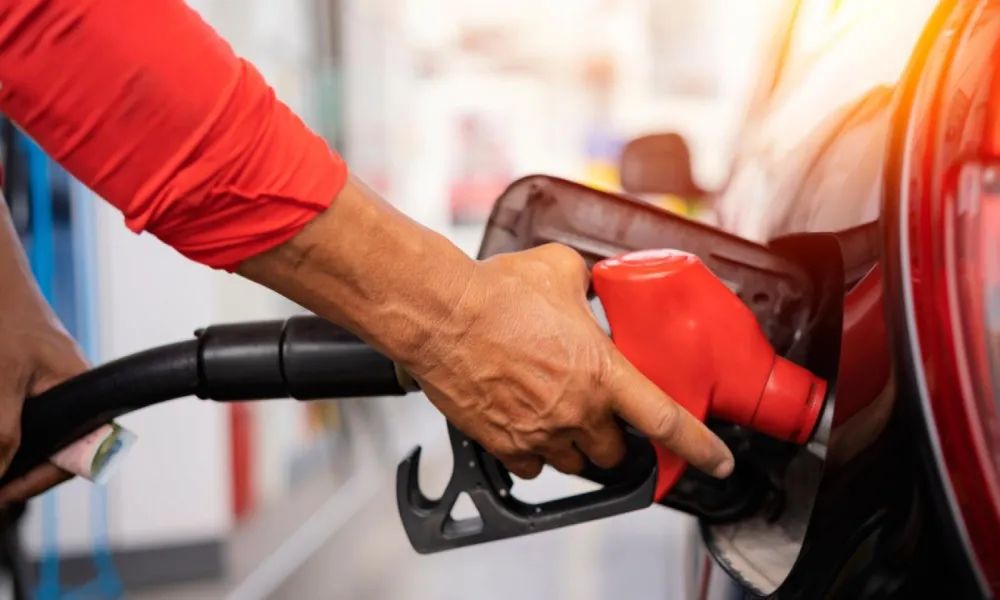
In fuel markets, during the past two days Mediterranean Platts prices for petrol increased by around 10% and diesel by 20%. Platts prices differ from crude oil prices and determine the cost at which fuel companies in Cyprus acquire refined products. Cyprus sources fuel supplies from Greece and Israel.
If no de-escalation occurs, the next shipments received by companies in Cyprus, which arrive every three to four days, will be more expensive. How quickly the increases reach fuel pumps will depend on the rate at which existing reserves are consumed. The most likely scenario is that price increases will appear at the beginning of next week.
Late yesterday evening, the price of oil dropped below $80 per barrel, a positive development if the trend continues.
Booking cancellations in tourism
In the tourism sector, booking cancellations have already been recorded, numbering several dozen as of yesterday. The scale of the impact will depend on how long the war continues.
Catholic Easter this year falls on 5 April and traditionally marks the start of the tourism season. Market sources told Politis that if the conflict lasts longer than four to five weeks, the sector may face significant problems.
Hotels with unsold room availability are considered more vulnerable compared with those that have already secured agreements with tour operators. Market stakeholders present differing assessments but agree that cancellations have begun.
According to information obtained by Politis from the Cypriot hotel industry, there have not yet been mass cancellations ahead of Catholic Easter. While some cancellations have been recorded due to cancelled or modified flights, the picture from the hotel sector does not indicate a widespread wave of cancellations.
Industry representatives explain that tourism traffic for the Catholic Easter period effectively begins in the last week of March, peaking during the final weekend of the month and the first weekend of April, when families from European countries typically travel.
At the same time, the situation remains fluid and could change depending on developments in air transport. A typical example is British Airways, which cancelled flights on Tuesday but resumed normal operations yesterday.
In any case, the Cypriot hotel industry is closely monitoring developments and expresses cautious optimism that tourist traffic during the Catholic Easter period will remain at satisfactory levels.
“The cancellations in hotels across the country have begun due to the suspension of flights by airlines such as Lufthansa and Emirates, which is affecting our tourism,” the President of the Larnaca Chamber of Commerce and Industry, Nakis Antoniou, told Politis. According to Mr Antoniou, the region most affected is Limassol, followed by Larnaca and Paphos.
The President of the Limassol Chamber of Commerce and Industry and Chairman of the city’s tourism development company, Andreas Tsouloftas, also told Politis that they are receiving numerous phone calls from international partners expressing concerns about the situation in the country, as several European companies have suspended flights to Cyprus.
“If the situation continues, the consequences are unpredictable,” he stressed, explaining that although Cyprus may not be directly involved in the war, damage has already occurred, with negative effects on tourism and the broader economy.
Flight cancellations
Uncertainty is also fuelled by flight cancellations. Since last Saturday, cancellations have become a daily occurrence, not only on routes to and from airports in Israel and countries in the Middle East but also on routes to and from European destinations.
According to information obtained by Politis, cancellations of flights from several European countries are causing significant concern among tourism stakeholders in Cyprus. Discussions are already taking place about postponing the reopening of some hotel units that had planned to resume operations in late March or early April.
According to information from the website of Hermes Airports, the operator of Cypriot airports, between 5:30 in the morning and 11:00 in the evening on Wednesday there were 24 cancelled arrivals and 24 cancelled departures at Larnaca Airport.
In recent days, flights have been cancelled from several European countries, including Germany, the United Kingdom and Austria. Major airlines such as British Airways, Lufthansa, EasyJet and Austrian Airlines are continuously adjusting their flight schedules to and from Cyprus in response to developments.
At Paphos Airport, official information indicates that 18 flights were cancelled yesterday. These involved routes to and from airports in the Middle East and the United Kingdom.
Flight cancellations at the two Cypriot airports have exceeded 250 since last Saturday. Strict security measures are currently in place at both Larnaca and Paphos airports.
Broader economic implications
Beyond tourism, economist Tasos Yasemides warns that tourism, shipping, investments, energy, inflation and the purchasing power of households are the main sectors expected to be affected by developments in the Middle East.
A prolonged period of high oil and natural gas prices, he emphasised, will lead to a new cycle of price increases and inflationary pressures, affecting household purchasing power and the profit margins of businesses.
Electricity generation in Cyprus depends heavily on fossil fuels and imports, which makes it highly likely that energy costs for households and businesses will increase if international prices remain high.
The seriousness of the crisis at the European level was also highlighted by Eurogroup President Kyriakos Pierrakakis, speaking at the annual European Investment Bank Forum, where he described the situation in the Middle East as an “unprecedented and deeply worrying” crisis.