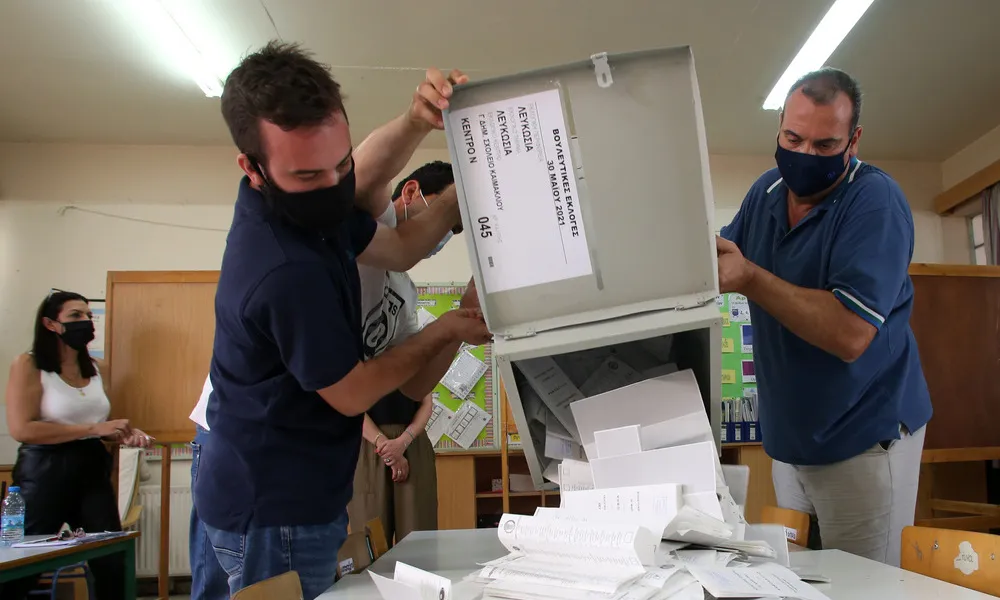
The 2021 parliamentary elections did not merely record the balance of forces at nationwide level, but also clearly highlighted the distinct political identities of the districts. Beyond the overall percentages, the electoral map reveals traditional party bastions, areas with stable political references, as well as zones where the influence of specific parties remains marginal.
From DISY’s dominance in most electoral districts to AKEL’s resilience among specific electorates and the targeted pockets of strength of smaller parties, the geography of the vote offers a clearer picture of how the country’s political landscape was shaped. The geography of the vote is of particular interest in view of the major realignments expected to be triggered by the outcome of today’s ballot.
How the districts voted
The 2021 parliamentary elections confirmed that Cyprus’s political geography continues to display clear variations from district to district.
- DISY emerged as the leading political force in five of the six electoral districts, recording 25.47 per cent in Nicosia, 28.54 per cent in Limassol, 26.11 per cent in Larnaca, 29.88 per cent in Paphos and 31.51 per cent in free Famagusta. The only district where it did not come first was Kyrenia, where AKEL recorded a narrow lead with 24.47 per cent and 4,296 votes, compared with DISY’s 24.30 per cent and 4,266 votes.
- AKEL also recorded a strong presence in Larnaca with 26.33 per cent, and in Famagusta with 24.42 per cent.
- DIKO showed its greatest influence in Paphos with 18.47 per cent and in Kyrenia with 15 per cent.
- ELAM achieved its best results in Famagusta with 7.73 per cent and in Larnaca with 7.66 per cent.
- DEPA recorded its highest percentage in Kyrenia with 7.91 per cent.
- EDEK had its strongest presence in Paphos with 13.29 per cent.
- The Greens recorded their highest percentage in Nicosia with 6.85 per cent.
The strongholds
DISY confirmed its broad geographical dominance, maintaining a strong presence in all districts and particularly in urban and suburban areas with traditionally centre‑right characteristics. Free Famagusta emerged as its absolute stronghold, with the party recording its most impressive performances there. The picture is of a party with deep organisational roots and strong penetration in its traditional political space.
- Nicosia: A’ Primary School, Paliometocho
- Limassol: A’ Primary School, Ypsonas
- Larnaca: D’ Primary School, Aradippou
- Paphos: Emba Primary School
- Famagusta: A’ Primary School, Paralimni
- Kyrenia: Agios Maronas Primary School
AKEL maintained its historical footholds in working‑class neighbourhoods, labour districts and refugee electorates, confirming that its traditional social core remains active. Kaimakli, Deryneia and Aradippou highlighted this stability with strong performances. Its electoral base remains more geographically concentrated but politically resilient.
- Nicosia: G’ Primary School, Kaimakli
- Limassol: XVI Primary School, Zakaki Polykarpou Vlachou
- Larnaca: Aradippou Gymnasium
- Paphos: A’ Primary School, Geroskipou
- Famagusta: Deryneia Gymnasium
- Kyrenia: G’ Primary School, Lakatamia
DIKO displayed a more dispersed electoral presence, without the strong geographical concentration of the two major parties, but with notable resilience in specific local communities. Its presence in Paphos, Sotira and Nicosia confirms the maintenance of historical ties with the centre space. Its influence remains tangible, though more fragmented.
- Nicosia: G’ Primary School, Kaimakli
- Limassol: Apostles Peter and Paul Lyceum
- Larnaca: Drosia Primary School
- Paphos: G’ Primary School, Paphos
- Famagusta: B’ Primary School, Sotira
- Kyrenia: G’ Primary School, Lakatamia
ELAM recorded a clearly more concentrated geographical influence, with free Famagusta standing out as its strongest electoral base. Paralimni and Xylophagou confirmed its penetration into specific voter pools beyond the traditional major parties. The picture is of a party with targeted but tangible electoral momentum.
- Nicosia: G’ Primary School, Kaimakli
- Limassol: A’ Primary School, Agios Athanasios
- Larnaca: A’ Primary School, Xylophagou
- Paphos: A’ Primary School, Geroskipou
- Famagusta: G’ Primary School, Paralimni
- Kyrenia: Agios Vasileios Gymnasium
DEPA displayed a milder but distinct presence, without spectacular vote concentrations but with recognisable pockets of influence across several districts. The picture suggests a party drawing strength from local networks and voters of the centre space. Its clearest performance was recorded in Famagusta.
- Nicosia: G’ Primary School, Kaimakli
- Limassol: Apostles Peter and Paul Lyceum
- Larnaca: Aradippou Gymnasium
- Paphos: New Chorio Community Buildings
- Famagusta: B’ Primary School, Avgorou
- Kyrenia: Agios Maronas Primary School
EDEK maintained historical pockets of influence, most notably in Athienou, where it recorded a particularly strong result. Although its overall influence was more limited, the party continued to show resilience in specific local communities. Its presence remains more qualitative than geographically extensive.
- Nicosia: A’ Primary School, Paliometocho
- Limassol: XIII Primary School, Agios Spyridonas
- Larnaca: Athienou Primary School
- Paphos: A’ Primary School, Geroskipou
- Famagusta: B’ Primary School, Sotira
- Kyrenia: Agios Vasileios Gymnasium
The Greens maintained a smaller but recognisable presence, with more stable performances in specific urban and suburban centres. Their influence remained limited in absolute numbers but with clear local pockets indicating a stable core electorate. This is a presence without mass geographical concentration but with resilience.
- Nicosia: G’ Primary School, Kaimakli
- Limassol: Apostles Peter and Paul Lyceum
- Larnaca: Aradippou Gymnasium
- Paphos: 9th Primary School, Koupatio
- Famagusta: Archbishop Makarios III Gymnasium, Platy
- Kyrenia: D’ Primary School, Aglantzia
Where parties were weak
Mapping weak electoral points reveals an equally interesting picture to that of strongholds. Major parties show their lowest performances mainly in small rural or remote polling centres, as well as in special polling stations with limited voter numbers, highlighting the limits of their geographical penetration.
For DISY and AKEL, weakness is mainly identified in small rural communities, while centrist parties and smaller formations often record single‑digit or marginal results. The picture confirms that, beyond their strongholds, all parties also maintain ‘white zones’ of limited influence, where organisational presence or social appeal remains extremely weak.
DISY, despite its nationwide dominance, shows limited appeal in small remote communities and special polling centres. By contrast, in Famagusta even its weakest point remains notably strong.
- Nicosia: Special Mobile Polling Centre, Nicosia (3 votes)
- Limassol: Prasteio Kellakiou Cultural Centre (5 votes)
- Larnaca: Melini Primary School (8 votes)
- Paphos: Dryneia Community Clinic (2 votes)
- Famagusta: Acheritou Primary School (349 votes)
- Kyrenia: Agios Maronas Primary School (55 votes)
AKEL records its lowest performances mainly in small rural communities, far from its traditional bases. Its resilience in Famagusta confirms the long‑standing strength of its base in the district.
- Nicosia: Alona Community Council Offices (2 votes)
- Limassol: New Chandria Community Council Office (2 votes)
- Larnaca: Skarinou Community Buildings (3 votes)
- Paphos: Agios Nikolaos Community Council Office (4 votes)
- Famagusta: Achna Primary School (126 votes)
- Kyrenia: Agios Maronas Primary School (44 votes)
DIKO shows uneven geographical influence, with areas of very low penetration alongside stable pockets of presence. Famagusta and Kyrenia remain districts with a more resilient audience for the party.
- Nicosia: Pachyammos Community Council Offices (3 votes)
- Limassol: Kaminaria Community Council Office (2 votes)
- Larnaca: Melini Primary School (2 votes)
- Paphos: Agia Marina Kellakiou Community Building (2 votes)
- Famagusta: B’ Primary School, Liopetri (61 votes)
- Kyrenia: Agios Maronas Primary School (26 votes)
ELAM displays wide fluctuations, with an almost non‑existent presence in some small communities but a noticeably stronger base in Famagusta. The picture points to a party with targeted rather than uniform geographical penetration.
- Nicosia: Special Mobile Polling Centre, Nicosia (2 votes)
- Limassol: Kato Mylos Experiential Workshop (1 vote)
- Larnaca: Melini Primary School (1 vote)
- Paphos: Nikokleia Community Council Offices (1 vote)
- Famagusta: Acheritou Primary School (72 votes)
- Kyrenia: Agios Maronas Primary School (11 votes)
DEPA’s low performances across many areas confirm that in 2021 it did not yet possess a compact nationwide electoral base. Its presence was more selective and dependent on local voter concentrations.
- Nicosia: Lagoudera Community Council Offices (1 vote)
- Limassol: Agios Dimitrios Community Council Office (1 vote)
- Larnaca: Odou Youth Centre (1 vote)
- Paphos: Amargeti Multi‑Purpose Hall (1 vote)
- Famagusta: Achna Primary School (22 votes)
- Kyrenia: Agios Maronas Primary School (17 votes)
EDEK maintains pockets of traditional influence, but in many areas its presence remains marginal. This reflects the transition of a historic party with strong local, but not horizontal, resilience.
- Nicosia: Alona Community Council Offices (1 vote)
- Limassol: Doros Community Council Events Hall (1 vote)
- Larnaca: Melini Primary School (1 vote)
- Paphos: Archimandrita Primary School (1 vote)
- Famagusta: Achna Primary School (46 votes)
- Kyrenia: Agios Maronas Primary School (8 votes)
The Greens record the most limited geographical spread, with several areas registering marginal vote levels. Their strength appears to stem from specific concentrations of supporters rather than broad electoral presence.
- Nicosia: Gerakia Community Council Offices (1 vote)
- Limassol: Kato Mylos Experiential Workshop (1 vote)
- Larnaca: Vavatsinia Community Cultural Centre (1 vote)
- Paphos: Kannaviou Community Council Offices (1 vote)
- Famagusta: Acheritou Primary School (4 votes)
- Kyrenia: Agios Maronas Primary School (4 votes)