
Veterinary experts warn that dogs are particularly vulnerable to extreme heat, as they regulate their body temperature mainly through panting rather than sweating. In Cyprus, where temperatures regularly exceed 30 degrees during the summer months, the risk is significantly higher, especially during prolonged outdoor exposure or exercise.
Exercise in hot weather is considered one of the main triggers of heatstroke, with many cases linked to walks during the hottest hours of the day.
Signs of heatstroke
According to veterinary guidance, pet owners should be alert to the following warning signs that a dog may be suffering from heatstroke:
- excessive panting and rapid breathing
- drooling or foaming
- confusion or disorientation
- shaking or muscle spasms
- weakness, lethargy or collapse
- vomiting or diarrhoea
- seizures in severe cases
Other symptoms may include red gums, a rapid heartbeat and general fatigue. Experts stress that heatstroke can worsen quickly if not treated immediately.
If a dog shows any of these signs, owners should move the animal to a shaded or cool area and begin cooling it down gradually with water, avoiding the head if breathing is affected. Veterinary advice should be sought as soon as possible.
When is it too hot to walk dogs
Authorities note that there is no universal “safe” temperature for dog walking, as tolerance varies depending on breed, age and overall health. However, in Cyprus conditions, midday walks during summer are considered high risk.
A simple guideline is the pavement test. If the ground is too hot to hold your hand on for five seconds, it is too hot for a dog’s paws.
Pet owners are advised to walk dogs early in the morning or late in the evening, choose shaded routes and avoid running or intense activity during hot weather. On particularly hot days, skipping walks altogether may be the safer option.
Certain dogs are more vulnerable to heatstroke, including puppies, older dogs, animals with thick coats and flat faced breeds.
How to keep dogs cool
Experts stress that prevention is key during Cyprus summers. Recommended measures include:
- ensuring constant access to shade, both indoors and outdoors
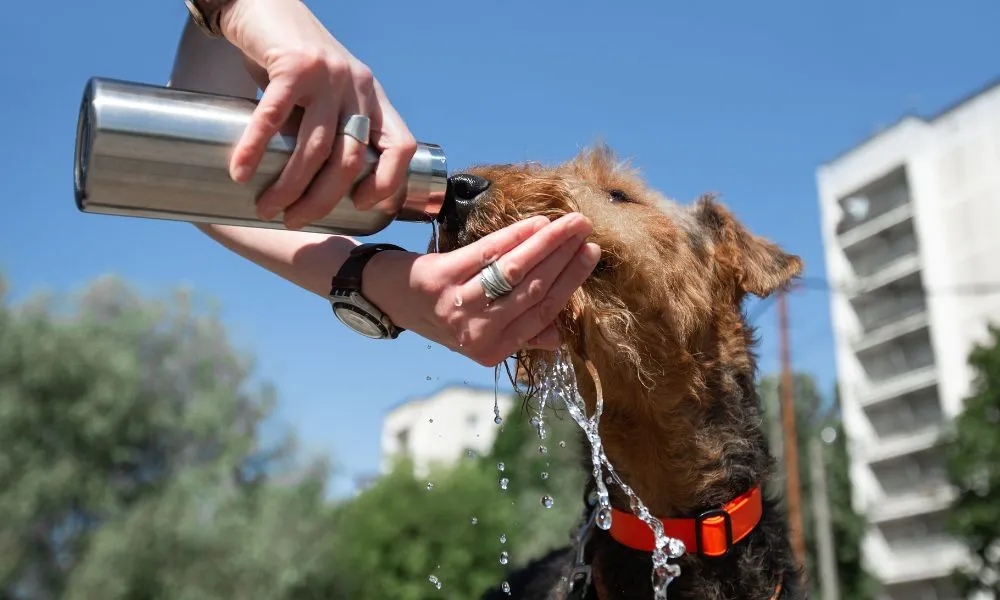
- providing plenty of fresh water, including multiple bowls
- using cool surfaces or damp towels for dogs to lie on, placed underneath rather than on top
- keeping homes well ventilated or using fans where possible
Dogs should never be left in parked cars, even for short periods, as internal temperatures can rise to dangerous levels within minutes.
Additional care is also needed due to strong sunlight. Dogs, especially those with light or thin fur, can suffer sunburn on exposed areas such as the ears, nose and belly. This can cause pain and, in severe cases, lead to long term skin damage. Pet safe sunscreen may be required in some cases.
Authorities underline that awareness and early action are critical, noting that most heat related incidents can be avoided with simple precautions.
With temperatures expected to remain high in the coming months, pet owners are urged to monitor their animals closely and adjust routines accordingly to ensure their safety.
Source: BBC