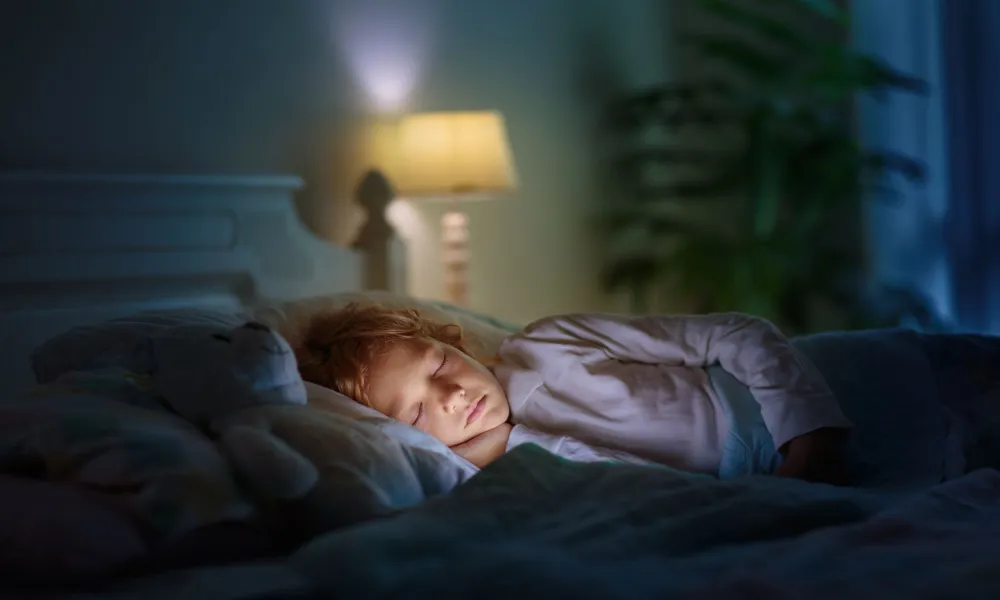

There is a moment, quiet and almost imperceptible, when a child begins to carry more than their small body can hold. A tightening in the jaw. A silence at dinner. A teacher’s careful note home. A parent’s intuition that something beneath the surface has shifted and is no longer returning to normal.
In Cyprus, that moment is where many families begin. What follows is not always straightforward.
The system children enter first
Most children are first seen where they already spend their days, at school. A teacher notices withdrawal. A counsellor raises concern. An educational psychologist becomes the first professional to name what may be happening. For many children, this moment matters deeply. It offers recognition and the reassurance that what they are experiencing has been witnessed.
A school counsellor working across both middle and high school explained to Politis:
“Each educational psychologist is responsible for several schools at once, however many are assigned to them. That is why waiting times grow so quickly. It’s not about a lack of will, but a lack of people.”
From here, families are usually guided towards further support, often through referrals to the General Healthcare System (GeSY), which provides access to clinical psychology and psychiatric services.
Public services: structured but under pressure
Within the public system, primarily through the Directorate of Mental Health Services, care is organised around referrals and specialised units for children and adolescents.
Services exist and can offer meaningful support, particularly in more complex cases. But like many health systems, they are experiencing increasing demand.
A clinical psychologist working within GeSY said that, while the system can make a real difference, workloads are heavy and waiting times can vary depending on the case.
“You feel fulfilled when children improve,” she said, “but the workload is significant.”
For some families, access may involve a waiting period. Professionals note that this is often linked to staffing capacity rather than a lack of provision.
At policy level, this pressure has been recognised. In March 2025, the National Mental Health Strategy 2025–2028, developed with the World Health Organization, was approved. It outlines priorities including prevention, community-based care and early detection, while also noting gaps such as the absence of a standalone suicide-prevention strategy and a fully developed child-specific mental health framework.
The strategy exists. But children do not live inside strategy documents. They live in time.
When families need immediate support
When concerns become urgent or unclear, families often turn to helplines for immediate guidance.
Helpline 1466, run by Hope for Children CRC Policy Center, offers free, 24-hour support on issues including bullying, abuse, anxiety and family difficulties. Calls are answered by trained professionals, including psychologists, social workers and legal advisers.
Helpline 1440, operated by the Association for the Prevention and Handling of Violence in the Family, provides confidential, round-the-clock support in cases of domestic and gender-based violence.
The Police Citizen Communication Line 1460 offers immediate access to police support, including guidance and the handling of urgent concerns.
CyberSafety Helpline 1480 focuses on online risks, including cyberbullying, offering targeted advice to children, parents and educators.
These services offer something essential: immediacy. A child or parent can speak to a trained person within minutes, at any hour of the day.
Helplines meet a different kind of need than clinical services. They create a moment of contact – a place where distress is heard, named and responded to in real time. For many families, they act as a bridge while longer-term care is arranged.
Urgent care
When distress becomes acute, families can seek immediate assessment through public emergency departments, regardless of whether a child is registered with GeSY.
Archbishop Makarios III Hospital (Makareio), Cyprus’s main tertiary children’s hospital, provides child psychiatric services within the public system. For some families, particularly outside normal clinic hours, it becomes the most direct route to urgent specialist assessment.
Beyond the public system
Outside hospital pathways, children can also access support through specialised centres and community programmes.
Initiatives such as the Safe Place Project and Resilient Lives provide structured psychological support, including sessions through GeSY-contracted clinical psychologists as well as privately delivered therapy. For some families, these settings offer continuity after the initial stages of seeking help.
Community-based programmes also play an important role. Organisations such as Solidarity Network in Action and the Strovolos Multipurpose Municipal Center Foundation offer psychological services to children and families, often through supervised trainee therapists. These settings can provide early support while more specialised care is being arranged.
Alongside these options, many families turn to private clinical or counselling psychologists. These services may offer shorter waiting times and more continuity, though they are not equally accessible to all.
Where the system is tested
Across schools, public services, helplines and community programmes, support in Cyprus does exist. Professionals across the system continue to provide care, often under considerable pressure.
At the same time, families sometimes describe uncertainty around how these different parts connect, and how quickly support can be accessed. In practice, the experience of care can depend on timing, referral pathways and available capacity.
Two children with similar needs may move through the system at different speeds.
The measure of care
Cyprus has built a network of services; schools, clinicians, helplines, hospitals and community support. Together, they form the foundation of care for children and adolescents. But for families, the system is not experienced as policy or structure. It is experienced in days, school weeks and sleepless nights.
And the moment a child begins to carry too much should not be the moment their family has to navigate that system on its own.