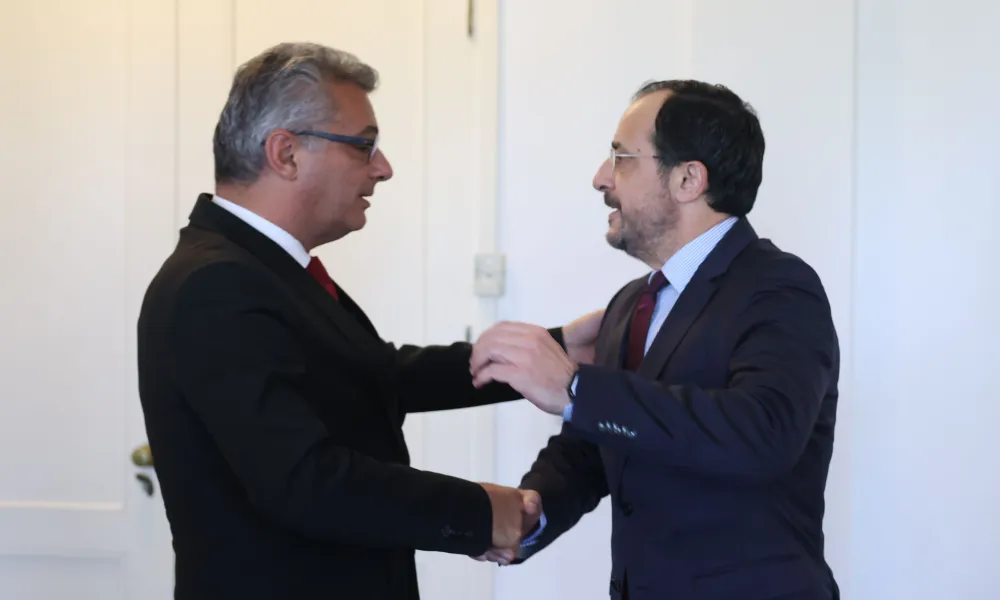

According to data from the Cyprus Anti-Addiction Authority (Annual Review 2025), the proportion of people aged 15 to 64 who have tried cannabis at least once in their lifetime has tripled between 2006 and 2023, rising from 6.6% to 18%. Elena Zarouna, Advisory Psychologist and Director of the Information and Treatment Centre for Drug-Dependent Persons (KENTHEA), made the disclosure in an interview with CNA to mark the World Day Against Drug Abuse.
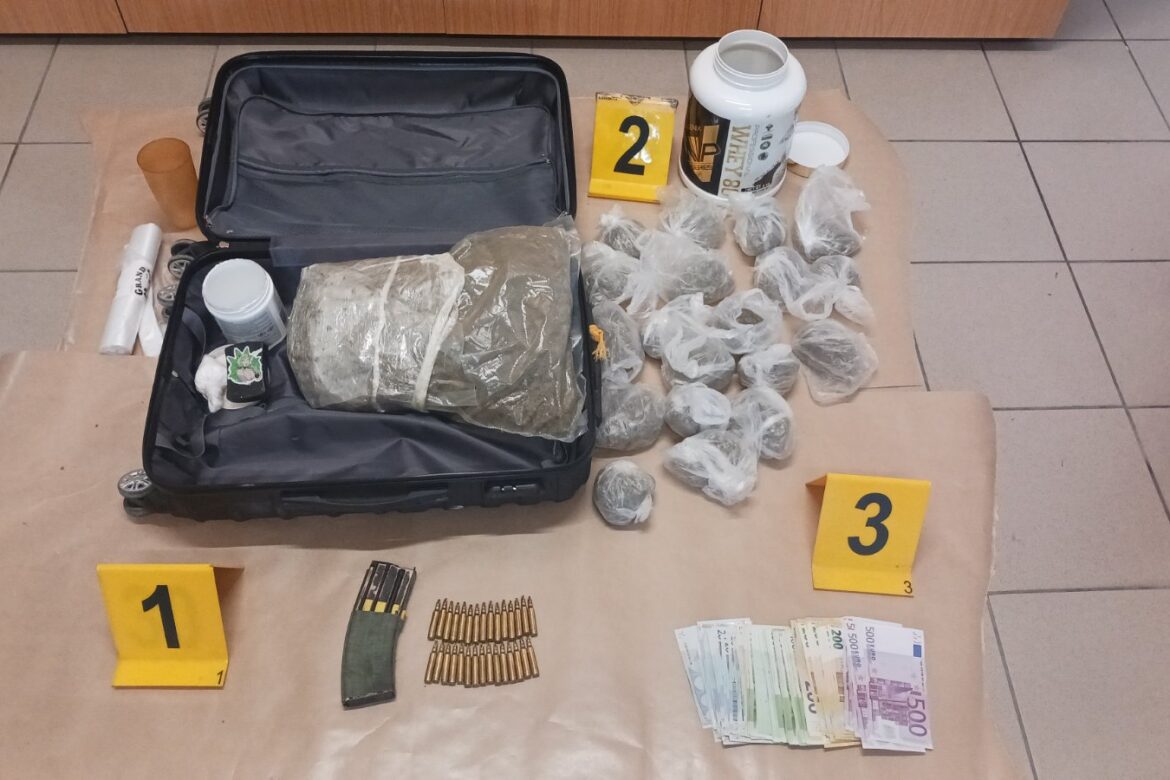
Increases were also recorded over the same period among people who had tried ecstasy, cocaine, and LSD. In the case of amphetamines, which had seen a decline for several years, use levels appear to have returned to 2006 figures between 2019 and 2023. A decrease was noted in lifetime heroin use.
Wastewater data flags sharp rises in Limassol and Ayia Napa
The most recent and representative real-time data on substance use, Zarouna said, comes from wastewater analysis conducted at regular intervals by the Nireas Institute of the University of Cyprus, led by Dr Fatta-Kassinou.
According to the latest findings, amphetamine use in Limassol and Ayia Napa is 260% and 258% higher respectively than in the previous measurement. Methamphetamine use in Ayia Napa rose by 287%, and in Larnaca by 115%. Larnaca also recorded a 93% increase in cocaine levels, a 157% rise in MDMA, and the first appearance of ketamine.
Younger users and psychotic episodes
Zarouna said that rates of users experiencing psychotic episodes have risen significantly in recent years, which she attributed to the high concentration of psychoactive compounds in small quantities of substances. She noted that, for frontline workers, it has become increasingly apparent that younger and younger individuals are beginning to use various substances.
Children aged 14 to 15 are now regularly presenting at KENTHEA programmes with serious use profiles, she said, in some cases involving illegal activity or exploitation to secure their next dose.
Opioid seizures signal further risk
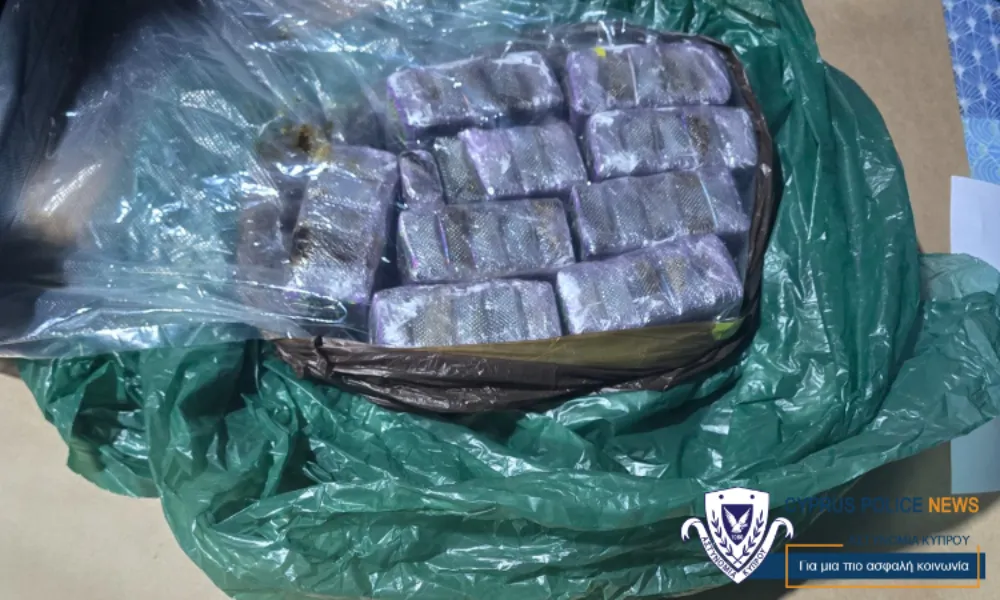
Recent large-scale seizures of opioids are likely to foreshadow increases in opioid users in the period ahead, Zarouna said. She noted that the drugs market operates according to general political economy principles, with supply and demand dynamics applying equally.
Cyprus operates an early warning and monitoring system for drugs (EWS), functioning under the supervision of the Cyprus Anti-Addiction Authority and as part of the equivalent European mechanism of the EU Drugs Agency (EUDA). Participating agencies include relevant state services, the General Chemistry Laboratory, customs, hospitals, and treatment programmes.
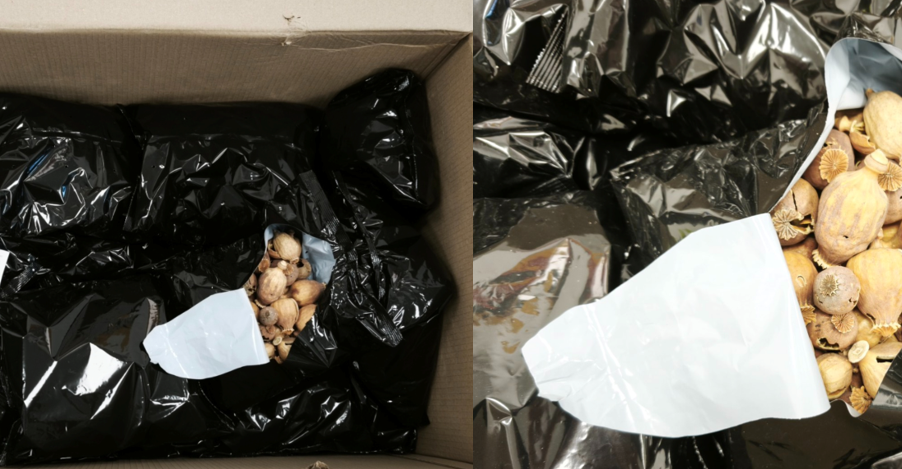
Zarouna noted that new psychoactive substances are being identified across Europe at a rate of approximately one per week, with 50 new substances detected in 2025. The consequences of their use and potential overdose often remain unknown, she said, posing incalculable health risks.
Behavioural addiction on the rise
Alongside substance dependence, Zarouna flagged the growing scale of behavioural addiction, particularly in relation to gambling and online gaming. She warned that the incorporation of gambling mechanisms into online games used by very young children, including loot boxes and roulette-style features, is expected to trigger a cascade of problems.
Silent acceptance of these features by families, she said, is creating the next generation of adolescents likely to develop addiction to electronic and gambling-based games. She also noted a rise in e-cigarette use, particularly among teenage girls, driven by colourful, fruit-scented designs.
Social and psychological risk factors
Zarouna explained that the development of addiction disorders follows the biopsychosocial model, combining biological, psychological, and social factors. Research consistently identifies risk factors including early school dropout, a history of abuse, a family member with addiction, inadequate parental supervision, positive attitudes towards use, and high availability in the environment.
Prevention: the priority
Zarouna stressed the need for prevention at all levels, including universal programmes for the general population and parents, selective programmes for children in vulnerable groups, and environmental prevention measures such as updated legislation on unregulated technology use and enforcement of existing laws on sales of tobacco and alcohol to minors and smoking bans.
KENTHEA ran an information campaign for parents during the 2025-2026 school year in partnership with the Cyprus Pedagogical Institute, with several seminars published on its YouTube channel. The organisation also plans to offer addiction prevention training for football academy coaches through the Beyond the Game programme in autumn 2026. It cooperates with the National Guard and, with funding from the Cyprus Anti-Addiction Authority, provides psychosocial support to reservists across Cyprus.
Treatment options
The Cyprus Anti-Addiction Authority works with both government and non-governmental bodies. Its website lists available programmes by city. Zarouna noted that KENTHEA recently launched ACHILLION, a new island-wide intensive detoxification programme for illegal substances and alcohol, based in Paralimni. The programme is free for participants and their families, requires daily attendance from 09:30 to 15:30, provides meals and transport, and is licensed by the Cyprus Anti-Addiction Authority with financial backing from Allwyn.
Other KENTHEA therapeutic programmes include FAROS in Limassol and KINITRA in Paralimni for gambling addiction; the Tolmis Paphos programme for minors and adults in Paphos; as well as the ODYSSEAS, ITHAKI, and ACHILLEAS stations. The MESOGIOS programme offers self-help groups in Larnaca. A dedicated helpline, 1422, is also available for those dealing with problem gambling.