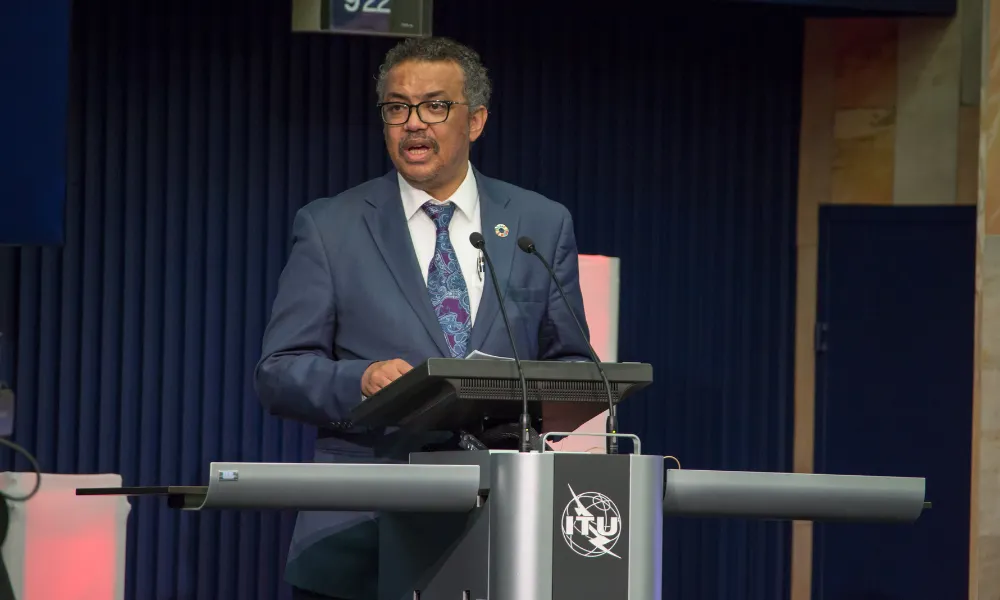

The World Health Organization has warned European leaders that action on extreme heat can no longer be postponed, as high temperatures continue to place growing pressure on public health across the continent.
WHO Director-General Tedros Adhanom Ghebreyesus said governments must invest in health systems able to withstand the effects of climate change, while also accelerating efforts to reduce the causes of the climate crisis. His warning comes as several European countries report deaths linked to the latest heatwave.
The WHO is urging authorities to treat extreme heat as a serious health threat rather than a seasonal inconvenience. It has called for cooler urban planning, better access to water and shaded areas, checks on vulnerable people and stronger preparation by hospitals and emergency services before temperatures reach their peak.
Older people, infants, people with existing health conditions, outdoor workers and those without adequate housing or cooling are among the groups most exposed during prolonged periods of high temperatures. Heat can place severe strain on the body, increasing the risk of dehydration, heat exhaustion, heatstroke and complications for people with heart or respiratory conditions.
The WHO says Europe is warming faster than any other region, with temperatures rising at roughly twice the global average. According to the organisation, heat-related deaths in the region have increased by around 30% over the past two decades, while more than 200,000 lives have been lost to heat in the past four years alone.
Tedros said leaders must move without further delay, both by making health services more resilient and by tackling the wider climate factors driving more intense and frequent heatwaves.
Europe’s heatwave is closing schools and putting people’s health at risk.
— Tedros Adhanom Ghebreyesus (@DrTedros) June 24, 2026
The data are clear: temperatures across Europe are rising at roughly twice the global average rate, increasing the likelihood and severity of extreme heat in the future.
We cannot afford further delay.…
The organisation has increasingly described extreme heat as a health emergency, warning that the impact is already visible in hospitals, care homes, workplaces and cities across Europe.
Source: Euronews