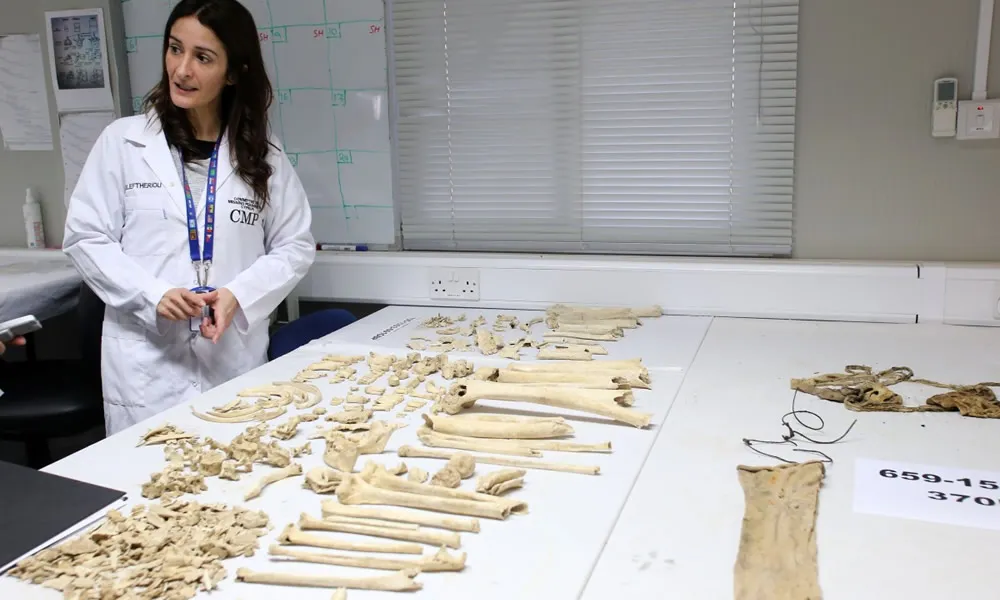

Cyprus has begun a new procedure to identify the remains of Greek soldiers killed or listed as missing in 1974, after earlier chemical treatment of the bones had prevented reliable DNA results for decades, the Presidential Commissioner’s Office announced.
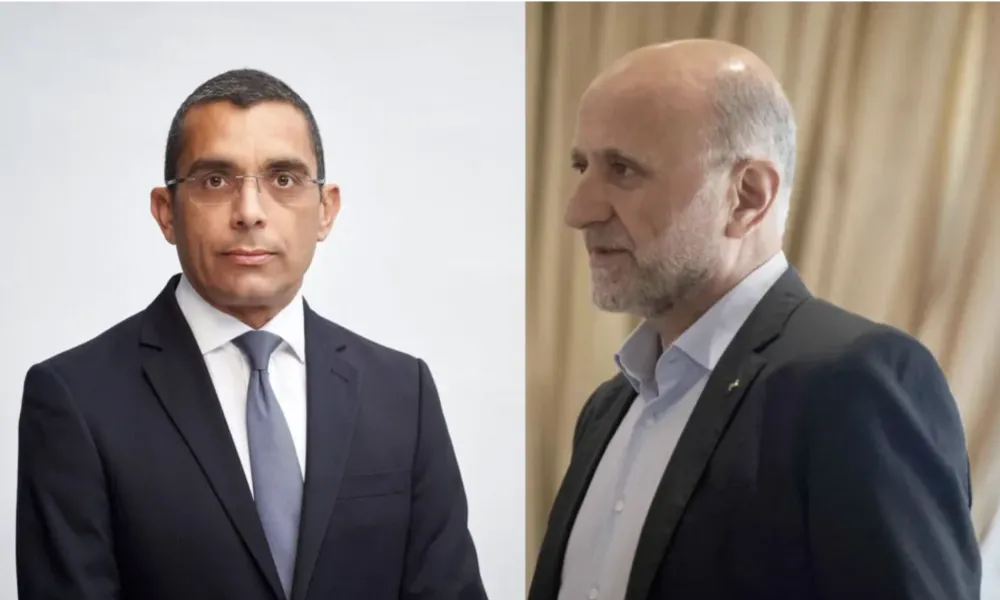
Presidential Commissioner Marios Hartsiotis said the development marks another substantive step in the state’s efforts to establish the fate of missing persons and to honour those who died or disappeared during the events of 1974.
According to the announcement, the process will use Massively Parallel Sequencing, an advanced genetic testing method that creates new scientific possibilities for examining remains that could not be identified through conventional DNA techniques.
The initiative follows a Cabinet decision dated April 21, 2026, approving €1 million in funding for specialised genetic tests using the new methodology, following a proposal by the Presidential Commissioner.
The work is being carried out through the Cyprus Institute of Neurology and Genetics, based on a scientific methodology and protocol agreed between the institute’s geneticists and the Republic of Cyprus’ anthropologists. Procedures have already begun at the institute, with the first samples being processed and further sampling planned under the agreed strategy.
In the first stage, sampling is focusing on skeletal remains considered the most suitable from both an anthropological and genetic perspective. The process will continue through close cooperation and regular exchange of information between the scientific teams involved, with respect for the humanitarian nature of the issue and for the families of the fallen and missing.
The office said the start of the procedure is particularly significant because the remains in question had remained outside the scope of reliable identification for decades due to their previous exposure to chemical substances.
It added that the use of the latest scientific method creates, with the necessary seriousness and without exaggeration, a new prospect for giving answers to families who have been waiting for decades to learn the fate of their relatives.
At the same time, the fifth phase of identifications of Cypriots is also being advanced under the Republic of Cyprus’ programme.
The government, with the support of President Nikos Christodoulides, reaffirmed that the issue of missing persons is primarily humanitarian and that the state has a duty to use every available scientific, institutional and financial means until answers are given to every family.
Source: CNA