
Afghan women are alone in the war being waged against them by the Taliban, abandoned by the rest of the world, according to Zahra Joya, an Afghan journalist who managed to flee Kabul when the Taliban returned to power, following the sudden withdrawal of US forces five years ago.
15 August marks a painful anniversary
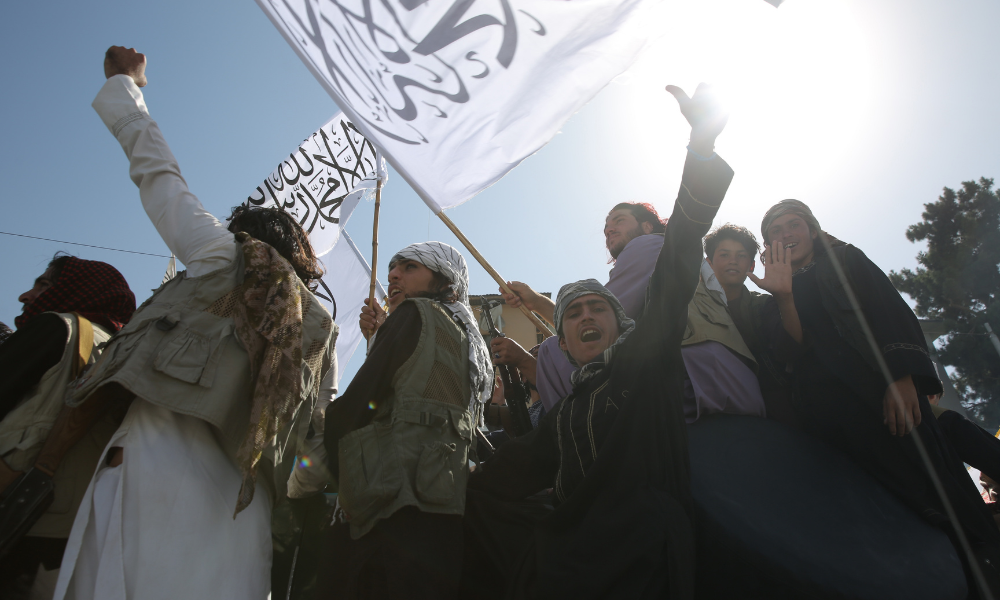
15 August is a "very painful day" for the 34-year-old, who now lives in London. "It is the day I lost my country," she says, recalling "the shock, the terror, the chaos" that accompanied the Taliban's takeover of Kabul on 15 August 2021.
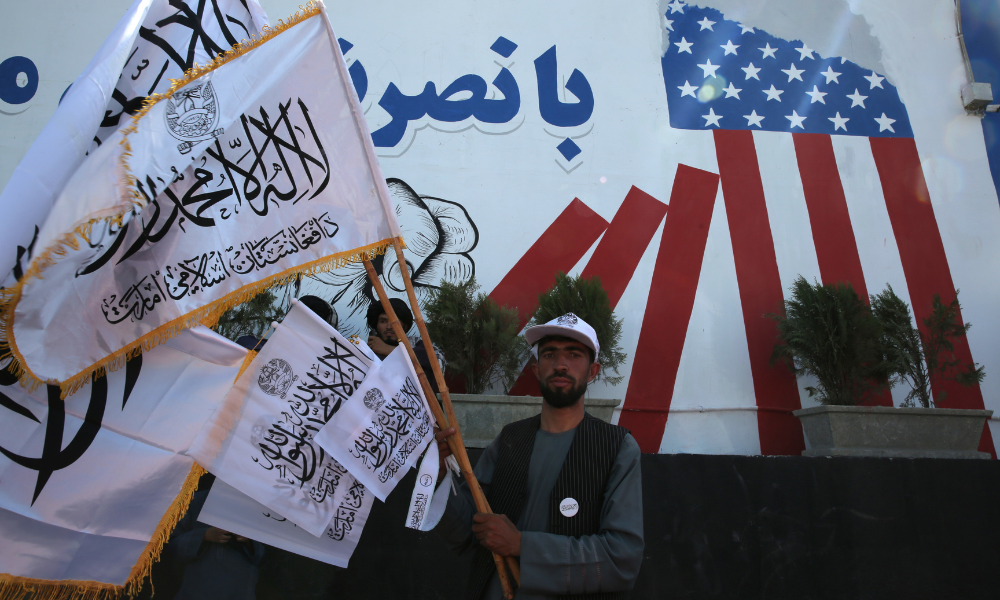
Just days earlier, she had been having lunch with a friend at a restaurant and working as a journalist. Within moments, she lost her freedom and found herself effectively imprisoned in her own homeland.
Someone who had never considered leaving her country, she fled to the United Kingdom shortly afterwards.
"In the eyes of the Taliban, everything that defined me was wrong," she explains. "The very fact that I am a woman, my profession as a journalist, and also my ethnic background as a Hazara woman."
Life under Taliban rule
The Taliban government enforces one of the most extreme interpretations of Islamic law, excluding women from a wide range of areas of life, including secondary education. Afghanistan is the only country in the world where girls' education is banned beyond primary school.
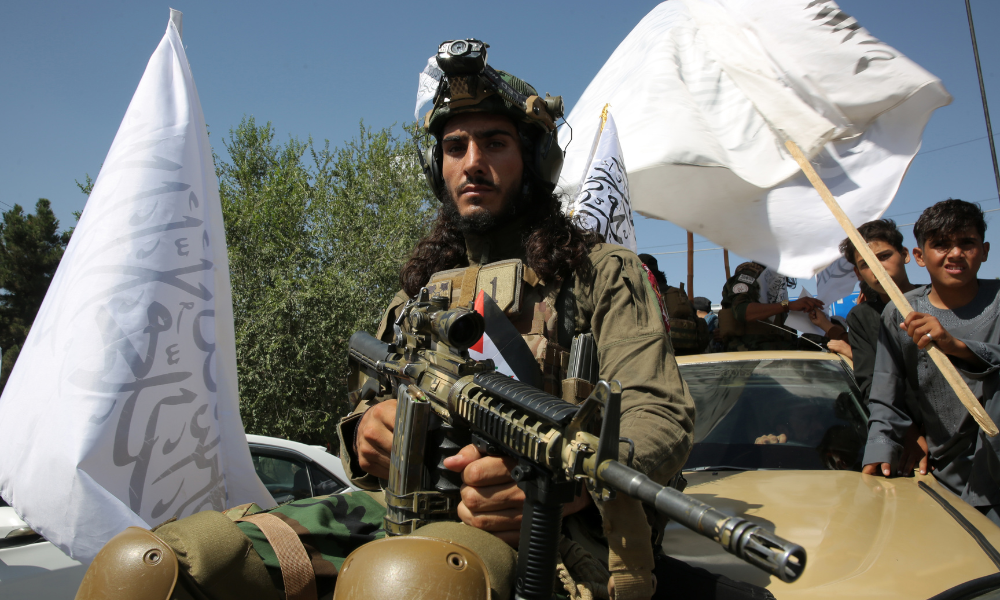
Through Rukhshana Media, the network Joya founded to give voice to the experiences of Afghan women, she and her colleagues asked Afghan women to describe their daily lives. "They say they remain shut inside their homes, within four walls," she says.
"Afghan women are fighting alone," she adds. "They are waging the war against their own gender with bare hands, because they have no means to defend themselves." "We have the impression that the whole world has abandoned us," she says, appealing for help and solidarity.
A book on the fate of Afghan women
A researcher at the University of Cambridge and a columnist for The Guardian, Joya published a book in July titled The Vanishing Girl of Kabul, in which she recounts her own life and the fate of Afghan women more broadly.
She describes how, in the 1990s, during the Taliban's first period in power (1996-2001), her mother presented her as a boy so that she could attend school.
At that time, girls were excluded from all levels of education. Following the 11 September attacks and the US military intervention, the Taliban were driven from power. "She turned me into a boy. She cut my hair and changed my name. I became Mohammad," she says.
In this way, Zahra Joya became the first woman in her family, and in her village, "to go to school, to go to university, and to become a journalist."
From the United Kingdom, she continues her work in collaboration with journalists who have remained in Afghanistan and who carry out their reporting in complete secrecy.
Source: AFP