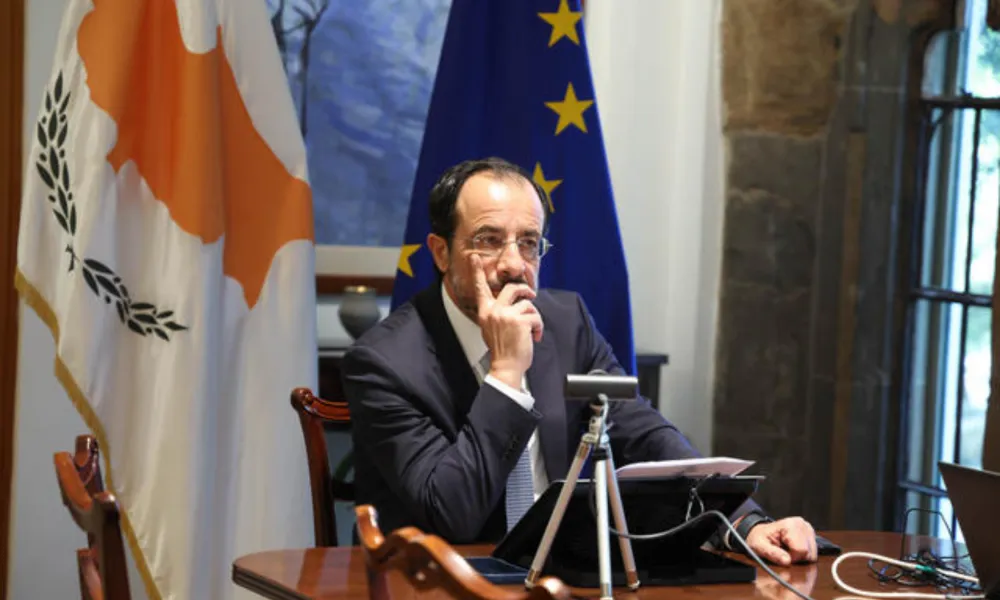

President Nikos Christodoulides has said that the return of the fenced-off city of Famagusta to its lawful residents could act as a catalyst for efforts to resolve the Cyprus issue, as he marked the 52nd anniversary of the second phase of the Turkish invasion.
In a written statement, the President said such a move would not only comply with relevant UN Security Council resolutions and international law, but could also provide tangible momentum to the latest diplomatic initiative led by UN Secretary-General António Guterres.
Tribute to victims of the invasion
Referring to the events of August 1974, Christodoulides said the wounds of the invasion remain open more than five decades later.
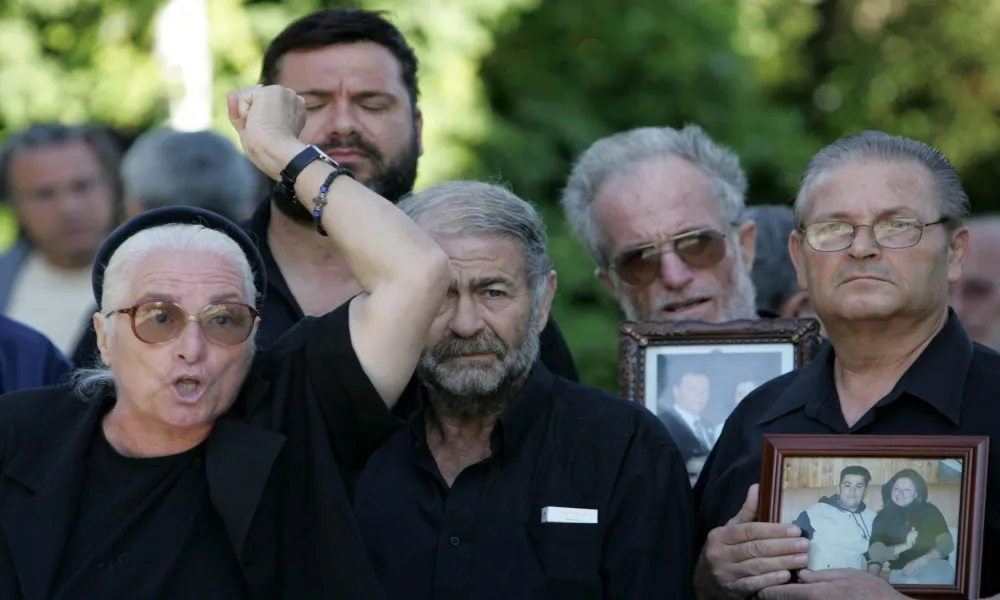
He paid tribute to those who died defending Cyprus, as well as to the families of the missing and the fallen, refugees and enclaved persons.
The President noted that while talks were under way in Geneva aimed at finding a peaceful solution, Turkey proceeded with the second phase of its military operation.
"Famagusta, Morphou and dozens of villages and communities were occupied. Thousands of people were violently uprooted from their homes and properties."
Status quo cannot be Cyprus' future
Christodoulides stressed that the current situation cannot be accepted as a permanent reality.
"Fifty-two years is a long time. The unacceptable status quo cannot be the future of our homeland and our people."
He reiterated that ending the occupation, achieving reunification and securing a viable and functional settlement remain Cyprus' highest national priorities.
According to the President, any solution must be based on:
- UN resolutions
- The agreed framework of negotiations
- The accumulated body of negotiations
- EU principles, values and law
"A new prospect" for negotiations
Christodoulides said that persistent efforts by the Greek Cypriot side have helped create conditions for a renewed initiative by the UN Secretary-General aimed at restarting negotiations from the point where they broke down in 2017.
He referred to the UN chief's recent visit to Cyprus and the decision to convene a new expanded meeting following further preparatory work.
According to the President, these developments:
"Create a new prospect that makes us cautiously optimistic."
He also argued that efforts to secure a stronger role for the European Union have produced results.
Christodoulides highlighted the appointment of the Executive Vice-President of the European Commission as the EU's envoy for Cyprus and the linking of progress in EU-Turkey relations to meaningful progress on the Cyprus issue.
He said both developments strengthen the UN Secretary-General's efforts.
Ready for 26 August meeting
The President also expressed readiness for his next meeting with Turkish Cypriot leader Ersin Tatar on 26 August.
"I am ready to discuss all issues in a positive and constructive manner, just as I did during our recent meetings in the presence of the UN Secretary-General."
While acknowledging the difficulties and positions that remain outside the agreed framework, Christodoulides said his government would continue to work with determination and "assertive realism" to create the conditions for meaningful negotiations to resume.
Famagusta could be a turning point
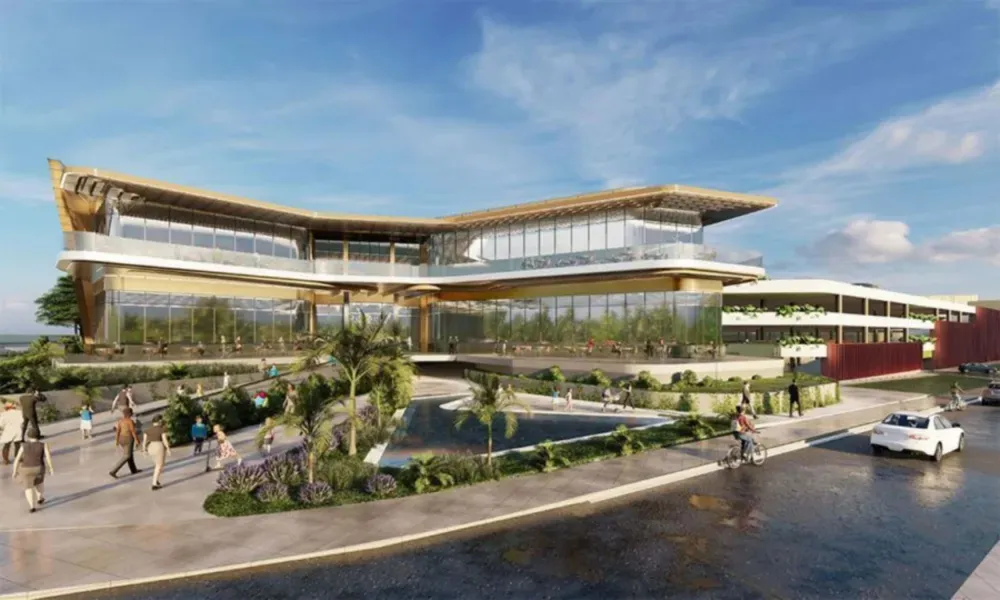
Christodoulides argued that returning the fenced-off city of Famagusta would represent more than compliance with international obligations.
"Today, the return of the fenced-off city of Famagusta to its lawful residents would, beyond compliance with the relevant UN Security Council resolutions and international legality, be an act that would function as a catalyst for the Secretary-General's efforts and create a genuine prospect for a mutually beneficial outcome."
The President concluded by calling for national unity and consensus in pursuit of ending the occupation, liberating and reunifying Cyprus.
Source: CNA