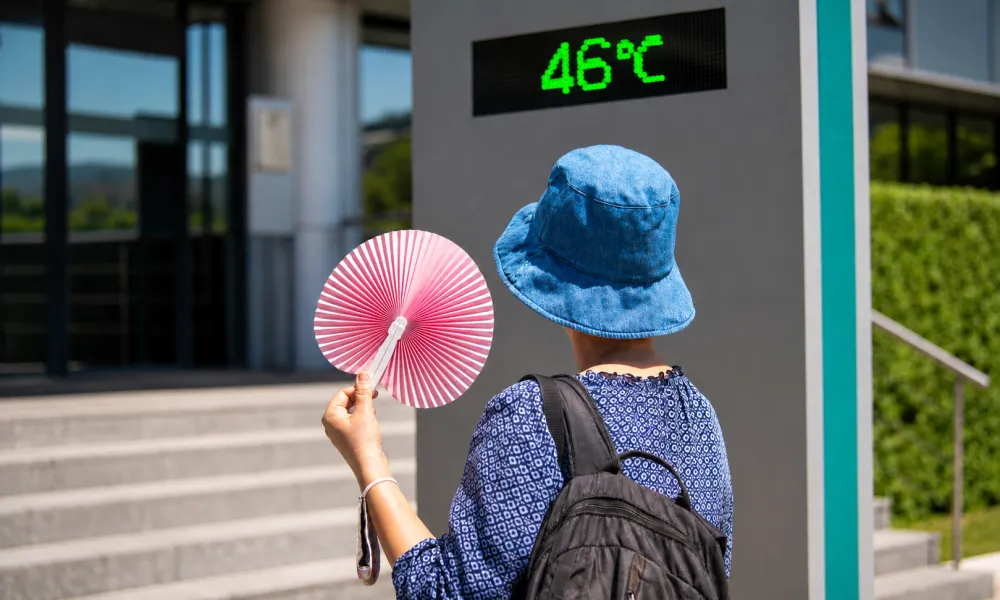

Cyprus is made for summer, but the heat can catch visitors off guard. For people arriving from cooler countries, a few hours outdoors can be enough to bring on dehydration, sunburn or exhaustion, especially during the first days of a trip, before the body has had time to adjust.
The risk is not limited to the beach. Sightseeing, walking through town, visiting an archaeological site, waiting outdoors or sitting in a hot car can all take a toll when temperatures rise. Inland areas can feel much harsher than the coast, and a light breeze can sometimes make the heat seem less serious than it is. By the time symptoms appear, the body may already be under strain.
Why some visitors struggle more than others
The effects of extreme heat are not the same for everyone. Older people, young children, pregnant women and those with heart, respiratory or other long-term health conditions can be more vulnerable. Medication, alcohol, lack of sleep and physical activity can also make it harder for the body to cope.
For tourists, the risk is often higher because the change is sudden. Someone may arrive in Cyprus from a much cooler climate and spend the next morning walking, swimming or sightseeing without drinking enough water. What begins as normal holiday activity can quickly lead to tiredness, dizziness, headache or nausea.
In high temperatures, the body works harder to stay cool. Sweating helps, but it also means losing fluids and salts. When these are not replaced, heat exhaustion can develop. If the person is not cooled down and rehydrated, the situation can become more serious and may require urgent medical help.
Hydration is not optional
Drinking enough water is one of the simplest ways to avoid problems in extreme heat, but it is also one of the easiest things to neglect. Visitors should carry water when leaving their hotel or apartment, especially when going to the beach, walking through town, visiting archaeological sites or travelling to more remote areas.
It is better to drink small amounts regularly than to wait until thirst becomes strong. Dark urine, headache, dry mouth, dizziness or unusual tiredness can all be signs that the body needs more fluids.
Alcohol should be treated with caution during the hottest hours of the day. It can worsen dehydration and make it harder to notice when the body is struggling. Very sugary drinks and too much caffeine are also not ideal substitutes for water. Lighter meals, fruit and food with a high water content can also help the body cope better with the heat.
Plan the day around the sun
In Cyprus, the timing of the day matters. Outdoor activities are usually easier in the early morning or later in the afternoon, when temperatures are lower and the sun is less intense. Sightseeing, walking, running, cycling or visiting open-air sites can become much harder in the middle of the day.
Visitors should avoid pushing through the heat simply because they are on holiday. Taking a break indoors, returning to accommodation for a few hours or choosing shaded areas can make the rest of the day safer and more enjoyable.
The sea can also give a false sense of protection. Swimming may cool the body for a while, but it does not prevent dehydration or sunburn. People spending several hours at the beach should still drink water, use shade and reapply sunscreen after swimming or sweating.
Sun protection needs more than sunscreen
Sunscreen is important, but it should not be the only protection against the Cyprus sun. A hat, sunglasses and loose, light-coloured clothing can make a real difference, especially for people who burn easily or are spending many hours outdoors.
Sunscreen should be applied before going outside and reapplied during the day, particularly after swimming, sweating or using a towel. Areas such as the ears, neck, shoulders, feet and the backs of the legs are often missed.
Children need extra care, as their skin is more sensitive and they may not realise when they are getting too hot. Babies and very young children should be kept out of strong direct sun as much as possible.
Know the warning signs
Heat-related illness often begins with symptoms that are easy to dismiss. A person may feel unusually tired, dizzy, thirsty, weak or nauseous. Headache, muscle cramps, heavy sweating and irritability can also be signs that the body is struggling.
The first step is to move the person to a cooler place, help them rest and give them water if they are able to drink. Cooling the skin with water, wet cloths or a fan can also help. They should avoid alcohol and further sun exposure.
Some symptoms are more serious. Confusion, fainting, very hot skin, rapid breathing, a fast heartbeat, seizures or loss of consciousness can point to heatstroke. This is a medical emergency and urgent help should be sought.
Cars, rooms and nights matter too
Heat can also become dangerous away from the beach or the street. Parked cars can heat up very quickly, even when the windows are slightly open. Children, older people and pets should never be left inside a vehicle, even for a short time.
Accommodation should also be kept as cool as possible. Closing curtains or blinds during the hottest hours can help, while ventilation or air conditioning may be needed later in the day and overnight. Poor sleep during a heatwave can make people feel weaker and less able to cope the next day.
Cars, hotel rooms and rented accommodation can also become uncomfortable during a heatwave, especially if they have been closed for several hours. Visitors should cool rooms before sleeping where possible, keep blinds or curtains closed during the hottest part of the day, and avoid leaving windows open when the air outside is hotter than indoors.
The bigger danger is inside vehicles. A parked car can become dangerously hot very quickly, even with a window slightly open. Children, older people and pets should never be left inside, not even for a few minutes.
Take extra care in the first days
The first days of a trip are often when visitors are most at risk. Many people want to make the most of their holiday immediately, but the body may not yet be used to the heat. Long walks, full beach days or packed sightseeing schedules can be too much too soon.
It is safer to build up gradually, drink more water than usual and avoid the strongest sun until the body has had time to adjust. Families should keep a close eye on children, while older travellers and people with health conditions should be more cautious during heat alerts.
Cyprus in summer is still best enjoyed outdoors, but extreme heat needs to be taken seriously. The basic rules are simple: drink water regularly, avoid the hottest hours, protect the skin, rest when needed and act early if symptoms appear.
Where to get help in Cyprus
Anyone showing signs of serious heat illness should not be left to “sleep it off” or continue with their day. If symptoms are severe, or if there is confusion, fainting, loss of consciousness, rapid breathing, a fast heartbeat or very hot skin, emergency help should be sought immediately.
In Cyprus, visitors can call 112 and ask for an ambulance. The number works across the European Union and is free from fixed and mobile phones. Cyprus’s State Health Services Organisation also lists the Ambulance Control Centre number as 22887171.
Visitors should not wait for symptoms to become severe before asking for help. Hotels, tour operators and local hosts can usually advise on nearby pharmacies, clinics or medical centres, while serious cases require emergency assistance through 112.
When heat alerts are in place, the advice is straightforward: avoid unnecessary movement during the hottest hours, limit physical activity and stay out of direct sun where possible. Sightseeing, beach visits and longer walks are safer when planned around the heat rather than forced through it.