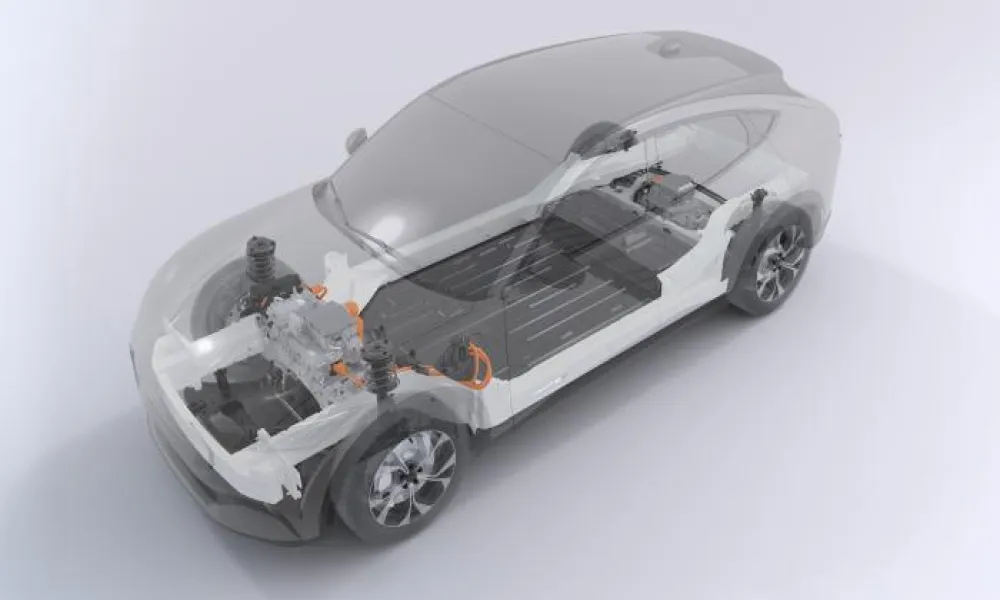



Ford has spent the past three years rehiring approximately 350 veteran engineers, internally nicknamed "gray beard" engineers, after concluding that its investment in artificial intelligence and automated quality control systems had not delivered the results the company expected. The specialists, drawn both from former Ford employees and from workers who had moved on to suppliers, are now tasked with identifying defects before components ever reach the assembly line, as well as training younger staff and reprogramming the AI tools that had fallen short.
Charles Poon, Ford's vice president of vehicle hardware engineering, told reporters on a press call last week that the company had misjudged what AI alone could achieve. "Mistakenly we thought that by just introducing artificial intelligence and ingesting the design requirements that we had, that that would produce a high-quality product," he said, adding that in prior years Ford had not paid sufficient attention to the institutional knowledge held by its most experienced engineers, many of whom had departed the company before that expertise could be captured or used to train its automated systems. Ford's chief operating officer, Kumar Galhotra, told Bloomberg that the company had been "relying more and more on automated quality systems" with disappointing results, and that bringing back technical specialists who actively hunt for failure points before parts reach the factory floor had proven necessary to turn the situation around.
The shift comes after a period in which Ford logged a record number of recalls in 2025 and has already issued 51 more so far this year, a tally significantly higher than its industry peers. The rehiring strategy appears to be paying off by the company's own metrics: Ford topped JD Power's Initial Quality Survey among mainstream brands for the first time in 16 years, a notable jump from tenth place a year earlier and ahead of competitors including Toyota and Honda. Three of its models, the F-150, Mustang and Super Duty, each ranked first in their respective categories. Ford chief executive Jim Farley said the improved quality controls were translating directly into lower warranty and recall costs, describing the change as contributing "literally hundreds and hundreds of millions of dollars of a tailwind for Ford on cost." Galhotra noted that recall and warranty costs remain a lagging indicator, with the company still expecting more than $1 billion in related expenses this year, but said those figures should steadily decline as newer vehicles built under the revised quality process reach the market.
Ford has stressed that the move does not amount to an abandonment of artificial intelligence within its operations. Rather, the veteran engineers are being used specifically to improve the AI systems themselves, ensuring the tools are trained on the accumulated expertise of staff who have worked through multiple product cycles, something the company says had been missing from its earlier automation push. "Artificial intelligence is a fantastic tool, but it's only as good as the information you use to train it," a Ford spokesperson said in a statement.
Sources: Bloomberg; Fortune; BBC